

Max Linder: Silent Cinema’s First International Star

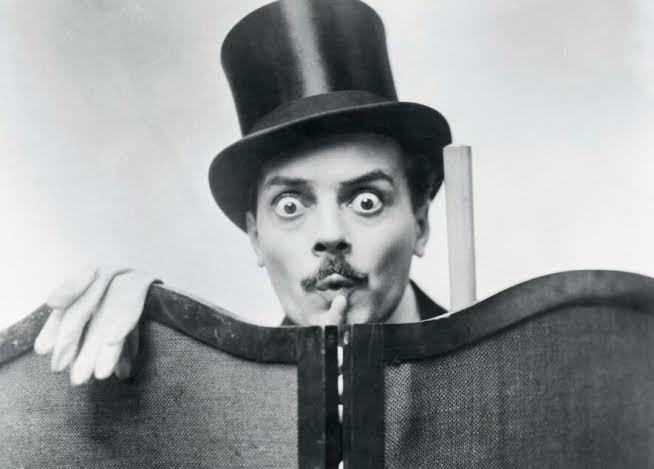
Max Linder (16 December 1883 – 1 November 1925) was a French actor, director, screenwriter, producer, and comedian of the silent film era. He is widely recognized as the first international movie star and created one of the first identifiable recurring characters in cinema.
Early Life and Education
Born Gabriel-Maximilien Leuvielle near Saint-Loubès in the Gironde region, Linder grew up in a wealthy family of vineyard owners. His parents, Jean and Suzanne, expected him to take over the family business, but he developed an early passion for theater. In 1899, he enrolled in the Conservatoire de Bordeaux, where he won first prize in comedy and second prize in tragedy. From 1901 to 1904, he worked as a contract player with the Bordeaux Théâtre des Arts, performing in plays by Molière, Pierre Corneille, and Alfred de Musset.
Career and Achievements
Linder adopted his stage name by 1905 and began appearing in short comedy films for Pathé Frères at the suggestion of director Louis Gasnier. His early roles were minor, but his breakthrough came in 1907 when he took over the comedic persona of René Gréhan’s character “Gontran”—a wealthy, dapper man-about-town. Linder transformed this into his signature “Max” character, appearing in more than one hundred short films. The character was young, handsome, and impeccably dressed in silk hat, morning coat, cravat, spats, and patent shoes, frequently finding himself in comedic trouble due to his attraction to beautiful women and the good life.
Linder’s first appearance as “Max” was in The Skater’s Debut (1907), filmed on the frozen Lake Daumesnil in Paris. Though initially unpopular, the character eventually resonated with audiences after André Deed left Pathé in 1908, making Linder the company’s leading comedic actor. By 1910, he had become the most popular film actor in the world, with devoted followings in Russia, where he was voted ahead of Asta Nielsen, and even admiration from Czar Nicholas II and playwright George Bernard Shaw.
In 1911, Linder began co-directing his films with René LePrince and writing the scripts himself. By 1912, he directed his films solo. This creative control elevated his work; Max, Victim of Quinine is considered by film critic Jean Mitry to be his masterpiece, depicting an intoxicated “Max” getting into fights with various dignitaries and ultimately being mistakenly escorted to their homes by police.
Linder enlisted at the outbreak of World War I, initially working as a dispatch driver and entertainer. He was injured several times during his service, experiences that reportedly had a devastating physical and mental effect on him. After the war, he moved to the United States but was unable to achieve success. He died on 1 November 1925 in Paris in what was reported as a suicide pact with his wife.
Additional Resources
More detailed information about Max Linder’s life and career is available through Wikipedia and other biographical archives devoted to silent film history.

