

Liposarcoma: The Rare Fat Tissue Cancer and Its Treatment Challenges

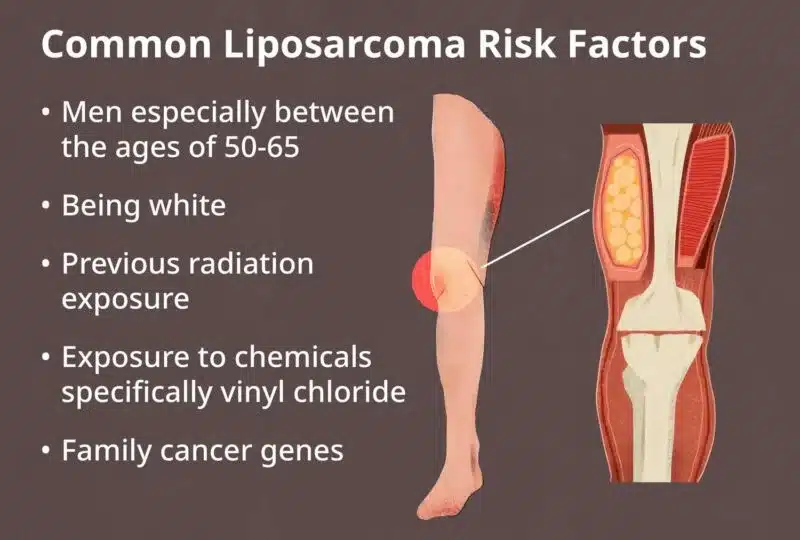
When 57-year-old Robert noticed his abdomen gradually enlarging over eight months—initially attributing it to “middle-age spread”—he finally sought evaluation when he could no longer see his feet standing upright. CT scan revealed shocking news: a 25cm retroperitoneal mass filling his entire left abdomen, pushing his kidney forward and displacing his bowel. Biopsy confirmed well-differentiated liposarcoma, a malignant tumor arising from fat cells. “The surgeon explained I’d need massive surgery removing the tumor, my left kidney, part of my colon—and even then, 50-60% chance it recurs within 5 years,” Robert recalled. “The tumor looked like fatty tissue on imaging—resembled normal fat—but it kept growing relentlessly, invading surrounding structures.” Liposarcoma is the most common soft-tissue sarcoma in adults, accounting for approximately 20% of cases and arising most often in the extremities and retroperitoneum. Liposarcoma accounts for approximately 20% of adult sarcomas and represents the most prevalent malignant soft tissue tumor in clinical practice. Most liposarcoma occurs in the extremities (39–41%) and retroperitoneum (21–22%). Understanding why these fat-based cancers—accounting for 1 in 5 soft tissue sarcomas—comprise four completely distinct diseases with different genetics, behavior, chemosensitivity, and prognosis reveals both diagnostic complexity and why “one-size-fits-all” treatment fails, demanding subtype-specific approaches. nihAmerican Society of Clinical Oncology
What Is Liposarcoma and Where Does It Arise?
Adipose (fat) tissue throughout body: subcutaneous fat beneath skin providing insulation, cushioning; visceral fat surrounding abdominal organs; retroperitoneal fat—deep fat behind peritoneum between spine and abdominal cavity; intramuscular fat within skeletal muscles; and mediastinal, paratesticular fat (around testicles), other locations. Adipocytes (fat cells) structure: large cells filled with single lipid droplet (triglycerides), thin rim cytoplasm pushed to cell periphery, small nucleus compressed against cell membrane. Function: energy storage, hormone production (leptin, adiponectin), insulation/cushioning. Liposarcoma: malignant transformation of primitive mesenchymal cells differentiating toward adipocytic lineage—produces tumors resembling fat tissue to varying degrees. Arises from adipocytic precursor cells (pre-adipocytes, lipoblasts)—not from mature adipocytes. It can differ depending on location, but it typically presents as a large asymptomatic mass, usually found incidentally on imaging. However, abdominal and retroperitoneal tumors can present with abdominal pain, distention, urinary obstruction, or weight loss. Location distribution: extremities (39-41%): thigh most common (20-25% all liposarcomas)—deep intramuscular masses. Upper arm, calf, forearm less common. Retroperitoneum (21-22%): deep abdominal cavity behind peritoneum—often massive (10-40cm) at diagnosis. Displaces/invades kidney, colon, pancreas, major vessels. Trunk (10-15%): chest wall, back, abdominal wall. Other sites (<10%): paratesticular region (spermatic cord), mediastinum (chest), head-neck. The retroperitoneal problem: retroperitoneal liposarcomas grow silently to enormous size—no symptoms until compress adjacent organs. Average 15-20cm at diagnosis versus extremity liposarcomas 8-12cm. Anatomic constraints prevent wide surgical margins—tumors pushed against kidneys, ureters, aorta, inferior vena cava. Wide resection would require sacrificing vital structures. American Society of Clinical Oncology
The Four Distinct Subtypes: Each a Different Disease
There are four types of liposarcoma: well-differentiated, dedifferentiated, myxoid and pleomorphic. Well-differentiated liposarcoma is the most common type of liposarcoma and has the best prognosis. Well-differentiated liposarcoma is the most common subtype and is associated with indolent behavior, local recurrence, and insensitivity to radiotherapy and chemotherapy. Dedifferentiated liposarcoma represents focal progression of well-differentiated disease into a more aggressive, metastasizing, and fatal malignancy. Incidence by subtype: well-differentiated 40-45%, dedifferentiated 20-25%, myxoid 15-20%, pleomorphic 5-10%, mixed <5%. Well-differentiated liposarcoma (WDLPS) / atypical lipomatous tumor (ALT): By definition, atypical lipomatous tumor occurs in the extremities, while well-differentiated liposarcoma may arise in the retroperitoneum, paratesticular region, mediastinum, or head and neck region. Terminology: extremity lesions called “atypical lipomatous tumor”—cannot metastasize (confined by fascial barriers). Retroperitoneal/trunk/deep locations called “well-differentiated liposarcoma”—locally aggressive. Histology: mature adipocytes with scattered atypical stromal cells, lipoblasts (primitive fat cells with scalloped nuclei, lipid vacuoles). Closely resembles benign lipoma—difficult distinguishing on imaging/gross appearance. Subtypes: adipocytic (most common—90% mature fat), sclerosing (collagenous stroma), inflammatory (lymphocytes, plasma cells), spindle cell (fascicular spindle cells). Behavior: extremely low-grade—slow-growing over years, virtually never metastasizes (<2% if retroperitoneal, 0% if extremity). Local recurrence major problem: extremity WDLPS/ALT 5-10% recurrence (usually due inadequate initial margins). Retroperitoneal WDLPS 50-90% recurrence despite complete resection (wide margins anatomically impossible). Transformation: 10-15% retroperitoneal WDLPS transform dedifferentiated liposarcoma over time—high-grade component emerges. Prognosis: Well-differentiated liposarcoma has a good prognosis, with a 5-year survival rate higher than 95%. Well-differentiated liposarcoma survival rates exceed 95% when completely resected. Well-differentiated liposarcoma demonstrated the most favorable prognosis, with 5-year and 10-year survival rates of 82% and 68%, respectively. Extremity: >95% disease-specific survival—cured with surgery alone. Retroperitoneal: 75-85% 5-year survival but death from local recurrence (bowel obstruction, ureteral obstruction, cachexia) rather than metastases. Chemotherapy/radiation ineffective—surgery only treatment. nih + 4
Dedifferentiated liposarcoma (DDLPS): Dedifferentiated liposarcoma represents focal progression of well-differentiated disease into a more aggressive, metastasizing, and fatal malignancy. Arises from pre-existing well-differentiated liposarcoma—areas transform high-grade non-lipogenic sarcoma. 90% arise de novo (diagnosed when dedifferentiated component already present). 10% arise in known well-differentiated liposarcoma during surveillance/after recurrence. Histology: biphasic—well-differentiated liposarcoma component abruptly transitioning to high-grade non-lipogenic sarcoma (resembles undifferentiated pleomorphic sarcoma, leiomyosarcoma, osteosarcoma). Dedifferentiated component: high cellularity, nuclear atypia, increased mitoses, necrosis. No lipoblasts. Homologous dedifferentiation (75%)—non-specific spindle cell sarcoma. Heterologous dedifferentiation (25%)—rhabdomyosarcoma, osteosarcoma, angiosarcoma differentiation. Locations: 75% retroperitoneal, 20% extremity/trunk, 5% other. Peak age 50-70 years. Behavior: aggressive—metastasizes 15-30% (versus <2% well-differentiated). Metastases lungs, liver, bone. Local recurrence 40-60% even with negative margins. Prognosis: Dedifferentiated liposarcoma has around a 70% 5-year survival rate if it is on the arm or leg and has not spread. If it recurs or is metastatic, the 5-year survival rate can drop to 20% to 52%. The 5-year survival rate is 20% for dedifferentiated retroperitoneal liposarcoma. Dedifferentiated liposarcoma survival rates range from 50% to 70%. Dedifferentiated liposarcoma demonstrated 5-year survival of 68%. Extremity DDLPS: 60-70% 5-year survival (better than retroperitoneal). Retroperitoneal DDLPS: 20-50% 5-year survival—high local recurrence, difficult surgical margins. Metastatic DDLPS: 20-30% 5-year survival. Chemotherapy: partially responsive (unlike well-differentiated)—doxorubicin, gemcitabine/docetaxel, trabectedin response rates 15-30%. Modest benefit. MD Anderson Cancer CenterClinical and Molecular Spectrum of Liposarcoma +2
Myxoid liposarcoma (MLPS): most chemosensitive, radiation-sensitive subtype. Unique translocation t(12;16) creating FUS-DDIT3 fusion gene (95% of cases). Variant t(12;22) creating EWSR1-DDIT3 fusion (5%). FUS-DDIT3 fusion protein drives oncogenesis—acts as aberrant transcription factor. Histology: uniform round-to-oval cells in abundant myxoid (mucoid) matrix, prominent “chicken-wire” capillary network (delicate branching vessels). Lipoblasts scattered throughout. Grade: low-grade (hypocellular, <5% round cells) versus high-grade/round cell (>5% densely cellular round cell areas—worse prognosis). Age: younger than other subtypes—peak 40-50 years (versus 60-70 well-differentiated/dedifferentiated/pleomorphic). Location: 75% lower extremity (thigh, calf), 15% trunk, 10% retroperitoneum (rare). Metastatic pattern unique: soft tissue > lungs. Metastasizes unusual sites—bone, soft tissue, retroperitoneum, epidural space more than lungs (opposite most sarcomas). Prognosis: Myxoid liposarcoma has around a 92% 5-year survival rate if the tumor is small and has not spread. Myxoid liposarcoma survival rates range from 70% to 80%. Low-grade myxoid: 85-92% 5-year survival. High-grade/round cell: 50-60% 5-year survival. Treatment: highly chemosensitive—responds dramatically trabectedin (binds FUS-DDIT3 fusion protein preventing DNA binding). Trabectedin response rates 50%+ myxoid liposarcoma (versus 10-20% other sarcomas). Highly radiosensitive—responds better radiation than other liposarcomas. nihnih
Pleomorphic liposarcoma (PLPS): Pleomorphic liposarcoma is the most aggressive type of liposarcoma. Rarest subtype (5-10%). High-grade by definition. Histology: pleomorphic (highly variable cell shapes/sizes), bizarre multinucleated giant cells, high mitotic rate, necrosis. Must contain pleomorphic lipoblasts (malignant fat cells with multiple scalloped nuclei, lipid vacuoles). Resembles undifferentiated pleomorphic sarcoma but has lipoblasts. Karyotypically complex—multiple chromosomal alterations, p53/RB loss. No specific translocation. Age: elderly—peak 60-75 years (oldest of liposarcoma subtypes). Location: 60% extremities (thigh, upper arm), 30% trunk/retroperitoneum, 10% other. Behavior: highly aggressive—rapid growth, early metastases. Metastasizes 30-50% (lungs primarily). Local recurrence 30-40%. Prognosis: Pleomorphic liposarcoma has a poor prognosis if it recurs or spreads to other parts of the body. Pleomorphic liposarcoma has an up to 80% chance of coming back and a poor to intermediate survival rate. Pleomorphic liposarcoma survival rates range from 30% to 50%. Five-year survival 30-50%—worst of liposarcoma subtypes. Metastatic disease: <20% 5-year survival. Treatment: standard sarcoma chemotherapy (doxorubicin, ifosfamide)—response rates 20-30%. No subtype-specific therapies. nih + 2
The Chromosome 12 Amplification: Molecular Driver Well-Differentiated/Dedifferentiated
Well-differentiated/dedifferentiated liposarcoma is characterized by amplification of 12q13-15 (including the oncogenes MDM2 and CDK4). Both of these subtypes are characterized by recurrent amplifications within chromosome 12, resulting in the overexpression of disease-driving genes that have been the focus of therapeutic targeting. Amplification of chromosome 12q13-15 results in amplification of MDM2, a defining feature of dedifferentiated liposarcoma. The genetics: normal cells have 2 copies MDM2 gene (chromosome 12q15), 2 copies CDK4 gene (12q14). Well-differentiated/dedifferentiated liposarcoma: chromosome 12q13-15 region amplified 10-100+ fold. Creates supernumerary ring chromosomes or giant marker chromosomes (“rods”) containing hundreds copies amplified genes. Visible under microscope—pathognomonic (defining) cytogenetic feature. These ring and rod structures contained amplified segments of the 12q chromosome. The finding of abnormal ring/rod chromosomal structures containing amplification of the 12q13-15 arm is a defining feature for well-differentiated and dedifferentiated liposarcoma. Well-differentiated liposarcoma displays amplification of genes on chromosome 12 in supernumerary ring or giant marker chromosomes. Key amplified genes: MDM2 (12q15)—nearly 100% well-differentiated/dedifferentiated liposarcomas. Encodes E3 ubiquitin ligase degrading p53 tumor suppressor. Overexpressed MDM2 protein inactivates p53, blocks apoptosis, promotes cell survival. CDK4 (12q14)—90%+ amplified. Cyclin-dependent kinase 4 drives cell cycle progression, proliferation. HMGA2 (12q14.3)—high-mobility group protein promoting proliferation, metastasis. Other genes: CPM, YEATS4, SAS/TSPAN31. Diagnostic utility: MDM2 amplification detected by: fluorescence in situ hybridization (FISH)—shows multiple MDM2 signals per cell, immunohistochemistry—MDM2 protein overexpression (nuclear staining). Essential distinguishing well-differentiated liposarcoma from benign lipoma (lipomas lack MDM2 amplification). MDM2 binds to the transcriptional activation domain of p53, blocking transcription. MDM2 functions as a ubiquitin ligase, facilitating proteasomal degradation of p53. MDM2 is the most frequent amplification in well-differentiated/dedifferentiated liposarcoma (close to 100%) however CDK4 is shown to be amplified in over 90% of cases. Therapeutic targeting: MDM2 inhibitors (nutlins, idasanutlin, milademetan)—block MDM2-p53 interaction, restore p53 function, induce apoptosis. CDK4/6 inhibitors (palbociclib, abemaciclib)—block CDK4, arrest cell cycle. Rationale: since nearly 100% well-differentiated/dedifferentiated liposarcomas have MDM2/CDK4 amplification, these proteins are perfect therapeutic targets. nih + 4
Symptoms: The Painless Growing Mass
It typically presents as a large asymptomatic mass, usually found incidentally on imaging. However, abdominal and retroperitoneal tumors can present with abdominal pain, distention, urinary obstruction, or weight loss. Extremity liposarcomas: painless, slowly enlarging deep mass—noticed incidentally by patient or during physical exam unrelated reason. Thigh, upper arm most common. Months to years growth before evaluation. Initially dismissed “fatty lump,” “lipoma,” “muscle knot.” Firm consistency (versus soft lipoma), deep location (subfascial—beneath muscle covering), size >5cm (larger masses more concerning), and growth over time (benign lipomas stable; liposarcomas progressively enlarge). Pain uncommon unless: presses nerve (sciatic nerve→leg pain/weakness), rapid growth (dedifferentiated, pleomorphic subtypes), pathologic fracture (if erodes adjacent bone—rare). Retroperitoneal liposarcomas: vague, nonspecific symptoms—often massive (15-40cm) before symptomatic. Abdominal distension/fullness (most common), early satiety (stomach compression), abdominal/flank pain (dull, aching), weight loss (appetite suppression, tumor cachexia), urinary symptoms (ureteral compression→hydronephrosis, bladder compression→frequency), bowel changes (constipation if compresses colon), and lower extremity swelling (vena cava compression→edema). Often discovered incidentally imaging for other reasons (trauma CT, kidney stone workup). Other locations: paratesticular liposarcoma—painless scrotal/inguinal mass. Mediastinal—chest pain, dyspnea, cough. Trunk—palpable mass chest/back wall. Constitutional symptoms rare well-differentiated/myxoid (indolent). More common dedifferentiated/pleomorphic (aggressive)—fatigue, fever, night sweats. American Society of Clinical Oncology
Diagnosis: Imaging to Molecular Testing
Any deep mass >5cm, enlarging, or concerning features requires evaluation. Imaging: MRI (preferred extremity/trunk masses): gold standard—defines size, depth, relationship neurovascular structures, heterogeneity. T1-weighted: high signal (bright—fat content) in well-differentiated, variable signal dedifferentiated/pleomorphic. T2-weighted: variable depending myxoid content. Contrast enhancement—minimal well-differentiated, moderate-intense dedifferentiated/pleomorphic. CT scan (preferred retroperitoneal/chest): fat-density mass (-50 to -150 Hounsfield units) with thick septa, nodular areas (non-fatty components—concerning dedifferentiation). Retroperitoneal liposarcomas: displaces kidney anteriorly, encases vessels, invades adjacent organs. Core needle biopsy (diagnostic): performed interventional radiology (image-guided) or surgeon. Adequate tissue histology, immunohistochemistry, molecular testing. Biopsy tract placement critical—must be in line with definitive resection (poorly placed biopsy compromises limb salvage). Never excisional biopsy (“shell out” mass)—violates planes, seeds tumor. Pathology evaluation: histology—cell morphology, differentiation, grade. Lipoblasts (malignant fat cells)—diagnostic liposarcoma. Atypical stromal cells, myxoid matrix (myxoid subtype), pleomorphic giant cells (pleomorphic subtype). Immunohistochemistry: MDM2, CDK4 positive (well-differentiated/dedifferentiated), S100 positive (fat differentiation). Molecular/cytogenetic testing: FISH—MDM2 amplification (well-differentiated/dedifferentiated diagnostic), RT-PCR—FUS-DDIT3 fusion (myxoid liposarcoma pathognomonic). Karyotype—ring/rod chromosomes (well-differentiated/dedifferentiated), complex karyotype (pleomorphic). Grading: French Federation (FNCLCC) system—grades 1-3 based differentiation, mitotic count, necrosis. Well-differentiated: grade 1 (by definition). Myxoid: grade 1-2 (low-grade) or grade 3 (high-grade/round cell >5% round cells). Dedifferentiated: grade 2-3 (by definition—high-grade non-lipogenic component). Pleomorphic: grade 3 (by definition—high-grade).
Treatment Challenges: Subtype-Specific Approaches Required
Surgery cornerstone treatment all subtypes but adjuvant therapies vary dramatically by subtype: Well-differentiated liposarcoma/atypical lipomatous tumor: Well-differentiated liposarcoma does not respond to systemic chemotherapy and is primarily managed with local therapy, including multiple resections and debulking procedures whenever clinically feasible. Surgery alone—wide resection with negative margins. Extremity well-differentiated/ALT: wide excision with 1-2cm margins. Limb-sparing surgery 95%+. Amputation virtually never necessary. Local recurrence 5-10% if negative margins achieved. Recurrences typically re-resectable. Radiation ineffective—well-differentiated liposarcoma radioresistant. Chemotherapy ineffective—no response standard agents. Prognosis excellent—>95% disease-specific survival. Retroperitoneal well-differentiated: challenging—wide margins anatomically impossible. En bloc resection (removes tumor + adherent organs—kidney, colon, spleen if involved). Local recurrence 50-90% despite R0 (negative margin) resection. Multiple recurrences over lifetime common. Each recurrence requires repeat surgery. Death from local progression (bowel obstruction, ureteral obstruction, cachexia) rather than metastases. Radiation: controversial retroperitoneal—preoperative radiation (50-54 Gy) may improve local control but increased morbidity (bowel injury, kidney damage). Some centers use, others avoid. Chemotherapy: no benefit—well-differentiated chemoresistant. PubMed Central
Dedifferentiated liposarcoma: Unlike well-differentiated liposarcoma, dedifferentiated liposarcoma can respond to chemotherapy drugs and drug combinations, including doxorubicin (or doxorubicin in combination with ifosfamide), gemcitabine (or gemcitabine in combination with docetaxel), trabectedin, eribulin, and pazopanib. However, the response rates are generally low with short duration. Surgery: wide resection with negative margins essential. Extremity: limb-sparing 80-90%. Amputation if involves major neurovascular bundle. Retroperitoneal: en bloc resection + organ removal. Radiation: adjuvant radiation standard high-grade extremity dedifferentiated—reduces local recurrence 30%→15%. Retroperitoneal: preoperative radiation (50-54 Gy) or postoperative (60-66 Gy)—benefit unclear. Chemotherapy: partially responsive (unlike well-differentiated). Neoadjuvant (pre-operative): anthracycline/ifosfamide 3-4 cycles—shrinks tumor, improves resectability. Response rates 25-35%. Adjuvant (post-operative high-risk): anthracycline ± ifosfamide—modest survival benefit 5-10%. Metastatic disease: first-line doxorubicin ± ifosfamide (response 25-30%, median survival 12-15 months). Second-line options: gemcitabine/docetaxel (response 15-20%), trabectedin (response 10-15%), eribulin (response 10-15%), pazopanib (tyrosine kinase inhibitor—progression-free survival benefit 3-4 months). Targeted therapies (investigational): MDM2 inhibitors are a rational treatment strategy in dedifferentiated liposarcoma. The MANTRA phase III registration trial compared milademetan, which inhibits the MDM2-p53 interaction, against trabectedin in 175 patients with dedifferentiated liposarcoma, but failed to meet its primary progression-free survival endpoint. MDM2 inhibition caused an initial surge in p53 levels, which further drives expression of MDM2. MDM2 inhibitors (milademetan, brigimadlin, BI-907828): block MDM2-p53 interaction, restore p53 function. Early trials showed partial responses 10-20% but phase III milademetan trial failed primary endpoint—no survival benefit versus trabectedin. Resistance mechanisms: MDM2 super-amplification (some cells 100+ copies resistant), feedback loop (p53 restoration drives more MDM2 expression). CDK4/6 inhibitors (palbociclib, abemaciclib): block CDK4, arrest cell cycle. Single-agent modest activity. Combination MDM2 inhibitor + CDK4/6 inhibitor: synergistic—ongoing trials. Prognosis: extremity 60-70% 5-year survival, retroperitoneal 20-50% (location-dependent). Metastatic 20-30%. PubMed Central + 2
Myxoid liposarcoma: Myxoid liposarcoma is particularly radiosensitive. Myxoid/round cell liposarcomas and pleomorphic liposarcomas respond well to cytotoxic therapies and myxoid/round cell liposarcoma is particularly radiosensitive. Trabectedin, which prevents FUS-DDIT3 binding to DNA, is effective in myxoid/round cell liposarcoma. Surgery: wide resection standard. Radiation: highly radiosensitive—neoadjuvant radiation (50 Gy) produces dramatic tumor shrinkage 50-70% cases. Pathologic complete response (no viable tumor at resection) 15-20%—better than any other sarcoma. Allows smaller resections, improved limb preservation. Chemotherapy: highly chemosensitive compared other liposarcomas. Trabectedin: binds FUS-DDIT3 fusion protein preventing DNA binding. Response rates 50%+ myxoid liposarcoma (versus <20% other sarcomas). Median progression-free survival 5-6 months versus 2-3 months other agents. Standard second-line therapy metastatic myxoid. Doxorubicin-based: first-line metastatic—response rates 30-40%. Prognosis: low-grade myxoid 85-92% 5-year survival. High-grade/round cell 50-60%. nih
Pleomorphic liposarcoma: surgery—wide resection with radiation adjuvant. Chemotherapy: standard sarcoma regimens (doxorubicin, ifosfamide)—response 20-30%. No subtype-specific agents. Prognosis: 30-50% 5-year survival—worst liposarcoma subtype.
Surveillance and Recurrence
Post-treatment surveillance: Years 1-2: chest CT every 3-4 months (lung metastasis screening—dedifferentiated/pleomorphic), MRI/CT primary site every 3-6 months (local recurrence—all subtypes), physical exam every 3 months. Years 3-5: chest imaging every 6 months (if dedifferentiated/pleomorphic), primary site imaging every 6-12 months, exam every 6 months. Beyond 5 years: well-differentiated extremity can discontinue if no recurrence. Retroperitoneal well-differentiated requires lifelong annual surveillance—late recurrences 10-15+ years common. Dedifferentiated/pleomorphic annual surveillance lifelong. Recurrence management: local recurrence—re-resection if feasible. Metastases—systemic chemotherapy, consider metastasectomy if oligometastatic (few resectable lung nodules).
Frequently Asked Questions
Q1: I have a 7cm painless lump in my thigh that’s been slowly growing for two years. Could this be liposarcoma or just a benign lipoma?
Size, depth, growth warrant urgent evaluation—7cm deep thigh mass growing over 2 years concerning for liposarcoma until proven otherwise. Distinguishing lipoma versus liposarcoma clinically impossible—both can be painless, soft/firm, slow-growing. Red flags suggesting malignancy: size >5cm (larger = higher suspicion; most lipomas <5cm, most liposarcomas >5cm at diagnosis), deep location (intramuscular versus superficial subcutaneous), growth over time (lipomas typically stable years; liposarcomas progressively enlarge), and firm consistency, fixed to underlying structures. Your case has multiple red flags: 7cm (large), thigh (typically deep intramuscular location), 2-year growth history (progressive enlargement). Action: see orthopedic surgeon or surgical oncologist immediately. Request MRI thigh without delay. MRI distinguishes lipoma from liposarcoma: Benign lipoma: homogeneous fat signal (bright T1, dark T2 fat suppression), thin (<2mm) capsule, no thick septa, no nodular areas, no enhancement after contrast. Liposarcoma: heterogeneous signal (mixed fat/non-fat), thick (>2mm) septa, nodular components, enhancement (suggests cellular non-fatty areas—concerning well-differentiated with early dedifferentiation or myxoid/pleomorphic). If MRI suspicious → core needle biopsy before any surgery. Biopsy provides: histologic diagnosis (lipoma versus well-differentiated versus dedifferentiated versus myxoid versus pleomorphic), molecular testing (MDM2 amplification for well-differentiated/dedifferentiated, FUS-DDIT3 fusion for myxoid), grade (informs treatment planning). Never excisional biopsy (“remove entire lump”)—if liposarcoma, violates tissue planes, seeds tumor, compromises definitive surgery requiring wider re-resection or amputation. Realistic perspective: most 5-7cm deep thigh masses in adults are liposarcomas not lipomas—lipomas that large uncommon. But if well-differentiated liposarcoma diagnosed, prognosis excellent—>95% cure with wide surgical resection. Early diagnosis, proper initial surgery critical—prevents recurrences, preserves limb function.
Q2: My retroperitoneal well-differentiated liposarcoma was completely removed with negative margins. Why did my surgeon say 50-60% chance it recurs?
Retroperitoneal liposarcoma presents unique biological and anatomic challenges explaining high recurrence despite complete resection—fundamentally different behavior than extremity disease. The biology problem: retroperitoneal well-differentiated liposarcoma grows as expansile mass compressing surrounding structures creating false “pseudocapsule.” Tumor extends microscopic fingerlets beyond pseudocapsule into adjacent fat, organ capsules. Surgical resection removes visible tumor achieving “negative microscopic margins” (no tumor cells at inked edge resection specimen). But retroperitoneum filled with fat—tumor cells extend into surrounding retroperitoneal fat beyond resection margin. Residual microscopic disease left behind → eventual regrowth. The anatomy problem: achieving 1-2cm margins—standard extremity sarcomas—anatomically impossible retroperitoneum without sacrificing vital structures. Wide margins would require removing kidneys (both), ureters, major vessels (aorta, vena cava), pancreas, entire colon—obviously impossible. Surgeons perform “compartmental resection”—removes tumor en bloc with adherent organs (kidney, colon, spleen if involved) achieving R0 (negative microscopic margins). But margins often close (<5mm)—tumor pushed against structures rather than wide cuff normal tissue surrounding. Recurrence data: retroperitoneal well-differentiated liposarcoma local recurrence rates 50-90% even after R0 resection with organ removal. Median time to first recurrence 2-3 years (range 6 months to 15+ years). Multiple recurrences common—second recurrence 60-70%, third recurrence 50-60%. Each recurrence larger, more adherent, more difficult resecting. Your specific prognosis: 50-60% local recurrence risk realistic estimate first 5 years. If recurs → repeat surgery if feasible (usually is). Second, third, fourth resections not uncommon. Well-differentiated virtually never metastasizes (<2%)—death from local progression (bowel obstruction, ureteral obstruction leading renal failure, cachexia, infection) not distant metastases. 10-15% risk transformation dedifferentiated liposarcoma during surveillance—high-grade component emerges, then metastatic potential increases. Overall survival: retroperitoneal well-differentiated 10-year survival 60-70% despite multiple local recurrences. Quality life between recurrences often excellent—return work, normal activities. Surveillance: abdominal CT or MRI every 6 months first 3 years, annually thereafter lifelong. Detect recurrences early when smaller, more resectable. Radiation therapy: controversial—preoperative radiation may reduce recurrence 10-15% but increased complications (bowel injury, fistulas, kidney damage). Discuss risks/benefits with sarcoma team. Some centers use, others don’t. Realistic expectations: retroperitoneal well-differentiated liposarcoma chronic disease requiring lifelong monitoring, likely multiple surgeries. Not curable in traditional sense but manageable with good long-term survival. Plan long-term relationship with sarcoma center.
Q3: What exactly is MDM2 amplification and why haven’t MDM2 inhibitor drugs worked in clinical trials?
MDM2 amplification is the molecular hallmark defining well-differentiated/dedifferentiated liposarcoma—present nearly 100% of cases, drives tumor growth, represents obvious therapeutic target. Yet MDM2 inhibitor trials largely failed. Why? The biology: normal cells have 2 copies MDM2 gene (one maternal chromosome 12, one paternal). MDM2 protein regulates p53 tumor suppressor via negative feedback loop: p53 activates MDM2 transcription, MDM2 protein binds p53 blocking its function, MDM2 ubiquitinates p53 marking it for proteasomal degradation. System maintains p53 at low levels during normal conditions. Cellular stress (DNA damage, hypoxia) disrupts MDM2-p53 interaction → p53 accumulates, activates apoptosis/cell cycle arrest. Well-differentiated/dedifferentiated liposarcoma: chromosome 12q13-15 amplified creating supernumerary ring/rod chromosomes containing 10-100+ copies MDM2 gene (plus CDK4, HMGA2). Results: massive MDM2 overexpression (50-100 fold normal levels), MDM2 protein overwhelms p53—binds it, degrades it constantly, p53 unable functioning even under stress, cells escape apoptosis, proliferate uncontrollably. Therapeutic rationale: MDM2 inhibitors (small molecules binding MDM2 pocket that normally binds p53) displace p53 from MDM2, free p53 translocates nucleus, activates apoptosis genes, tumor cells die. Perfect logic—restore tumor suppressor function inactivated by amplified oncogene. Why trials failed: Although the mechanism of resistance has not been determined, preclinical studies show that MDM2 is amplified on neochromosomes, which are segregated between daughter cells in a non-Mendelian fashion, leading to heterogeneity in MDM2 copy number within a tumor. Cells with very high copy numbers were primarily resistant to MDM2 inhibition. Further, MDM2 inhibition caused an initial surge in p53 levels, which further drives expression of MDM2. Resistance mechanisms: Intratumoral heterogeneity: single tumor contains cells with varying MDM2 copy numbers (10 copies some cells, 100+ copies others). Cells with super-high amplification (>50 copies) resistant—produce so much MDM2 protein that inhibitor cannot effectively block it. These resistant clones survive, expand during treatment. Feedback amplification: MDM2 inhibition → p53 levels surge → p53 is transcription factor activating MDM2 promoter → even MORE MDM2 produced → overcomes inhibitor. Vicious cycle. Acquired resistance: initial responses seen some patients (tumor shrinkage 10-30%) but short-lived (weeks to months). Tumors develop additional MDM2 amplification, alternative survival pathways. Clinical trial results: milademetan (MDM2 inhibitor) phase III MANTRA trial versus trabectedin in metastatic dedifferentiated—failed primary endpoint (no progression-free survival benefit). Other MDM2 inhibitors (idasanutlin, siremadlin, brigimadlin) phase I/II trials showing modest activity 10-20% response rates, short duration. Current strategies overcoming resistance: combination MDM2 + CDK4/6 inhibitors (dual targeting amplified oncogenes—synergistic preclinical), patient selection using MDM2 copy number (treat only low-moderate amplification, exclude super-amplified resistant cases), and novel MDM2 degraders (PROTACs—induce MDM2 degradation rather than just blocking function). Hope remains: MDM2 remains rational target—present 100% cases, drives biology. But simple competitive inhibition insufficient. Need smarter approaches—combinations, degraders, biomarker-selected patients. nih
Q4: I was diagnosed with myxoid liposarcoma of my thigh. Why is my oncologist recommending radiation before surgery when I thought surgery comes first?
Your oncologist’s recommendation reflects myxoid liposarcoma’s unique biology—this subtype dramatically radiosensitive compared other sarcomas, preoperative radiation produces tumor shrinkage facilitating smaller, less morbid surgery. The myxoid radiosensitivity: Myxoid/round cell liposarcomas and pleomorphic liposarcomas respond well to cytotoxic therapies and myxoid/round cell liposarcoma is particularly radiosensitive. Myxoid liposarcoma responds radiation better than virtually any solid tumor. Mechanisms: FUS-DDIT3 fusion protein (defining molecular alteration myxoid) impairs DNA repair, radiation causes DNA double-strand breaks, FUS-DDIT3-expressing cells cannot repair damage efficiently, undergo apoptosis. Rich vascularity (“chicken-wire” capillary network)—radiation damages vessels, causes vascular collapse, tumor ischemia. Low-grade histology (hypocellular, abundant myxoid matrix)—radiation penetrates well, reaches all tumor cells. Clinical data: neoadjuvant radiation myxoid liposarcoma produces: radiographic response (tumor shrinkage) 60-80% of cases—average size reduction 30-40%, pathologic response (tumor necrosis/fibrosis at resection) 70-90%—replacing viable tumor with scar tissue, and pathologic complete response (no viable tumor remaining at surgery) 10-20%—highest rate any sarcoma subtype. Benefits preoperative radiation: smaller surgical resection—radiation shrinks tumor, allows removing less normal tissue, preserving muscle, neurovascular structures. Improved limb function post-operatively. Reduced positive margin risk—smaller tumor easier achieving negative margins. Lower local recurrence—radiation sterilizes microscopic disease beyond visible tumor. Treatment sequence: Weeks 0-5: external beam radiation 50 Gy (25 fractions over 5 weeks). Outpatient, Monday-Friday. Week 6-8: rest period (allows acute radiation inflammation subsiding, skin healing). Week 9-10: surgery—wide resection tumor with 1-2cm margins. Tumor often firm, fibrotic (radiation effect)—easier dissecting off neurovascular structures than pre-radiation. Pathology examines resection specimen, grades response (percentage viable tumor versus necrosis/fibrosis). <90% viable tumor = good response, <10% viable = pathologic near-complete response, 0% viable = complete response (rare but happens 10-15% myxoid). Weeks 12-20: recovery, rehabilitation. If high-grade features (>5% round cells) or close/positive margins, may add chemotherapy (doxorubicin-based). Side effects preoperative radiation: acute (during treatment)—skin irritation/darkening (like sunburn), fatigue. Late (months-years)—fibrosis (tissue thickening, less pliable), edema (lymphatic damage→swelling), stiffness (radiation to joint→reduced range motion). Generally less severe than postoperative radiation (smaller field, lower dose 50 Gy versus 60-66 Gy postop). Alternative approach (surgery-first): some centers perform upfront surgery if tumor small (<5cm), superficial, easily resectable with negative margins. Reserve radiation for close/positive margins post-operatively (60-66 Gy). But most myxoid liposarcomas 8-15cm at diagnosis—benefit from downsizing preoperatively. Your oncologist’s recommendation sound—preoperative radiation standard of care myxoid liposarcoma at most expert sarcoma centers. Prognosis: low-grade myxoid treated with radiation + surgery—85-92% 5-year survival, <10% local recurrence, excellent functional outcomes. nih
Q5: How does trabectedin specifically target myxoid liposarcoma when it’s just a general chemotherapy drug?
Trabectedin exhibits remarkable selectivity myxoid liposarcoma—response rates 50-60% (versus 10-20% other sarcomas)—due to unique mechanism targeting FUS-DDIT3 fusion protein driving this subtype. The biology: Trabectedin, which prevents FUS-DDIT3 binding to DNA, is effective in myxoid/round cell liposarcoma. Treatment of myxoid liposarcoma with trabectedin is currently in late stage clinical trials. Trabectedin is marine-derived alkaloid (originally isolated sea squirt Ecteinascidia turbinata, now synthetically produced). General mechanism: binds DNA minor groove, interferes transcription-coupled nucleotide excision repair, causes DNA damage, apoptosis. Active multiple cancer types at high doses. Myxoid-specific mechanism (lower doses): trabectedin binds DNA regions where FUS-DDIT3 fusion protein binds, physically blocks FUS-DDIT3 from accessing its DNA target sites, FUS-DDIT3 cannot activate oncogenic transcription program, and tumor cells undergo differentiation (mature into fat cells), senescence (permanent growth arrest), apoptosis. Essentially: trabectedin disrupts fusion oncoprotein function rather than just causing generic DNA damage. Why other sarcomas don’t respond well: lack FUS-DDIT3 or analogous fusion—trabectedin’s selective mechanism doesn’t apply. At doses used myxoid liposarcoma, trabectedin causes minimal DNA damage other tumors—insufficient killing. Clinical data myxoid liposarcoma: trabectedin 1.3-1.5 mg/m² 24-hour continuous infusion every 3 weeks, response rates 50-60% advanced myxoid (versus 10-15% leiomyosarcoma, undifferentiated pleomorphic sarcoma), median progression-free survival 5-6 months (versus 2-3 months other agents myxoid), and durable responses—some patients stable disease 1-2+ years. FDA approval: trabectedin approved advanced liposarcoma, leiomyosarcoma (2015) based on improved progression-free survival versus dacarbazine. Particularly beneficial myxoid subtype. Usage: second-line therapy metastatic myxoid after progression on doxorubicin, or first-line if elderly/frail (better tolerated than doxorubicin/ifosfamide). Side effects: bone marrow suppression (neutropenia, thrombocytopenia, anemia)—dose-limiting, requires growth factor support, transaminase elevation (liver enzymes)—monitoring required, dose reductions common, and fatigue, nausea. Generally better tolerated than doxorubicin/ifosfamide—less cardiotoxicity, nephrotoxicity. Future directions: trabectedin + immunotherapy combinations (PD-1 inhibitors)—synergistic preclinical myxoid, trabectedin + targeted agents (CDK4 inhibitors, MDM2 inhibitors if develop dedifferentiation), and maintenance trabectedin after surgical resection high-risk myxoid—prevent recurrence. Trabectedin represents precision medicine success story sarcomas—drug targeting subtype-specific molecular driver producing dramatic selective responses. Model for future histology-tailored approaches. nihnih
Disclaimer
This article adapts publicly available information from reputable cancer research organizations and medical databases. This content is for informational and educational purposes only and does not constitute medical advice. ObserverVoice.com is a news and information platform — not a healthcare provider. Decisions about liposarcoma screening, diagnosis, and treatment should be made in consultation with qualified physicians, surgical oncologists, and sarcoma specialists who can evaluate your individual symptoms, imaging findings, tumor subtype, molecular features, and health status. If you have a growing soft tissue mass, especially deep or >5cm, please consult with your healthcare team promptly.
References
- MD Anderson Cancer Center. Understanding liposarcoma: Types, symptoms, prognosis and treatment. https://www.mdanderson.org/cancerwise/understanding-liposarcoma–types–symptoms–prognosis—treatment.html
- PMC. Clinical and Molecular Spectrum of Liposarcoma. https://www.ncbi.nlm.nih.gov/pmc/articles/PMC5759315/
- PMC. Liposarcoma: multimodality management and future targeted therapies. https://pmc.ncbi.nlm.nih.gov/articles/PMC5010855/
- PMC. Treatment of De-Differentiated Liposarcoma in the Era of Immunotherapy. https://www.ncbi.nlm.nih.gov/pmc/articles/PMC10253599/
- StatPearls. Liposarcoma. https://www.ncbi.nlm.nih.gov/books/NBK538265/
Observer Voice is the one stop site for National, International news, Sports, Editor’s Choice, Art/culture contents, Quotes and much more. We also cover historical contents. Historical contents includes World History, Indian History, and what happened today. The website also covers Entertainment across the India and World.

