

India’s 250 Million Barrel Oil Reserve: Current Holdings and Longevity

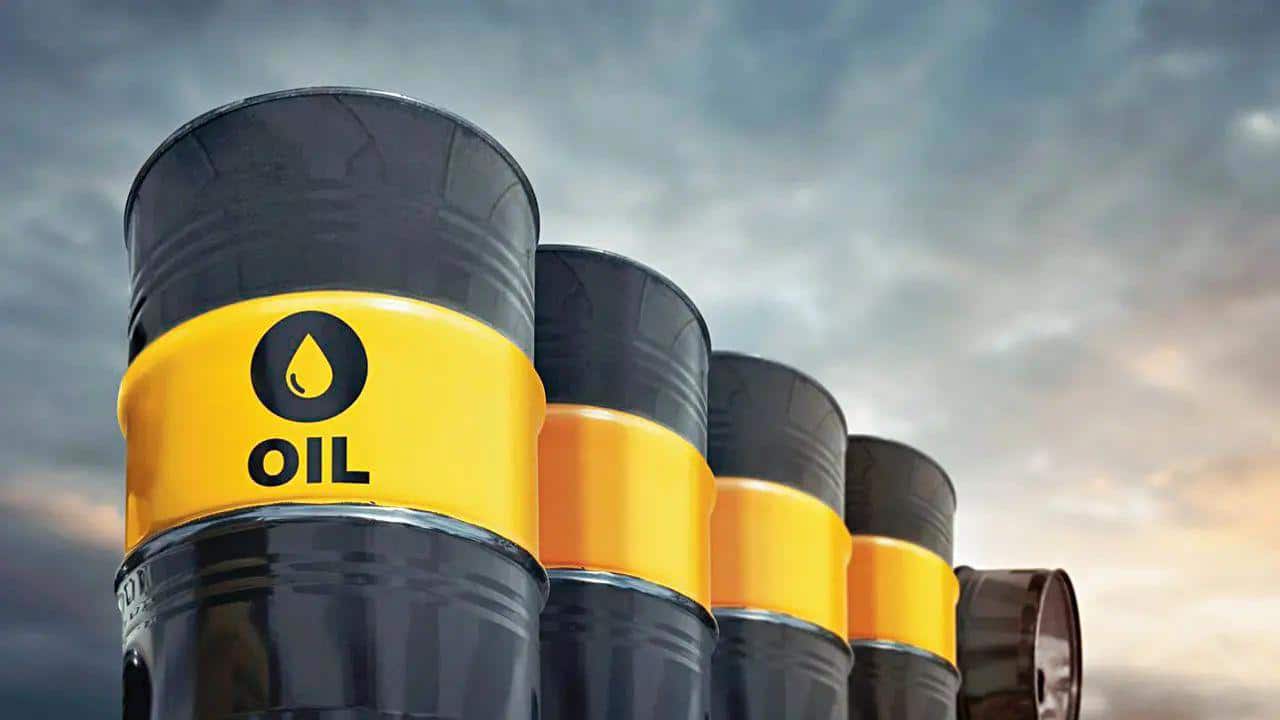
As tensions in the Middle East escalate, India is reassessing its energy security amid concerns about supply adequacy. A recent government report reveals that the country possesses over 250 million barrels of crude oil and petroleum products, sufficient to meet demand for nearly two months. With reserves strategically located across various storage facilities, India is well-prepared to navigate potential disruptions in its energy supply chain.
Robust Energy Reserves
India’s energy reserves, estimated at approximately 4,000 crore liters, provide coverage for seven to eight weeks. These reserves are distributed across multiple storage points, including underground strategic caverns in Mangalore, Padur, and Visakhapatnam. Additionally, above-ground storage tanks, pipelines, and offshore vessels contribute to the country’s energy distribution network. The report counters claims that India only has 25 days of reserves, emphasizing that the broader supply chain significantly extends the nation’s buffer against potential shortages.
The report also highlights a significant shift in India’s crude oil procurement strategy. The country now sources oil from 40 different nations, a notable increase from 27 countries a decade ago. This diversification is described as being “anchored in national interest,” allowing India to mitigate risks associated with reliance on a limited number of suppliers.
Diverse Import Routes
While the Strait of Hormuz is a critical oil transit route, the report indicates that only about 40% of India’s crude imports pass through this narrow waterway. The majority, approximately 60%, is sourced from alternative routes, including suppliers from Russia, West Africa, the Americas, and Central Asia. The document asserts that India’s energy security is no longer solely dependent on conditions in a single maritime chokepoint. Instead, any disruption in one corridor would lead to a “managed sourcing adjustment” rather than a full-blown supply emergency.
As of February 2026, Russia remains India’s largest crude oil supplier. Despite geopolitical pressures, India has continued its purchases while adhering to G7 price cap regulations. The report emphasizes that India has never required permission from other nations to procure Russian oil, and it acknowledges a recent 30-day waiver from the US Treasury that facilitates ongoing purchases.
Domestic Initiatives and Refining Capacity
On the domestic front, India’s ethanol blending program has significantly reduced its dependence on crude oil imports. The initiative, which aims for a 20% blending rate, is projected to replace approximately 44 million barrels of crude oil annually. Furthermore, India’s refining capacity has expanded to 258 million metric tonnes per annum, surpassing domestic consumption levels estimated between 210 and 230 million metric tonnes.
This increased refining capacity has enabled Indian refiners to supply fuel to Europe, particularly during periods of sanctions on Russian crude that created shortages in that market. The report underscores the flexibility of Indian refiners, stating they do not rely on a fixed slate from a single origin, allowing them to adapt to changing market conditions.
Stable Fuel Prices Amid Challenges
Data from the Petroleum Planning and Analysis Cell indicates that retail fuel prices in India have remained relatively stable over the past four years. Between February 2022 and February 2026, petrol prices in Delhi decreased by 0.67%, contrasting sharply with increases of 55% in Pakistan and 22% in Germany during the same period. To maintain these stable prices, public sector oil companies have absorbed significant financial losses, amounting to Rs 24,500 crore on petrol and diesel and approximately Rs 40,000 crore on LPG.
The report concludes that decisions in the energy sector are guided by considerations of affordability, availability, and sustainability. Notably, it highlights that no fuel pump outlet in India has run dry in the past twelve years, reflecting the resilience and reliability of the country’s energy supply system.
Observer Voice is the one stop site for National, International news, Sports, Editor’s Choice, Art/culture contents, Quotes and much more. We also cover historical contents. Historical contents includes World History, Indian History, and what happened today. The website also covers Entertainment across the India and World.
Follow Us on Twitter, Instagram, Facebook, & LinkedIn

