

India-US Trade Agreement: The Role of Oil in Shaping Global Power Dynamics

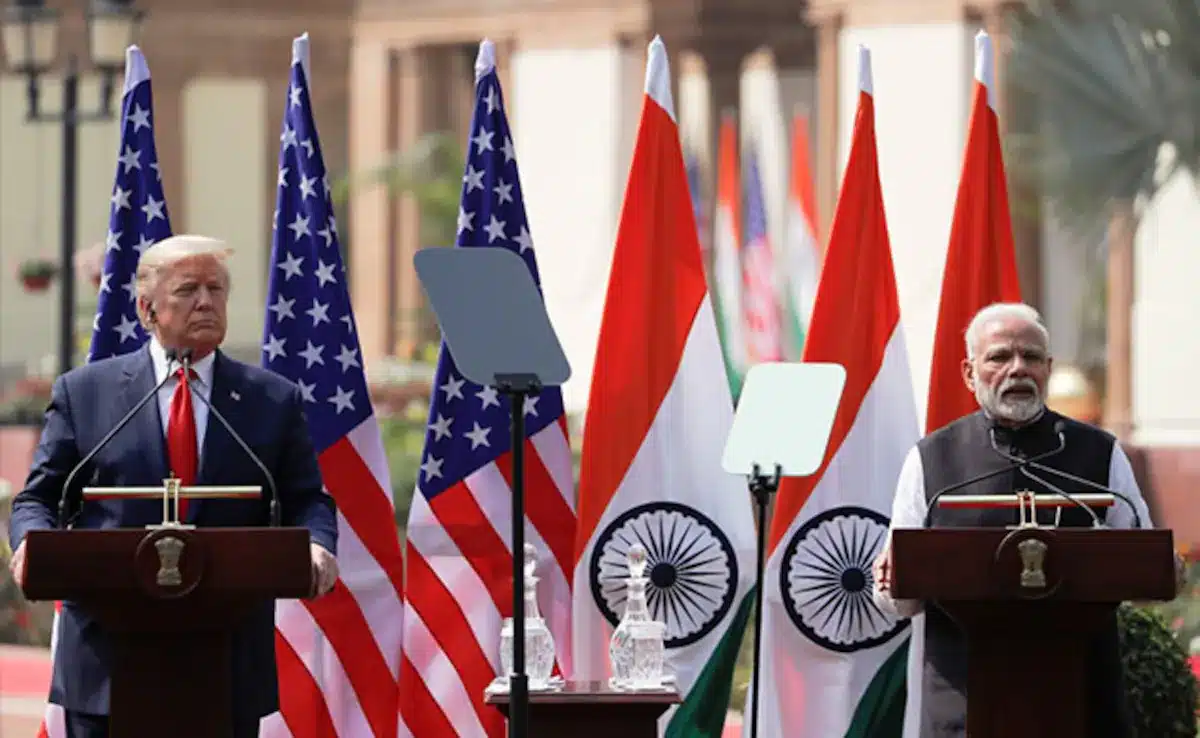
When India and the United States unveiled a significant trade agreement this week after extensive negotiations, the focus was primarily on tariffs. However, a more complex issue looms beneath the surface: the geopolitics of oil. U.S. President Donald Trump asserted that India would cease purchasing Russian crude oil in favor of American supplies, a claim that India has not officially confirmed. This situation underscores the intricate relationship between energy security and international diplomacy, highlighting how oil influences trade agreements and geopolitical alliances.
The Trade Deal That Reset Ties
The recent trade agreement between the U.S. and India has been hailed as a pivotal moment in their bilateral relations. President Trump and Prime Minister Narendra Modi announced a reduction in tariffs on Indian goods entering the U.S. from 50% to 18%. While the deal is still pending formal signing and final details, it marks the end of a prolonged trade stalemate and aims to restore predictability in trade relations.
Rudra Kumar Pandey, a partner at Shardul Amarchand Mangaldas & Co, emphasized that this tariff reduction signifies a de-escalation of trade tensions and reflects a shared strategic intent. The agreement is expected to bolster India’s export competitiveness, particularly as the U.S. recalibrates its supply chains away from China. Indian exporters have already shown resilience by diversifying markets, with exports to Spain increasing significantly. The U.S. remains India’s largest trading partner, and the tariff cut is anticipated to enhance India’s competitiveness in labor-intensive sectors such as textiles, leather, and seafood.
The agreement also includes a commitment from India to import $500 billion worth of American goods, focusing on energy, advanced technology, and capital goods. This move is expected to strengthen India’s manufacturing capabilities while supporting its energy diversification goals.
Where Oil Enters the Picture
While tariffs were the primary focus of the trade deal, Trump’s comments hinted at a broader geopolitical arrangement involving oil. He claimed that India would stop buying Russian oil and increase purchases from the U.S. and possibly Venezuela. However, India has not made any official announcement regarding a halt in Russian oil imports, and Russian officials have expressed uncertainty about any such commitment from New Delhi.
The Indian Ministry of External Affairs has reiterated the importance of energy security, emphasizing that Indian refiners have not received directives to cease Russian oil purchases. Any changes in sourcing would require time due to existing contracts. This situation illustrates the complex interplay between energy needs and diplomatic relations, as India seeks to balance its energy security with geopolitical pressures.
Why Oil Remains a Strategic Commodity
Oil is not just another commodity; it is essential for transportation, industrial production, and overall economic stability. For rapidly growing economies like India, access to affordable and reliable oil supplies is crucial for maintaining growth and managing inflation, especially amid global geopolitical uncertainties.
For the U.S., oil serves as a powerful tool of foreign policy. Sanctions and trade agreements often dictate where countries source their energy. This dynamic has been evident in the U.S. sanctions on Russian oil and its efforts to limit adversaries’ access to global energy markets. Consequently, energy sourcing decisions are increasingly intertwined with diplomatic strategies, making oil a significant factor in trade negotiations and international relations.
India’s Reliance on Russian Crude
In the wake of intensified Western sanctions against Russia following the Ukraine conflict, India has significantly increased its imports of discounted Russian crude oil. This trend has made Russian oil particularly appealing to India’s refining sector, which is adept at processing such grades. However, recent data indicates a decline in Russian oil imports, with its share of India’s crude imports dropping from 37.9% to 33.7% year-on-year.
Despite this decline, analysts caution against viewing the trade deal as an immediate shift away from Russian oil. Current contracts and economic considerations suggest that Russian imports will remain stable in the near term, with any reductions likely offset by increased imports from other regions.
Can the U.S. and Venezuela Replace Russian Oil?
Trump’s assertion that India would replace Russian oil with supplies from the U.S. and Venezuela raises questions about feasibility. While U.S. crude exports to India are on the rise, Venezuelan oil presents logistical challenges. A recent report suggested that India could save significantly by substituting some Russian oil imports with Venezuelan heavy oil, provided it is available at a competitive price.
However, the ability to process Venezuelan oil is limited, with only a few Indian refineries capable of handling large quantities. This indicates that any transition in sourcing will likely be gradual and influenced by commercial viability rather than solely diplomatic considerations.
The India-U.S. trade agreement highlights the intricate relationship between energy security and international diplomacy, with oil remaining a critical factor in shaping trade dynamics and geopolitical strategies.
Observer Voice is the one stop site for National, International news, Sports, Editor’s Choice, Art/culture contents, Quotes and much more. We also cover historical contents. Historical contents includes World History, Indian History, and what happened today. The website also covers Entertainment across the India and World.

