

India Pursues 2.5 Million Metric Tons of Urea as Middle East Supply Faces Disruptions

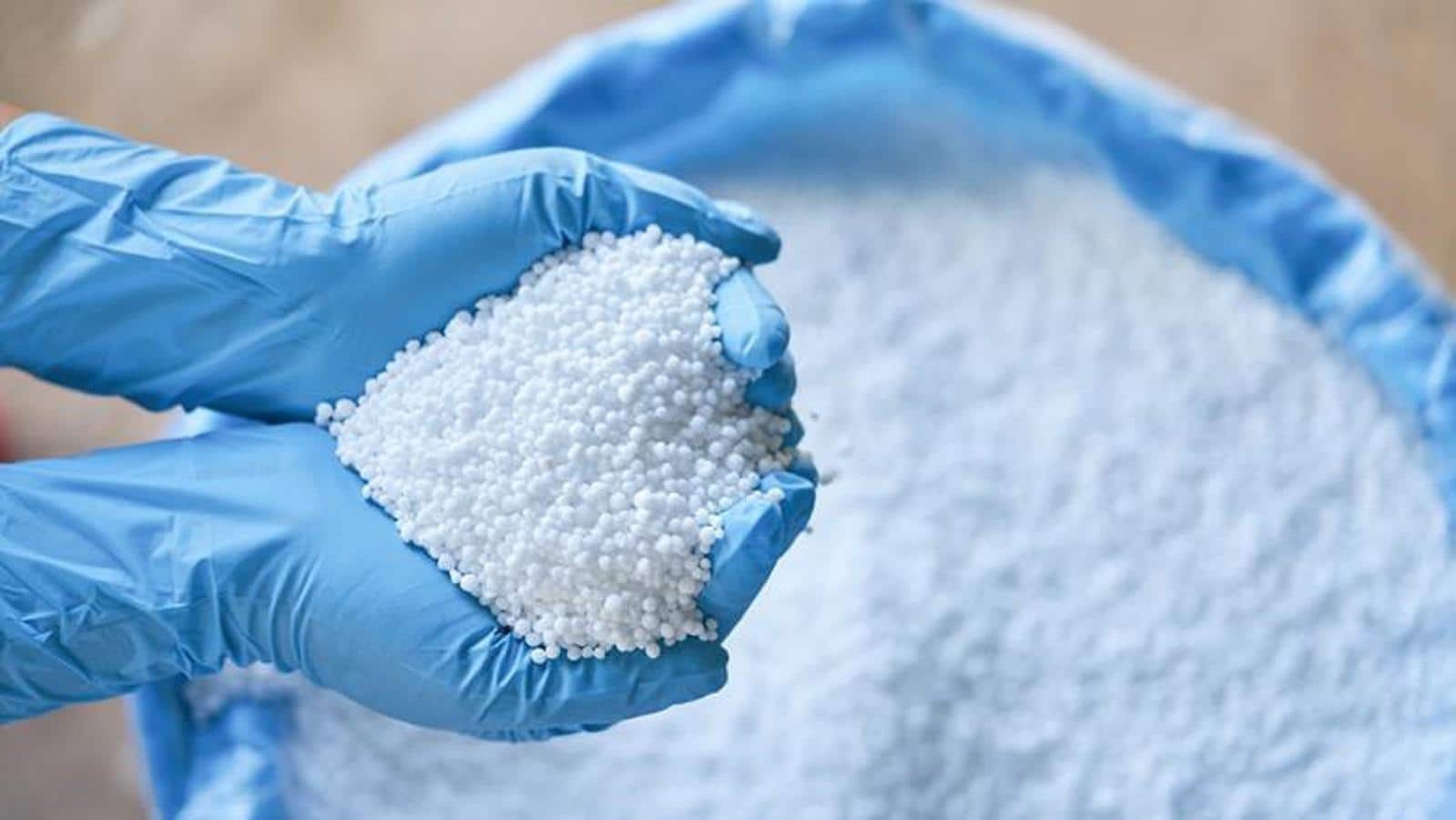
India is intensifying its efforts to secure fertiliser supplies amid global disruptions caused by ongoing conflicts in the Middle East. The country plans to import 2.5 million metric tonnes of urea to stabilize domestic availability, particularly as the key sowing season approaches. With the US-Israeli tensions affecting global energy flows and shipping routes, India, the world’s largest urea importer, is taking proactive measures to prevent any shortfalls in this critical agricultural input.
Import Plans Amid Global Tensions
In response to the tightening conditions in the fertiliser market, Indian Potash Ltd (IPL) has announced a tender for the procurement of 2.5 million metric tonnes of urea. The plan includes importing 1.5 million tonnes through the west coast and 1 million tonnes via the east coast. The shipments are expected to be loaded by June 14, with bids for the tender due by April 15. This move is crucial as India relies heavily on global tenders to meet its urea demand, especially ahead of the monsoon season, which begins in June. Urea is vital for the cultivation of key crops such as rice, maize, and soybeans, making these imports essential for maintaining agricultural productivity.
Impact on Domestic Production
Agriculture plays a significant role in India’s economy, and the country also imports other essential fertilisers, including diammonium phosphate (DAP) and muriate of potash. The Middle East is a major supplier, providing about half of India’s DAP and urea imports. Saudi Arabia is the largest supplier of DAP, while Oman leads in urea supplies. To further support domestic production, the Indian government has decided to increase gas supply to urea manufacturing plants to approximately 90% of their average consumption, up from the current 70-75%. This increase is based on available inventories and scheduled arrivals of liquefied natural gas (LNG).
Government Measures to Enhance Supply
The Indian government is also enhancing gas allocation to industrial and commercial users, including city gas distribution networks, by an additional 10% starting Monday. Officials have advised all industrial consumers, including fertiliser plants, to submit their additional gas requirements on a spot basis to ensure timely arrangements by gas marketing companies. This proactive approach aims to mitigate the impact of reduced domestic urea production, which fell to 18 lakh tonnes in March from an average of 24 lakh tonnes. However, with improved LNG availability and more frequent spot purchases, production is expected to recover.
Looking Ahead: Ensuring Agricultural Stability
As India navigates these challenges, the focus remains on ensuring a stable supply of fertilisers to support its agricultural sector. The government’s strategic imports and increased gas supply to manufacturing plants are critical steps in safeguarding food production during a time of global uncertainty. With the monsoon season approaching, timely access to urea and other fertilisers will be essential for farmers across the country, ensuring that India can maintain its agricultural output and food security.
Observer Voice is the one stop site for National, International news, Sports, Editor’s Choice, Art/culture contents, Quotes and much more. We also cover historical contents. Historical contents includes World History, Indian History, and what happened today. The website also covers Entertainment across the India and World.
Follow Us on Twitter, Instagram, Facebook, & LinkedIn

