

India and UK Collaborate to Overcome Trade Pact Challenges Amid CETA Rollout Delays

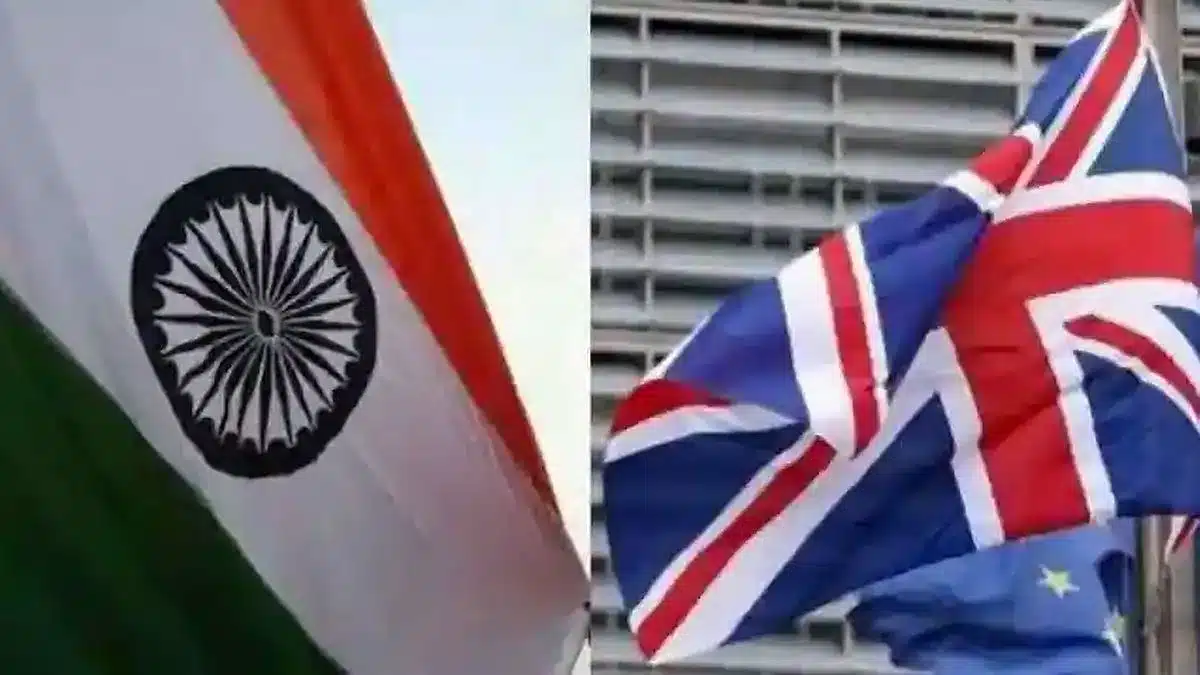
India and the UK held discussions on Tuesday regarding the Comprehensive Economic and Trade Agreement (CETA), focusing on the key issues that are hindering its implementation. The meeting took place between Commerce Secretary Rajesh Agarwal and UK Permanent Secretary Amanda Brooks, who reviewed the progress of the trade pact signed in July 2022. Agarwal emphasized the need for regular engagement to address the sticking points and explore new pathways for the agreement.
Key Issues in CETA Implementation
The primary concerns delaying the CETA’s implementation include Britain’s steel safeguard measure and the Carbon Border Adjustment Mechanism (CBAM). Agarwal noted the extensive discussions with Brooks, aiming to resolve these issues. Government sources indicated that India might reconsider some duty concessions on British products, such as Scotch whisky, if these matters remain unresolved.
Starting July 1, 2026, the UK plans to limit tariff-free steel imports, reducing overall quota volumes by 60% compared to the current safeguard mechanism. Any imports exceeding this quota will incur a 50% tariff. This new measure will apply to steel products that can also be manufactured in the UK, further tightening previous import quotas.
Impact of Carbon Border Adjustment Mechanism
The UK government announced in December 2023 that it would implement its CBAM from 2027. Commerce and Industry Minister Piyush Goyal also engaged in talks with UK Secretary of State for Business and Trade Peter Kyle to strengthen bilateral economic ties. Goyal described the discussions as productive, focusing on advancing shared business priorities.
According to the economic think tank GTRI, India’s exports worth USD 775 million to the UK could be affected by the UK’s carbon tax on products like iron, steel, aluminum, fertilizer, and cement starting in 2027. The UK will become the second major economy to adopt a CBAM, which will initially cover sectors including iron, steel, and cement. The tax could range from 14% to 24% of the import value once free allowances under the Emission Trading System (ETS) are phased out.
India’s exports of iron and steel to the UK were valued at USD 893.4 million in 2025-26, representing a significant portion of the country’s total merchandise exports to Britain, which amounted to USD 13.4 billion. Under the CETA, India has committed to reducing duties on UK whisky and gin from 150% to 75% initially, with a further reduction to 40% in the tenth year of the agreement.
Observer Voice is the one stop site for National, International news, Sports, Editor’s Choice, Art/culture contents, Quotes and much more. We also cover historical contents. Historical contents includes World History, Indian History, and what happened today. The website also covers Entertainment across the India and World.

