

Head and Neck Cancers: Oral, Throat, and Laryngeal Cancer Risk Factors

When 56-year-old Robert, a lifelong smoker and heavy drinker, noticed a persistent sore on his tongue that wouldn’t heal after three months, he dismissed it as a canker sore. By the time he sought medical attention, biopsy revealed oral cancer that had already spread to lymph nodes. “I knew smoking caused lung cancer,” Robert said later. “I had no idea it could cause mouth cancer too—especially combined with drinking.” Alcohol and tobacco use (including smokeless tobacco, sometimes called “chewing tobacco” or “snuff”) are the two most important risk factors for head and neck cancers, especially cancers of the oral cavity, oropharynx, hypopharynx, and larynx. At least 75 percent of head and neck cancers are caused by tobacco and alcohol use. Those who both smoke AND drink heavily are 30 times more likely to develop head and neck cancer than those who don’t smoke and drink Headandneck. Understanding head and neck cancer risk factors—particularly the deadly synergy between tobacco and alcohol, plus the emerging HPV epidemic—reveals why prevention through lifestyle modification and vaccination proves critical.
The Tobacco-Alcohol Synergy: 1+1=30
Tobacco and alcohol don’t just add to cancer risk—they multiply it dramatically. In 2019, lip and oral cavity cancers were found to have the highest incidence rates, with notably higher rates observed in males compared to females. Our findings revealed that smoking posed a significantly greater risk for laryngeal and lip and oral cavity cancers, whereas alcohol consumption was more strongly linked to nasopharyngeal cancer. Our investigation underscores that smoking and alcohol consumption are leading risk factors for cancers of the head and neck, although their effects vary depending on the specific type of cancer PubMed Central. Tobacco smoke contains over 70 known carcinogens—benzene, formaldehyde, arsenic, polonium-210—that directly damage DNA in cells lining mouth, throat, and larynx. Each puff deposits these toxins, creating chronic inflammation and cellular damage that accumulates over decades. Alcohol acts as solvent enhancing carcinogen penetration through mucosal barriers. Ethanol metabolism produces acetaldehyde—itself classified as carcinogenic—which directly damages DNA and proteins while impairing DNA repair mechanisms. Current smoking (OR = 11.6, 95% CI = 6.7-20.1), drinking more than five glasses of alcohol per day (OR = 2.7, 95% CI = 1.2-4.7), and oral infection with High-risk HPV (OR = 2.4, 95% CI = 1.1-5.0) were significantly associated with head and neck cancer. The combined exposure to tobacco and alcohol produced a significant synergistic effect on the incidence of head and neck cancer PubMed Central. The 30-fold increased risk for combined heavy smoking and drinking reflects this biological amplification—tobacco damages cells while alcohol ensures maximum carcinogen absorption and creates additional DNA damage through acetaldehyde.
The Specific Cancers: Location Matters
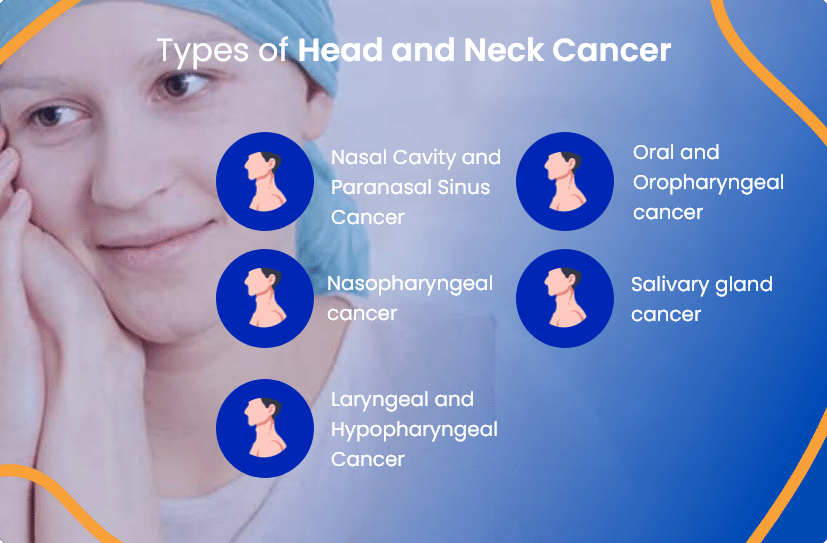
Head and neck cancers encompass multiple distinct sites, each with slightly different risk factor profiles. Oral cavity cancer (tongue, floor of mouth, gums, hard palate, inner cheeks) associates most strongly with tobacco—especially smokeless tobacco directly contacting oral tissues—and alcohol. Visual inspection can detect oral lesions early. Oropharyngeal cancer (base of tongue, tonsils, soft palate, back of throat) increasingly driven by HPV infection, though tobacco and alcohol remain important co-factors. Laryngeal cancer (voice box) shows strongest association with tobacco smoking—direct smoke exposure causes maximal damage. The strongest risk factors by tumor site were smoking for laryngeal cancer, alcohol for cancer of the oral cavity, and HPV16 for pharyngeal cancer. For pharyngeal cancer, risk increased with increasing alcohol consumption and smoking among HPV16-seronegative subjects but not among HPV16-seropositive subjects PubMed. Laryngeal cancer incidence has declined as smoking rates fell. Hypopharyngeal cancer (lower throat) rare but aggressive, strongly linked to combined tobacco-alcohol exposure. Nasopharyngeal cancer (upper throat behind nose) unique—associated with Epstein-Barr virus infection, preserved foods containing nitrosamines, and genetic factors, but less strongly linked to tobacco-alcohol than other head-neck sites.
The HPV Revolution: A New Epidemic
Infection with cancer-causing types of human papillomavirus (HPV), especially HPV-16 & 18, is a risk factor for some types of head and neck cancers. HPV causes roughly 60-70% of oropharyngeal cancers including the tonsils or the base of the tongue. HPV is spread through “intimate contact” which can include any type of sex (oral, penile/vaginal, anal). HPV is thought to cause 60% to 70% of oropharyngeal cancers in the United States. It usually takes years after being infected with HPV for cancers to develop in the oropharynx HeadandneckCDC. The rise in HPV-related oropharyngeal cancer—particularly among younger non-smoking adults—represents a major epidemiological shift. Oral HPV transmission occurs through oral-genital or oral-anal sexual contact. Most sexually active people acquire oral HPV at some point; 10% of men and 3.6% of women have detectable oral HPV. In most cases, immune system clears infection within 1-2 years. Persistent infection—inability to clear virus—leads to integration of HPV DNA into host cell chromosomes, driving malignant transformation years or decades later. HPV-positive oropharyngeal cancers behave differently from tobacco-alcohol-related cancers: affecting younger patients (40s-50s vs 60s-70s), presenting at more advanced stages (often discovered when neck lymph nodes enlarge), but paradoxically responding better to treatment with superior survival rates. Oral infection with High-risk HPV increased the risk of head and neck cancer in never smokers and nondrinkers. The effects of tobacco, alcohol, and of the combined exposure of tobacco and alcohol were substantially lower in HPV-positive than in HPV-negative head and neck cancer PubMed Central. This suggests HPV-driven cancers represent biologically distinct disease from traditional tobacco-alcohol cancers.
Other Risk Factors Worth Knowing
Beyond the big three (tobacco, alcohol, HPV), several additional factors increase head-neck cancer risk. Poor oral hygiene—missing teeth, gum disease, chronic inflammation—independently increases oral cancer risk, possibly by allowing carcinogen-producing bacteria to flourish. Betel nut chewing (areca nut)—common in South and Southeast Asia—dramatically increases oral cancer risk through direct mucosal damage and carcinogenic compounds. Occupational exposures—asbestos, wood dust, paint fumes, certain chemicals—elevate laryngeal and nasal cavity cancer risk. Sun exposure—particularly for lip cancer, behaving essentially like skin cancer. Diet—low fruit and vegetable intake may increase risk, though evidence remains mixed. Genetic factors—family history suggests inherited susceptibility, though specific genes remain incompletely characterized.
Prevention: The Message Is Clear
The survival rate for people with Stage I or Stage II oral and throat cancer ranges from approximately 70% to 90%. You can take steps to help prevent most head and neck cancers. To protect yourself: Quit tobacco. Stop using all forms of tobacco (cigarettes, cigars, pipes, snuff, dip and chewing tobacco). Cut back on drinking. Reducing your alcohol intake or cutting it out can reduce your cancer risk. Get the HPV vaccine. Gardasil 9 is the HPV vaccine approved in the U.S. It protects against several strains of HPV, including those that cause throat cancer Cleveland Clinic. Prevention strategies prove remarkably effective. Tobacco cessation remains single most important intervention—risk declines steadily after quitting, approaching baseline after 10-20 years. All tobacco forms count: cigarettes, cigars, pipes, chewing tobacco, snuff. Alcohol moderation—limiting intake to one drink daily for women, two for men. Heavy drinkers who quit smoking should continue alcohol moderation, as alcohol alone still increases risk. HPV vaccination—recommended for all children ages 11-12, and catch-up vaccination through age 26. Vaccination prevents 90%+ of HPV-related cancers. Adults 27-45 may discuss vaccination with physicians based on risk factors. Dental care—regular checkups allow early detection of suspicious lesions; maintaining good oral hygiene may reduce risk. Sun protection—sunscreen and lip balm with SPF protect against lip cancer.
Recognizing Warning Signs
Early detection dramatically improves outcomes. Warning signs include: persistent mouth sore not healing after 2-3 weeks; white or red patches in mouth; lump or thickening in cheek, neck, or throat; difficulty swallowing, chewing, or moving jaw or tongue; persistent sore throat or hoarseness; ear pain lasting more than two weeks; and unexplained weight loss. Many symptoms mimic benign conditions, but persistence beyond 2-3 weeks warrants evaluation by physician or dentist. Regular dental exams include oral cancer screening—dentists trained to recognize suspicious lesions. High-risk individuals (tobacco users, heavy drinkers) should request specific oral cancer screening during dental visits.
Frequently Asked Questions
Q1: If I quit smoking and drinking now, how much does my risk decrease?
Risk begins declining immediately after quitting. Within 5 years of quitting tobacco, head-neck cancer risk drops by half. After 10-20 years, risk approaches that of never-smokers. Alcohol risk reduction follows similar pattern. However, if you’ve smoked/drank heavily for decades, some accumulated damage persists—you’ll never reach zero risk of a never-smoker, but dramatic reduction occurs. The message: it’s never too late to quit. Even after head-neck cancer diagnosis, quitting improves treatment outcomes and reduces second cancer risk.
Q2: I only use smokeless tobacco (chewing tobacco, snuff). Is that safer than cigarettes for head-neck cancer?
No. While smokeless tobacco avoids lung damage from inhaling smoke, it delivers high carcinogen concentrations directly to oral tissues—gums, tongue, cheek—where it contacts mucosa continuously. Smokeless tobacco users face dramatically elevated risk of oral cavity and oropharyngeal cancers, plus precancerous lesions (leukoplakia). Many smokeless tobacco users develop oral cancers at young ages. The “safer than cigarettes” myth is dangerous. All tobacco forms cause cancer; none are safe.
Q3: Can HPV vaccine help me if I’m already sexually active?
Possibly. HPV vaccination protects against multiple high-risk HPV types. Even if you’ve been exposed to some types through sexual activity, vaccine protects against other types you haven’t encountered. Vaccination is most effective before sexual activity begins (hence recommendation for ages 11-12), but provides benefits at any age if you haven’t been exposed to all vaccine-covered types. Adults up to age 45 can discuss vaccination with physicians. Vaccination doesn’t treat existing HPV infections but prevents new ones.
Q4: My partner was recently diagnosed with HPV-related throat cancer. Am I at risk?
If your partner has HPV-related oropharyngeal cancer, you’ve likely been exposed to HPV through oral-genital contact. However, most people clear oral HPV infections spontaneously within 1-2 years without developing cancer. Only small percentage with persistent infection develop cancer years to decades later. Your risk of developing oropharyngeal cancer remains low. You cannot “catch” cancer from your partner—cancer isn’t contagious—but you may have been exposed to the HPV virus. Discuss with physician whether screening or monitoring is appropriate.
Q5: I drink moderately but don’t smoke. Should I worry about head-neck cancer?
Moderate drinking alone (1-2 drinks daily) modestly increases head-neck cancer risk—significantly less than heavy drinking or the tobacco-alcohol combination. Your risk remains much lower than smokers or heavy drinkers. However, even moderate drinking isn’t zero risk. Consider family history, HPV vaccination status, and oral hygiene as additional factors. Regular dental checkups with oral cancer screening provide reassurance. If concerned, reducing alcohol intake further decreases risk.
Disclaimer
This article adapts publicly available information from reputable medical research organizations and cancer prevention agencies. This content is for informational and educational purposes only and does not constitute medical advice. ObserverVoice.com is a news and information platform — not a healthcare provider. Decisions about head and neck cancer screening, prevention, and treatment should be made in consultation with qualified physicians, dentists, and oncologists who can evaluate your individual risk factors and health status. If you have symptoms concerning for head or neck cancer, please consult with your healthcare team promptly.
References
- Head & Neck Cancer Alliance. Risk Factors. https://www.headandneck.org/risk-factors/
- PMC. Tobacco and alcohol use are the risk factors responsible for the greatest burden of head and neck cancers. https://pmc.ncbi.nlm.nih.gov/articles/PMC12051598/
- Cleveland Clinic. Head and Neck Cancers: Symptoms & Treatment. https://my.clevelandclinic.org/health/diseases/14458-head-and-neck-cancer
- PMC. Joint effect of tobacco, alcohol, and oral HPV infection on head and neck cancer risk. https://pmc.ncbi.nlm.nih.gov/articles/PMC7520253/
- CDC. HPV and Oropharyngeal Cancer. https://www.cdc.gov/cancer/hpv/oropharyngeal-cancer.html
Observer Voice is the one stop site for National, International news, Sports, Editor’s Choice, Art/culture contents, Quotes and much more. We also cover historical contents. Historical contents includes World History, Indian History, and what happened today. The website also covers Entertainment across the India and World.

