

Goodpasture Syndrome: When Antibodies Attack Both the Lungs and Kidneys

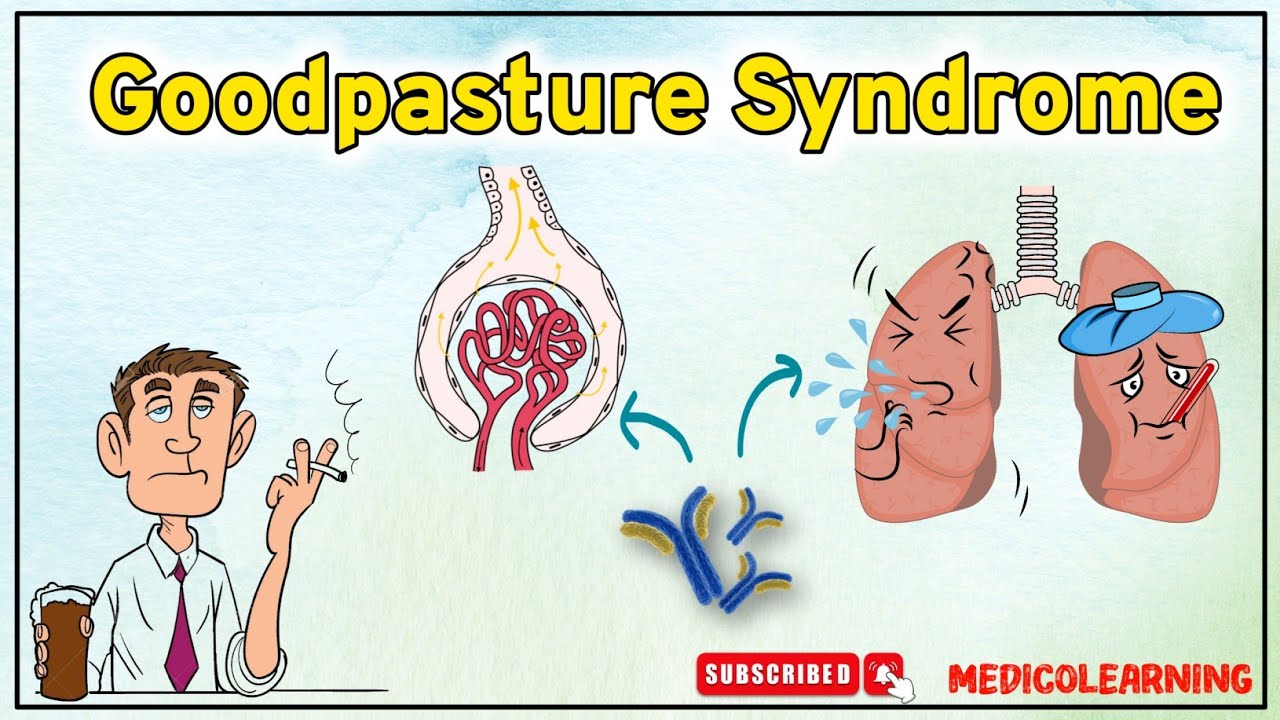
Imagine coughing up blood. Your lungs fill with fluid. Breathing becomes impossible. Simultaneously, your kidneys fail. Blood appears in your urine. Kidney function deteriorates rapidly. Without emergency treatment, respiratory failure and kidney failure develop simultaneously. This is Goodpasture syndrome—a rare but devastating autoimmune disease where antibodies attack the basement membranes of both the lungs and kidneys, causing pulmonary hemorrhage and rapidly progressive glomerulonephritis. Goodpasture syndrome, also called anti-GBM disease, is a rare autoimmune vasculitis. The disease is characterized by circulating antibodies against type IV collagen—a component of basement membranes. These autoantibodies target the glomerular basement membrane (GBM) in kidneys and the alveolar basement membrane in lungs. The antibody-antigen complexes activate complement. Inflammatory cells infiltrate lungs and kidneys. Severe inflammation causes rapid organ damage. Pulmonary hemorrhage develops causing hemoptysis—coughing up blood. Rapidly progressive glomerulonephritis develops causing kidney failure. The dual organ involvement is characteristic and life-threatening. Goodpasture syndrome affects approximately 1 per million people per year. The disease is rare in children, increasing in frequency in adults. Peak incidence is in the third to fourth decade of life. Men are affected slightly more frequently than women. What makes Goodpasture syndrome particularly urgent is the rapid progression. Patients develop severe pulmonary and renal disease over days to weeks. Without emergency treatment, death occurs from respiratory failure or kidney failure. However, with immediate aggressive treatment including plasmapheresis and immunosuppression, many patients survive. Early recognition and rapid treatment are crucial for survival. In this comprehensive article, we will explore what Goodpasture syndrome is, understand how anti-GBM antibodies damage lungs and kidneys, recognize life-threatening symptoms, learn about diagnostic methods, explore emergency treatments, and discover long-term management strategies for surviving this rare but devastating disease.
Understanding Basement Membranes and Their Function
Before we explore Goodpasture syndrome, we need to understand basement membranes and their critical role. Basement membranes are specialized extracellular matrix structures. These thin, sheet-like structures separate and support various tissues. Basement membranes consist of type IV collagen, laminin, nidogen, and perlecan. Type IV collagen is the main structural component providing tensile strength. Basement membranes are found throughout the body in specialized locations. The glomerular basement membrane (GBM) in kidneys separates the blood from the filtration space. The alveolar basement membrane in lungs separates the air spaces from the blood. The basement membrane at the neuromuscular junction supports nerve-muscle connections. Other basement membranes support blood vessel integrity and organ structure. The glomerular basement membrane is crucial for kidney filtration. The GBM performs selective filtration. Water and small solutes pass through. Large molecules like proteins and blood cells are retained. The GBM is approximately 300 nanometers thick. The thickness provides filtration selectivity. Damage to the GBM allows protein and blood cell leakage. The alveolar basement membrane in lungs separates the alveolus (air space) from the pulmonary capillary. The intact barrier maintains separation. Alveolar-capillary membrane integrity prevents fluid and blood from entering the alveolus. Damage to the alveolar basement membrane allows red blood cells to enter the alveolar space. The blood in the alveoli causes hemorrhage—the clinical manifestation of pulmonary involvement. Type IV collagen has a distinctive structure. The alpha-3 chain of type IV collagen contains the primary epitope—the target for anti-GBM antibodies. In Goodpasture syndrome, antibodies specifically target this alpha-3 epitope. The antibody binding to type IV collagen initiates the immune cascade. Complement activation follows. Inflammatory cells infiltrate. Tissue damage results. Understanding basement membrane structure helps explain why anti-GBM antibodies cause dual pulmonary and renal disease—both organs have type IV collagen in their basement membranes.
What is Goodpasture Syndrome?
Goodpasture syndrome is a rare autoimmune vasculitis characterized by circulating anti-glomerular basement membrane (anti-GBM) antibodies causing rapidly progressive glomerulonephritis and pulmonary hemorrhage. The disease is also called anti-GBM disease reflecting the antibody target. The disease is named after Ernest Goodpasture who first described it in 1919. In Goodpasture syndrome, the body produces IgG autoantibodies against the alpha-3 chain of type IV collagen. These autoantibodies circulate in blood. The antibodies bind to basement membranes in kidneys and lungs. The antibody-basement membrane complexes are recognized by the immune system. Complement cascade is activated. Inflammatory mediators are generated. Polymorphonuclear neutrophils (PMNs) infiltrate kidneys and lungs. These immune cells release toxic substances. Tissue damage results. In kidneys, the GBM is damaged. Endothelial cells are destroyed. The filtration barrier becomes permeable. Protein and blood cells leak into urine. Glomerular inflammation develops. Red blood cells are damaged and leak into the glomeruli. The patient’s own red blood cells enter the filtration space. Red cells appear in urine. Kidney function rapidly decreases. Rapidly progressive glomerulonephritis develops. Kidney failure can occur within days to weeks. In lungs, the alveolar basement membrane is damaged. Alveolar-capillary membrane integrity is lost. Red blood cells leak from pulmonary capillaries into the alveolar space. Pulmonary hemorrhage develops. Blood in the alveoli causes hemoptysis—coughing up blood. Dyspnea (shortness of breath) develops from blood-filled alveoli. Hypoxemia (low oxygen) develops. Respiratory failure can develop rapidly. What causes the immune system to produce anti-GBM antibodies is incompletely understood. Genetic factors might increase susceptibility. Environmental triggers are suspected. Upper respiratory tract infections have preceded Goodpasture syndrome development. Viral infections might trigger antibody production. Molecular mimicry—viral antigens resembling GBM antigens—might activate immune response cross-reacting against basement membranes. Smoking is strongly associated with Goodpasture syndrome. Smokers have higher risk of developing pulmonary involvement. Smoking might increase susceptibility to antibody production or increase lung vulnerability to immune attack. Hydrocarbon exposure has been associated. Gasoline or other volatile organic compounds might trigger disease. The combination of genetic predisposition and environmental trigger results in anti-GBM antibody production. The antibodies attack basement membranes causing the dual organ involvement characteristic of Goodpasture syndrome.
Recognizing Life-Threatening Symptoms: Pulmonary and Renal Manifestations
Goodpasture syndrome symptoms develop acutely and rapidly progress. The acute presentation demands emergency medical evaluation. Recognizing symptoms when they appear is crucial for survival. Hemoptysis (coughing up blood) is the hallmark pulmonary symptom. Blood-tinged or frankly bloody sputum appears. The hemoptysis can be minimal initially but progresses. Massive hemoptysis can cause exsanguination and death. Hemoptysis is often the first manifestation prompting emergency care. Dyspnea (shortness of breath) develops from pulmonary hemorrhage. Breathing difficulty worsens rapidly. Dyspnea at rest indicates severe pulmonary involvement. Respiratory distress signals severe disease. Chest pain develops in some patients. The chest pain might be pleuritic—worsened by breathing. The pain reflects lung inflammation. Fever sometimes develops. The fever indicates acute inflammation. Malaise and systemic symptoms reflect severe illness. Cough develops. The cough might be nonproductive or productive of blood. The cough reflects pulmonary inflammation. Hypoxemia develops. Oxygen saturation decreases. Supplemental oxygen becomes necessary. The hypoxemia reflects pulmonary hemorrhage preventing gas exchange. Respiratory failure can develop requiring mechanical ventilation. Hematuria (blood in urine) is the hallmark renal symptom. Gross hematuria—visible blood—develops. Urine becomes tea-colored or red. Microscopic hematuria—red blood cells visible under microscope—develops. Proteinuria (protein in urine) develops. Urine becomes foamy from protein concentration. Proteinuria indicates glomerular damage. Acute kidney injury develops. Serum creatinine rises rapidly. Kidney function deteriorates over days to weeks. Oliguria—reduced urine output—develops. Uremia develops as kidney function fails. Nausea and vomiting develop. Mental status changes develop from uremia. Hypertension develops. Blood pressure elevation reflects kidney damage. Severe hypertension can cause complications. Edema (swelling) develops from fluid retention. Facial puffiness develops. Peripheral edema affects extremities. Pulmonary edema develops from respiratory involvement. The patient is acutely ill with systemic symptoms. Fever, malaise, and constitutional symptoms accompany organ involvement. The acute presentation differentiates Goodpasture syndrome from more indolent autoimmune diseases. The rapid progression demands emergency treatment. Delay in diagnosis and treatment allows organ damage to worsen. Death can occur within days to weeks without treatment.
Understanding the Pathophysiology: Anti-GBM Attack
Understanding how anti-GBM antibodies cause tissue damage helps explain the disease mechanism and treatment rationale. Anti-GBM antibody production initiates disease. For unknown reasons, the immune system loses tolerance to basement membrane antigens. B lymphocytes produce IgG antibodies against the alpha-3 chain of type IV collagen. The anti-GBM antibodies are produced primarily in bone marrow. The antibodies enter circulation. Circulating anti-GBM antibodies bind to basement membranes. The antibodies reach lungs through pulmonary circulation. The antibodies reach kidneys through renal circulation. The antibodies bind to basement membrane antigens. Linear IgG deposition occurs along basement membranes. This linear pattern is characteristic of Goodpasture syndrome. Complement activation follows antibody binding. The classical complement pathway is activated. C1q binds to antibodies. Complement cascade proceeds. C3 and C5 activation generate inflammatory mediators. C5a is a potent neutrophil chemoattractant. Mast cells degranulate releasing additional inflammatory mediators. Inflammatory cell infiltration occurs. Neutrophils infiltrate lungs and kidneys. Macrophages infiltrate. CD4+ T lymphocytes infiltrate. The inflammatory cells release proteolytic enzymes. Neutrophil elastase and other proteases degrade tissue. The proteases cause direct tissue damage. Oxygen-free radicals are generated. These reactive oxygen species cause oxidative damage. The combined inflammatory attack causes severe tissue destruction. Crescent formation in kidneys. Cellular crescents—proliferating cells filling Bowman’s capsule—develop. Fibrocellular crescents form. Fibrous crescents develop as disease progresses. Crescent formation correlates with severe glomerular damage. In lungs, alveolar hemorrhage results from capillary destruction. Pulmonary edema develops from increased vascular permeability. Alveolar spaces fill with blood and fluid. Gas exchange is impaired. Respiratory failure develops. The combined renal and pulmonary manifestations result from basement membrane attack at both sites. The type IV collagen target in both lungs and kidneys explains the dual organ involvement. Patients with antibodies against other basement membrane antigens (such as Goodpasture-like disease from other causes) might have single organ involvement. The universal presence of anti-GBM antibodies against type IV collagen ensures multi-organ involvement.
Diagnosis: Emergency Recognition of Goodpasture Syndrome
Diagnosing Goodpasture syndrome requires high clinical suspicion, rapid serologic testing, and kidney biopsy. The diagnosis must be made emergently as treatment delays worsen outcomes. Clinical presentation of acute pulmonary hemorrhage plus acute glomerulonephritis should raise suspicion. The combination is distinctive. Differential diagnoses include vasculitis, systemic lupus erythematosus, and anti-GBM disease (which is Goodpasture syndrome). Clinical history is crucial. Hemoptysis plus hematuria should trigger anti-GBM testing. Recent respiratory symptoms might indicate preceding infection. Smoking history is relevant. Hydrocarbon exposure history should be obtained. Physical examination documents pulmonary and systemic findings. Lung auscultation might reveal rales from pulmonary edema. Signs of kidney disease including edema. Hypertension. Blood tests are essential. Serum creatinine assesses kidney function. Elevated creatinine indicates renal impairment. BUN (blood urea nitrogen) elevation occurs. Urinalysis shows hematuria and proteinuria. Red blood cell casts indicate glomerulonephritis. Hemoglobin and hematocrit assess anemia. Hemoglobin decrease reflects pulmonary hemorrhage. Coagulation studies assess bleeding risk. PT and INR might be prolonged. Platelet count might decrease. Anti-GBM serology is crucial. ELISA (enzyme-linked immunosorbent assay) detects circulating anti-GBM antibodies. Anti-GBM positivity confirms anti-GBM disease. Titers correlate with disease activity. The ELISA has high specificity and sensitivity. ANA testing screens for lupus. ANA is negative in Goodpasture syndrome. ANCA testing screens for vasculitis. ANCA is negative in Goodpasture syndrome. These negative results help confirm anti-GBM disease. Chest X-ray shows pulmonary infiltrates. Bilateral infiltrates are characteristic. The infiltrates represent pulmonary hemorrhage. Infiltrates progress as disease worsens. CT chest shows pulmonary hemorrhage details. Kidney biopsy confirms diagnosis. A kidney sample is obtained. Light microscopy shows glomerular crescents. Immunofluorescence shows linear IgG deposition along the GBM. This linear pattern is pathognomonic for anti-GBM disease. Electron microscopy shows immune complexes. The kidney biopsy findings confirm diagnosis and assess disease severity. Lung biopsy is rarely needed. Transbronchial biopsy might show alveolar hemorrhage. Lung biopsy is reserved for cases where diagnosis is unclear. The diagnosis of Goodpasture syndrome is confirmed by clinical features (pulmonary hemorrhage plus glomerulonephritis) plus anti-GBM antibody positivity plus kidney biopsy findings (linear IgG deposition on immunofluorescence). Rapid diagnosis allows emergency treatment initiation.
Emergency Treatment: Life-Saving Therapy
Goodpasture syndrome requires immediate emergency treatment. Without treatment, death occurs from respiratory or renal failure. Plasmapheresis is the cornerstone treatment. Plasmapheresis removes circulating anti-GBM antibodies from blood. The procedure involves blood filtration removing antibodies and other large molecules. Typically, 1 to 1.5 liters of plasma is exchanged daily. Fresh frozen plasma or albumin replaces removed plasma. Plasmapheresis is continued until anti-GBM antibodies become undetectable. Usually 10 to 14 daily sessions are performed. Plasmapheresis dramatically reduces antibody levels. Clinical improvement often follows within days. Plasmapheresis must be started immediately—delays worsen outcomes. High-dose corticosteroids suppress immune response. Methylprednisolone 1 gram IV is given daily for 3 to 5 days. Oral prednisone 1 mg/kg/day follows. Corticosteroids reduce immune cell activation. The immunosuppression reduces new antibody production. Corticosteroids reduce inflammatory cell infiltration. Combined plasmapheresis plus corticosteroids produces remission in most patients. Cyclophosphamide is given for severe disease. Cyclophosphamide 2 to 4 mg/kg/day orally or IV pulses suppresses B cell production. Cyclophosphamide prevents anti-GBM antibody formation. The combination of plasmapheresis, corticosteroids, and cyclophosphamide is standard. Remission rates exceed 90 percent with this triple therapy. Dialysis is initiated if kidney failure develops. Hemodialysis maintains fluid and electrolyte balance. Dialysis supports patients through the acute kidney injury. Some patients recover renal function. Others progress to end-stage kidney disease requiring long-term dialysis. Mechanical ventilation is necessary if respiratory failure develops. Oxygenation and ventilation support is provided. Endotracheal intubation might be necessary. Pulmonary hemorrhage control requires ICU care. Supportive care is crucial. Blood product transfusion addresses anemia. Albumin infusion supports oncotic pressure. Fluid management maintains appropriate volume status. Infection prevention is important. ICU monitoring detects complications. The combination of emergency therapies has improved survival rates. With immediate treatment, survival exceeds 90 percent. Early treatment produces remission and prevents progression to dialysis-dependent kidney disease. Delays in diagnosis and treatment dramatically worsen outcomes.
Living with Goodpasture Syndrome: Long-Term Management and Recovery
Living with Goodpasture syndrome requires long-term immunosuppression, careful monitoring, and management of residual organ damage. Many patients recover with aggressive treatment. Continuing immunosuppression prevents disease relapse. Long-term corticosteroid therapy maintains remission. Low-dose prednisone (5 to 20 mg daily) is continued. Gradual tapering occurs as remission is maintained. Some patients achieve corticosteroid discontinuation. Others require lifelong low-dose therapy. Azathioprine or mycophenolate mofetil maintains remission. These immunosuppressive medications allow corticosteroid dose reduction. Long-term immunosuppression continues for months to years. Complete tapering of immunosuppression can occur in remission. However, disease relapse can occur requiring reinitiation of therapy. Close monitoring of anti-GBM antibody levels guides treatment decisions. Falling antibody titers indicate treatment response. Rising antibody titers suggest impending relapse. Regular kidney function monitoring assesses recovery. Serum creatinine trends indicate kidney function trajectory. Some patients recover full renal function. Others develop chronic kidney disease. End-stage kidney disease requires dialysis or transplantation. Regular urinalysis monitors for hematuria and proteinuria. Persistent proteinuria suggests ongoing kidney damage. Resolution of hematuria indicates healing. Pulmonary function testing assesses lung recovery. Pulmonary hemorrhage usually resolves quickly. Most patients recover normal pulmonary function. Some develop mild pulmonary fibrosis. Chest imaging reassesses lung status. Most infiltrates resolve within weeks. Residual fibrosis might persist. Pulmonary function usually recovers. Blood pressure control prevents further kidney damage. Hypertension often develops after initial recovery. ACE inhibitors and ARBs provide renal protection. Blood pressure targets less than 120/80 mmHg. Smoking cessation is absolutely crucial. Smoking worsens Goodpasture syndrome. Smokers have increased relapse risk. Smoking cessation dramatically improves outcomes. Regular hematology follow-up monitors for complications. Anemia sometimes develops requiring iron supplementation. Immunosuppression side effects require monitoring. Infections from immunosuppression are serious complications. Opportunistic infections require prevention and prompt treatment. Mental health support helps cope with the disease trauma. The acute life-threatening illness causes psychological impact. Counseling helps process the experience. Support groups provide understanding from survivors. Family support is crucial. Education helps loved ones understand disease. Support throughout recovery helps adaptation.
Frequently Asked Questions (FAQs)
Q1: Can Goodpasture syndrome recur after remission?
Yes, relapse can occur in approximately 10 to 15 percent of patients who achieve remission. Relapse usually occurs within the first year after completing immunosuppressive therapy. Relapses can be milder than the initial presentation. However, severe relapse causing kidney failure or pulmonary hemorrhage can occur. Regular follow-up with anti-GBM antibody testing helps detect rising titers suggesting impending relapse. Reinitiation of treatment at signs of relapse prevents progression. Close monitoring continues indefinitely.
Q2: Can someone with Goodpasture syndrome survive?
Yes, with immediate emergency treatment, approximately 90 percent of patients survive the acute episode. Survival depends on early diagnosis and rapid initiation of plasmapheresis, corticosteroids, and cyclophosphamide. Delays in diagnosis and treatment dramatically reduce survival. Some patients develop chronic kidney disease requiring dialysis despite surviving the acute episode. Others recover renal function completely. Pulmonary involvement usually recovers with normal or near-normal lung function.
Q3: Is Goodpasture syndrome hereditary?
Goodpasture syndrome is not strictly hereditary. While genetic factors might increase susceptibility, the disease requires environmental triggers for development. Environmental factors including infections, smoking, and hydrocarbon exposure contribute. Most Goodpasture syndrome cases are sporadic. Familial cases are extremely rare. Family members do not routinely need screening unless they develop symptoms.
Q4: Can a transplanted kidney develop Goodpasture syndrome?
Yes, anti-GBM disease can recur in transplanted kidneys in approximately 5 to 20 percent of transplant recipients. Recurrence can develop immediately or months after transplantation. The recurrence reflects persistent anti-GBM antibody production. Plasmapheresis before transplantation reduces anti-GBM antibody levels lowering recurrence risk. Some recommend waiting for anti-GBM antibodies to become undetectable before transplanting. Long-term immunosuppression after transplantation is necessary anyway.
Q5: What is the long-term prognosis for Goodpasture syndrome?
Long-term prognosis depends on disease severity at presentation and treatment response. Patients achieving remission with preserved renal function have excellent prognosis. Life expectancy approaches normal. Some patients develop chronic kidney disease requiring dialysis. Others require periodic hemodialysis but maintain some renal function. Pulmonary involvement usually recovers completely. Relapse can occur requiring reinitiation of treatment. Overall, with modern treatment, outcomes have dramatically improved.
Key Takeaways
Goodpasture syndrome is a rare but devastating autoimmune vasculitis characterized by anti-GBM antibodies attacking lungs and kidneys. The disease causes pulmonary hemorrhage and rapidly progressive glomerulonephritis. Hemoptysis and hematuria are hallmark symptoms. Anti-GBM antibody positivity plus kidney biopsy showing linear IgG deposition confirms diagnosis. Emergency treatment with plasmapheresis, corticosteroids, and cyclophosphamide is necessary for survival. Approximately 90 percent survival with immediate treatment. Diagnosis delays worsen outcomes dramatically. Smoking is a major risk factor. Environmental triggers including infections and hydrocarbon exposure contribute. Long-term immunosuppression prevents relapse in remission. Kidney function recovery depends on disease severity. Some patients recover completely. Others develop chronic kidney disease. Pulmonary involvement usually recovers fully. Relapse occurs in 10-15 percent of patients. Close monitoring continues indefinitely. With appropriate emergency treatment and long-term management, most patients survive and achieve reasonable quality of life.
References
- World Health Organization (WHO). “Goodpasture Syndrome and Anti-GBM Disease.” Retrieved from https://www.who.int/
- American College of Rheumatology. “Anti-GBM Disease: Clinical Guidelines.” Retrieved from https://www.rheumatology.org/
- Mayo Clinic. “Goodpasture Syndrome: Causes and Treatment.” Retrieved from https://www.mayoclinic.org/
- Cleveland Clinic. “Goodpasture Syndrome: Complete Information.” Retrieved from https://my.clevelandclinic.org/
- National Kidney Foundation. “Goodpasture Syndrome Patient Resources.” Retrieved from https://www.kidney.org/
- National Institute of Diabetes and Digestive and Kidney Diseases. “Goodpasture Syndrome.” Retrieved from https://www.niddk.nih.gov/
Related Articles on ObserverVoice.com
Explore more health and science topics on our platform:
- Understanding Autoimmune Diseases: When Your Immune System Attacks Itself
- The Kidneys: Function, Disease, and Renal Health
- The Lungs: Respiratory Function and Pulmonary Disease
- Vasculitis: Understanding Blood Vessel Inflammation
- Rapidly Progressive Glomerulonephritis: Understanding Kidney Failure
- Living with Chronic Illness: Adaptation and Support Strategies
Disclaimer
This article adapts publicly available information from WHO sources. This content is for informational and educational purposes only and does not constitute medical advice. [ObserverVoice.com] is a news and information platform — not a healthcare provider. If you suspect you have Goodpasture syndrome, experiencing hemoptysis or hematuria, seek emergency medical care immediately. Goodpasture syndrome is a medical emergency requiring urgent hospitalization and treatment. Delays in diagnosis and treatment are life-threatening. Always seek immediate medical attention for emergency symptoms. Licensed healthcare specialists must diagnose and treat Goodpasture syndrome.
Observer Voice is the one stop site for National, International news, Sports, Editor’s Choice, Art/culture contents, Quotes and much more. We also cover historical contents. Historical contents includes World History, Indian History, and what happened today. The website also covers Entertainment across the India and World.

