

FedEx Files Lawsuit Against US Administration for Full Refund of Tariffs

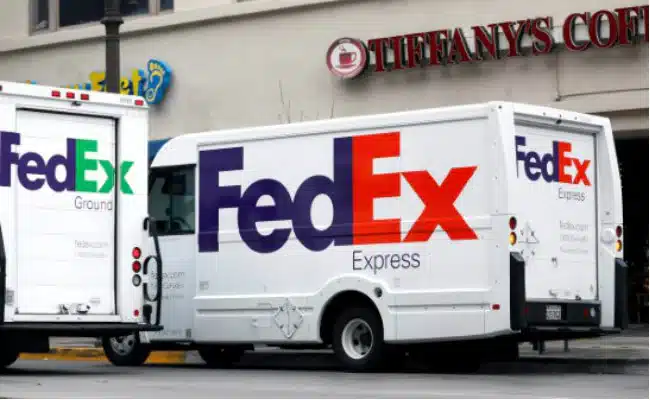
FedEx has taken a significant step by filing a lawsuit in the US Court of International Trade, seeking a refund for tariffs imposed during President Donald Trump’s administration. This legal action comes on the heels of a recent Supreme Court ruling that determined Trump exceeded his authority by using the International Emergency Economic Powers Act (IEEPA) to impose these tariffs. The logistics giant aims to reclaim funds it paid under these tariffs, although the exact amount remains undisclosed.
Details of the Lawsuit
In its complaint, FedEx has requested a full refund of all IEEPA duties it has paid to the United States. The company acted as the importer of record for goods that were subject to these tariffs. The lawsuit names several defendants, including US Customs and Border Protection (CBP), its commissioner Rodney Scott, and the United States government. This legal move reflects a growing trend among companies seeking to recover funds linked to tariffs that have been deemed improperly imposed.
FedEx is represented by the Washington, DC-based law firm Crowell & Moring, which is also advocating for other companies, such as Costco, Revlon, and EssilorLuxottica, that are pursuing similar refunds. The outcome of this case could set a precedent for other businesses affected by the tariffs, as many are now exploring their options for legal recourse.
Potential Refunds and Economic Impact
Economists from the Penn-Wharton Budget Model estimate that over $175 billion in tariffs could potentially be eligible for refunds following the Supreme Court’s decision. Legal experts suggest that importers and distributors may have the strongest cases for refunds due to their ability to provide detailed customs documentation and invoices that link tariff costs to specific goods. This documentation could be crucial in substantiating claims for refunds.
Ron Ciotti, a partner at Hinckley Allen in Boston, noted that businesses with contracts containing tariff escalation clauses or price adjustment provisions may have a better chance of securing refunds. He explained that if a company’s pricing was affected by tariffs as outlined in their contracts, they might be able to recover some of the costs incurred.
Consumer Implications and Political Reactions
While the potential for refunds could benefit businesses, experts caution that many consumers may find it challenging to claim refunds. Ciotti pointed out that although some may perceive the Supreme Court ruling as a victory for consumers, the lack of documentation linking higher prices to tariffs could hinder their ability to substantiate claims. Many consumers and businesses paid increased prices without clear evidence of how tariffs influenced those costs.
In the political arena, California Governor Gavin Newsom, who is viewed as a potential Democratic presidential candidate for 2028, has called for refund checks to be issued to Americans following the Supreme Court’s ruling. His statement reflects a growing concern among some lawmakers about the financial impact of tariffs on consumers and the broader economy.
As the legal proceedings unfold, the implications of this case could resonate throughout various sectors, potentially reshaping the landscape of international trade and tariff regulations in the United States.
Observer Voice is the one stop site for National, International news, Sports, Editor’s Choice, Art/culture contents, Quotes and much more. We also cover historical contents. Historical contents includes World History, Indian History, and what happened today. The website also covers Entertainment across the India and World.

