

Economic Survey Highlights Yama’s Insights from Katha Upanishad on Delayed Gratification

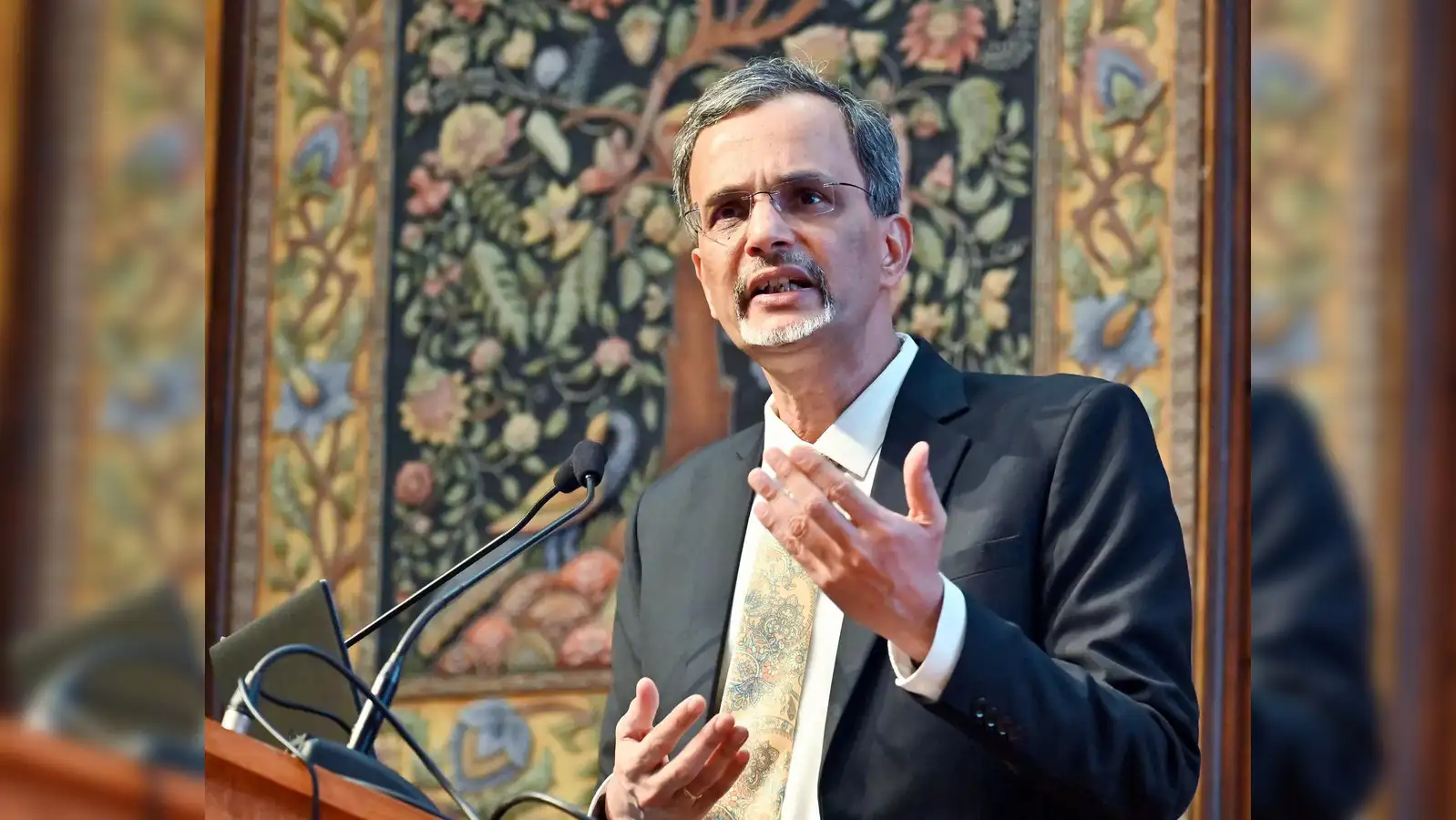
The Economic Survey for 2025-26, presented by Chief Economic Adviser V Anantha Nageswaran, paints a positive picture of the Indian economy, describing it as a beacon of macroeconomic stability amid global uncertainties. Tabled by Finance Minister Nirmala Sitharaman in Parliament, the report emphasizes the need for patience and strategic planning as India navigates a complex international landscape. It highlights the importance of delayed gratification for sustainable growth and resilience, urging both businesses and households to internalize their responsibilities in this evolving economic environment.
Emphasizing Delayed Gratification
The Economic Survey draws inspiration from the Katha Upanishad, particularly the concept of delayed gratification, to underscore its message. According to the survey, the teachings of Yama remind us that every moment presents a choice between enduring benefits (Śreya) and fleeting pleasures (Preya). The report suggests that a mature mindset favors long-term gains over immediate comforts, which is crucial for India’s development. It stresses that embracing delayed gratification can significantly enhance the nation’s resilience and growth potential.
The survey warns that the global economic landscape is undergoing significant changes due to geopolitical shifts, which will impact investment and supply chains for years to come. In light of these challenges, India is encouraged to focus on building resilience and innovation rather than seeking quick fixes to immediate problems. The report points out that a recurring challenge for India is the difficulty in sustaining delayed gratification, which is essential for competing effectively on the global stage. Without this commitment, there is a risk of substituting shortcuts for genuine capability, which could hinder long-term progress.
Manufacturing and Export Competitiveness
The Economic Survey highlights the pivotal role of manufacturing and exports in driving India’s economic growth, especially in a fragmented global economy. Chief Economic Adviser Nageswaran noted that if India can enhance its manufacturing capabilities and export competitiveness while implementing necessary reforms, the economy could achieve a growth rate of 7.5% to 8% in the coming years. The report emphasizes that India has already entered into several free trade agreements, including a recent one with the European Union, which is expected to bolster trade relations.
The survey projects a medium-term growth rate of around 7%, which is not heavily reliant on resolving tariff issues with the United States, given the uncertain timelines for such negotiations. This outlook reflects confidence in India’s ability to navigate global economic challenges while focusing on strengthening its manufacturing base and export potential.
Fiscal Responsibility and Long-term Solutions
Looking ahead, the Economic Survey sets a goal of reducing the combined fiscal deficit of the central and state governments to approximately 6%. While some states have adopted unconditional cash transfers to support their populations, the survey cautions that sustaining economic growth requires a careful balance of revenue expenditure. It warns that immediate financial assistance should not compromise essential investments needed for inclusive prosperity in the medium term.
Prime Minister Narendra Modi has endorsed the Economic Survey as a valuable tool for informed policymaking, reinforcing confidence in India’s economic trajectory. He emphasized the government’s commitment to addressing long-standing issues with long-term solutions that foster predictability and build global trust. As the nation anticipates Finance Minister Sitharaman’s upcoming Union Budget speech, the focus will likely be on reforms that promote resilience and the principles of delayed gratification, setting the stage for a robust economic future.
Observer Voice is the one stop site for National, International news, Sports, Editor’s Choice, Art/culture contents, Quotes and much more. We also cover historical contents. Historical contents includes World History, Indian History, and what happened today. The website also covers Entertainment across the India and World.

