

Delhi’s Magenta Metro Line Set to Be the Longest Corridor, Transforming Travel Across NCR

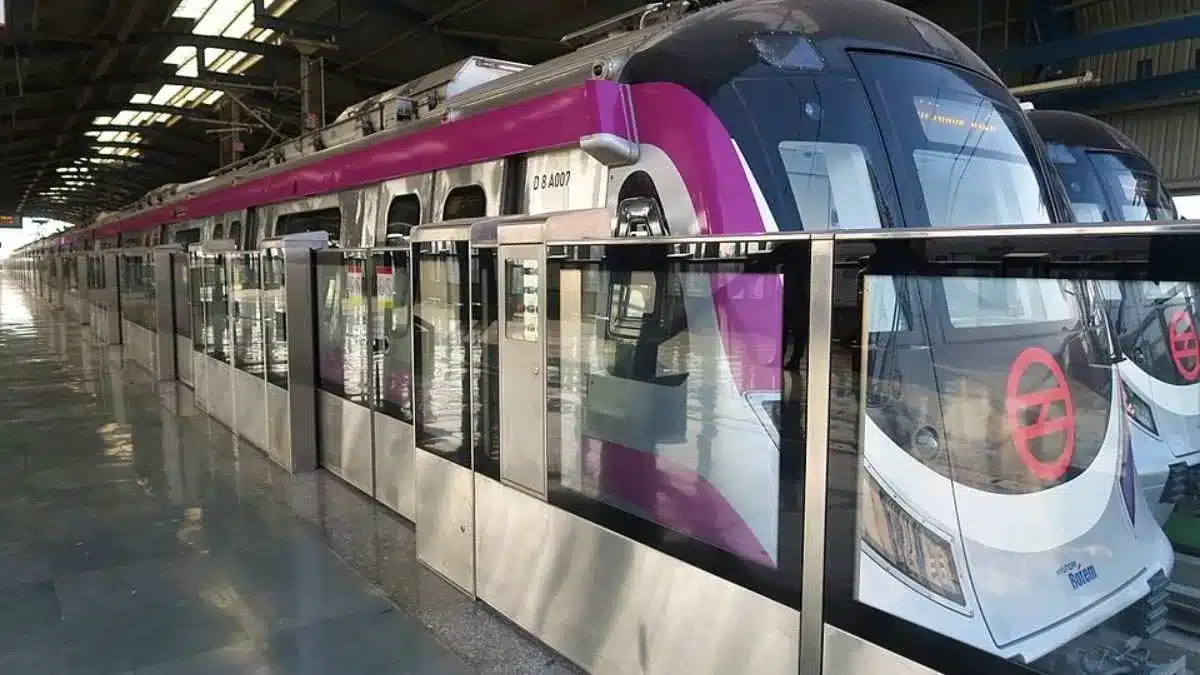
The Magenta Line of the Delhi Metro is poised to become the longest corridor in the network, significantly enhancing connectivity across the National Capital Region. With the recent approval of Phase-V (A), the line will extend from Ramakrishna Ashram Marg to Indraprastha, incorporating the Central Vista. This ambitious project will not only increase the total length of the corridor to approximately 89 kilometers but will also introduce a substantial number of interchange stations, making it a vital component of the city’s transport infrastructure.
Expansion of the Magenta Line
The Delhi Metro Rail Corporation (DMRC) has announced plans to extend the Magenta Line, which currently runs from Botanical Garden to Janakpuri West. The new extension will connect Ramakrishna Ashram Marg to Indraprastha, integrating the corridor with the Central Vista. This development is part of the broader Phase-V (A) project, which aims to enhance the overall efficiency and reach of the metro network. Once completed, the Magenta Line will stretch approximately 89 kilometers, making it the longest corridor in the Delhi Metro system. The line will operate fully driverless, showcasing the latest advancements in metro technology.
Interchange Connectivity Improvements
One of the most significant aspects of the Magenta Line extension is the increase in interchange stations. Currently, the operational section includes four interchange stations: Kalkaji Mandir, Botanical Garden, Janakpuri West, and Hauz Khas. The upcoming phases will add 17 more interchange stations, including key locations such as Kalindi Kunj, Chirag Delhi, and Terminal-1 IGI Airport. Notably, Central Secretariat, Azadpur, New Delhi, and Inderlok will serve as triple interchange stations, enhancing multi-line connectivity for commuters. This extensive network of interchange stations is expected to facilitate smoother transfers and reduce travel times across the metro system.
Engineering Milestones and Features
The Magenta Line also boasts remarkable engineering achievements within the Delhi Metro framework. Haiderpur Badli Mor station will be the highest elevated metro station in the network, standing at approximately 28.362 meters above ground level. In contrast, Hauz Khas station will be the deepest underground metro station, located around 29 meters below the surface. These engineering feats highlight the advanced technological capabilities of the DMRC and the complexity of the metro system’s expansion. The combination of elevated and underground sections is designed to optimize space and improve the overall travel experience for passengers.
Impact on Commuters and Traffic Congestion
The extensive network of the Magenta Line is expected to significantly alleviate traffic congestion in the National Capital Region. With 65 stations planned between Botanical Garden and Inderlok, including 40 underground stations, the corridor aims to provide seamless end-to-end connectivity. DMRC anticipates that the new line will not only reduce travel times but also ease congestion on major routes, making public transport a more attractive option for commuters. The integration of advanced engineering and a comprehensive interchange system positions the Magenta Line as a crucial element in the ongoing development of Delhi’s metro infrastructure.
Observer Voice is the one stop site for National, International news, Sports, Editor’s Choice, Art/culture contents, Quotes and much more. We also cover historical contents. Historical contents includes World History, Indian History, and what happened today. The website also covers Entertainment across the India and World.
Follow Us on Twitter, Instagram, Facebook, & LinkedIn

