

Delhi Pollution Crisis: Corporate Responses to Employee Safety Amid Severe AQI Levels

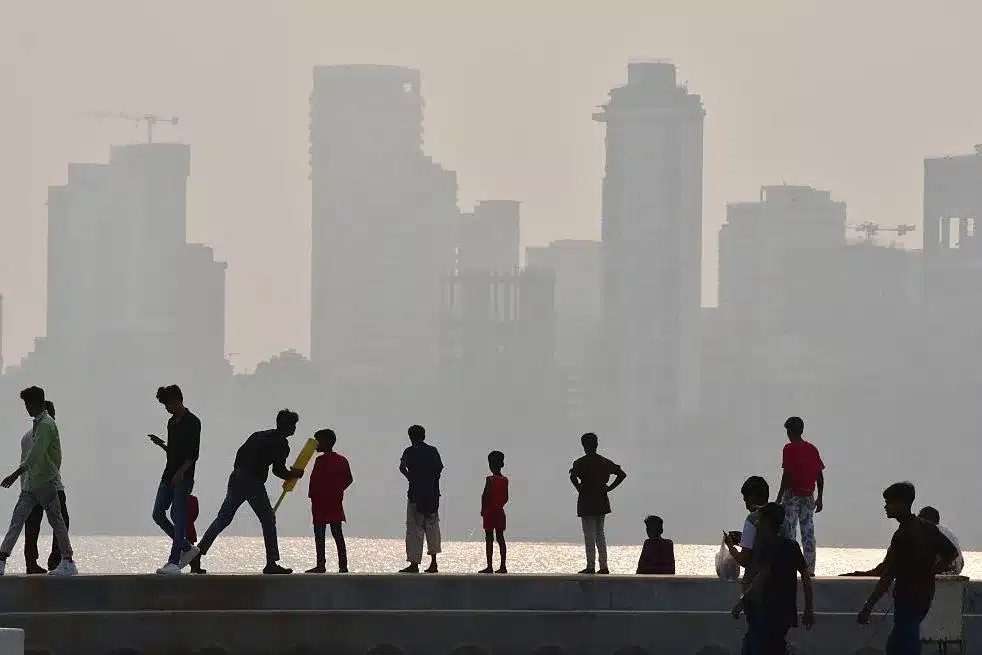
As Delhi grapples with its worst air quality of the season, businesses in the National Capital Region (NCR) are responding by reinstating work-from-home policies and limiting staff travel. The city’s average Air Quality Index (AQI) soared past 400, prompting the implementation of Stage 3 of the Graded Response Action Plan (GRAP). This stage enforces strict measures, including remote work and a ban on construction activities, as residents face severe pollution levels.
Work-from-Home Policies Reinstated
In light of the deteriorating air quality, many companies have opted to allow employees to work from home. Nestlé India, headquartered in Gurgaon, has communicated to its staff that remote work is an available option. A spokesperson for the company emphasized that this flexibility is part of their ongoing commitment to employee well-being. Other major corporations, such as Mondelez, Diageo, Deloitte, ITC, AB InBev, and RPG, have also embraced similar policies, enabling their employees to work remotely under existing hybrid arrangements. Mondelez India’s senior director, Nagina Singh, highlighted that their flexible work model allows employees to tailor their work environment to their needs, applicable across all locations in India, including the NCR.
The Commission for Air Quality Management (CAQM) has urged private firms to adopt work-from-home or hybrid systems as part of the GRAP-3 restrictions. This recommendation comes as Delhi’s AQI reached a concerning 425, marking the first day of severe pollution this season. The implementation of these measures aims to protect public health and mitigate the effects of the hazardous air quality.
Impact on Businesses and Events
The enforcement of GRAP-3 restrictions has begun to affect various sectors, particularly hospitality and retail. Anjan Chatterjee, chairman of Speciality Restaurants, which operates popular dining chains, reported a noticeable decline in customer footfall as residents are increasingly avoiding dining out due to the poor air quality. He noted that several large outdoor events have been postponed, which is particularly unfortunate given the pleasant weather typically enjoyed during this time of year.
Additionally, businesses are scaling back their market activities. A senior executive from a consumer durables company indicated that sales teams across Delhi, Gurgaon, Noida, Ghaziabad, and Faridabad have been advised to limit their market visits in response to the worsening air conditions. This shift in operations reflects a broader trend as companies prioritize employee safety and adapt to the ongoing environmental challenges.
School Closures and Transportation Restrictions
The GRAP-3 restrictions also include significant measures affecting education and transportation. Schools up to Class 5 have been ordered to close, with classes transitioning to online formats to ensure the safety of young students. This decision underscores the seriousness of the air quality crisis and its impact on daily life in Delhi.
Moreover, the restrictions prohibit inter-state diesel buses from entering or operating within the city. Essential services, including railways, metro construction, airports, defense, sanitation, and healthcare, are exempt from these regulations, provided they adhere to specific dust and waste management norms. These measures aim to reduce pollution levels while ensuring that critical services continue to operate effectively.
As the air quality crisis unfolds, public health concerns are at the forefront of discussions among residents and officials alike. The severe pollution levels pose significant health risks, particularly for vulnerable populations, including children and the elderly. Activists and community members have voiced their frustrations through protests, calling for immediate action to address the air quality issues plaguing the city.
Looking ahead, the situation remains fluid as authorities monitor air quality levels and assess the effectiveness of the implemented measures. The ongoing collaboration between businesses, government agencies, and the community will be crucial in navigating this environmental challenge and safeguarding public health in the National Capital Region.
Observer Voice is the one stop site for National, International news, Sports, Editor’s Choice, Art/culture contents, Quotes and much more. We also cover historical contents. Historical contents includes World History, Indian History, and what happened today. The website also covers Entertainment across the India and World.
Follow Us on Twitter, Instagram, Facebook, & LinkedIn

