

Chondrosarcoma: The Bone Cancer That Develops in Cartilage

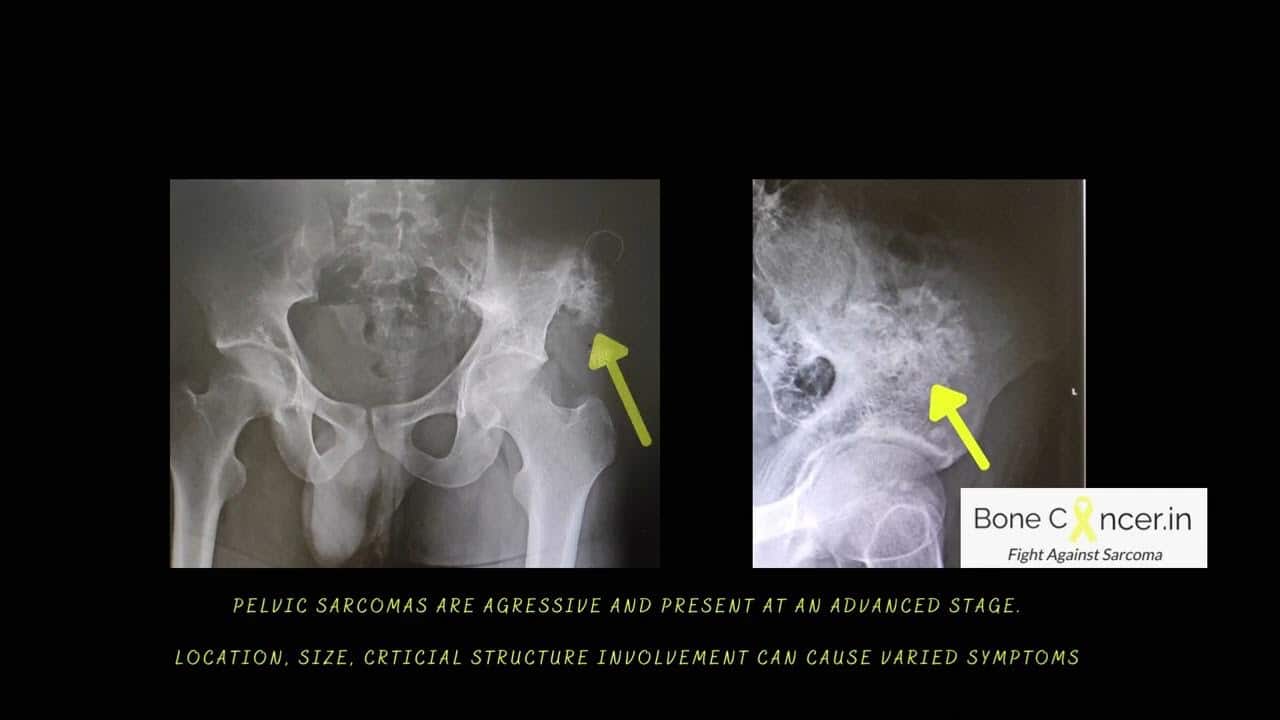
When 58-year-old Michael developed persistent aching pain in his right hip that worsened over six months, he attributed it to arthritis—after all, his father had hip replacement at age 60. But when the pain became unbearable at night and a visible swelling appeared over his pelvis, MRI revealed a shocking diagnosis: chondrosarcoma, a rare bone cancer arising from cartilage cells in his iliac wing (pelvic bone). “The orthopedic oncologist explained that unlike osteosarcoma affecting teenagers, chondrosarcoma is an adult disease,” Michael recalled. “And unlike most cancers, chemotherapy doesn’t work—surgery is the only cure.” Chondrosarcoma is a type of bone cancer that starts in cartilage cells. Chondrosarcoma is the second most common type of primary bone cancer in adults. This type of cancer rarely affects individuals under age 20. The risk continues to rise until age 75. Chondrosarcoma is a rare type of bone cancer that develops in cartilage cells. It is the most common bone cancer in adults. Chondrosarcoma mainly affects the cartilage cells of the thighbone (femur), arm, pelvis, knee, and spine. Understanding why cartilage—the flexible tissue cushioning joints and forming structures like nose and ears—transforms into malignant bone tumors predominantly after age 40, and why these slow-growing cancers resist standard chemotherapy, reveals both unique biology and surgical imperative driving treatment. Pediatric Osteosarcoma: Practice Essentials, Pathophysiology, Etiology +2
What Is Cartilage and Where Does Chondrosarcoma Arise?
Cartilage is specialized connective tissue serving critical skeletal functions: Articular cartilage: covers bone ends in joints (knee, hip, shoulder), provides smooth gliding surface, absorbs shock during weight-bearing. Growth plate cartilage: drives bone lengthening during childhood/adolescence via endochondral ossification—cartilage cells proliferate, hypertrophy, calcify, replaced by bone. Structural cartilage: forms nose, ears, trachea, ribs (costal cartilage connecting ribs to sternum), intervertebral discs. Cartilage composition: chondrocytes (cartilage cells) embedded in extracellular matrix—collagen fibers (type II collagen), proteoglycans (aggrecan—attracts water providing resilience), and water (70-80% of cartilage volume). Avascular tissue—no blood vessels penetrating cartilage. Nutrients diffuse from surrounding tissues. Low metabolic rate, slow cell division. Chondrosarcoma is a type of bone cancer that starts in cartilage cells. Cartilage is the smooth connective tissue that protects the ends of bones and lines most joints. Most bones develop from cartilage. And it plays an important role in the growth process. There are many different types of cartilage all over the body. Chondrosarcoma: malignant transformation of chondrocytes producing abnormal cartilaginous matrix. Tumor invades surrounding bone, destroys normal architecture, may metastasize (primarily lungs). Location patterns: Chondrosarcoma mainly affects the cartilage cells of the thighbone (femur), shoulder, or pelvis. Less often, it starts in the knee, ribs, skull, and windpipe (trachea). These tumors are typically found when cartilage is identified in areas of bone where it is not supposed to be. It can be found in any bone but is commonly identified in the femur (thigh bone), humerus (upper arm), pelvis (hips), and spine (backbone). Pelvis (25-30% of cases): ilium, pubis, ischium—most common site. Difficult surgical access, often large at diagnosis. Proximal femur (20-25%): upper thigh bone near hip joint. Proximal humerus (15-20%): upper arm bone near shoulder. Ribs (10-15%): costal cartilage where rib attaches to sternum. Other sites (<20%): scapula (shoulder blade), sternum, vertebrae, jaw, skull base, long bone shafts. The central versus peripheral distinction: Central (conventional) chondrosarcoma (85-90%): arises within bone medullary cavity (marrow space). Destroys bone from inside out. Most common type. Peripheral chondrosarcoma (10-15%): arises from bone surface—typically from pre-existing osteochondroma (benign cartilage-capped bony projection). Grows outward from bone. nih + 2
Types: Four Distinct Variants
Conventional: This type accounts for more than 85% of all chondrosarcomas. It develops in your thigh bone, upper arm bone or pelvis. It grows slowly and is less likely to spread than other types. Dedifferentiated: These fast-growing tumors usually develop in your upper arm bone, thigh bone or pelvis. Some cells start out as typical chondrosarcomas. Then, parts of the tumor change into cells like those of a high-grade sarcoma. Clear cell: Clear cell chondrosarcomas are typically found near a joint in your arm or leg. They tend to grow slowly and rarely spread. Mesenchymal: This type usually develops in your spine, ribs or jaw. These tumors often grow quickly. Conventional (central) chondrosarcoma (85-90%): arises de novo (spontaneously) or from pre-existing enchondroma (benign cartilage tumor). Slow-growing—may take years reaching clinical detection. Typically affects adults 40-70 years. Graded 1-3 based on cellularity, nuclear atypia, mitotic activity (see grading section below). Produces hyaline cartilage matrix—bluish lobulated appearance on imaging. Dedifferentiated chondrosarcoma (5-10%): biphasic tumor—low-grade conventional chondrosarcoma component adjacent to high-grade non-cartilaginous sarcoma (looks like osteosarcoma, fibrosarcoma, or undifferentiated pleomorphic sarcoma). Aggressive behavior—rapid growth, high metastatic rate. Affects older adults (median age 60-65 years). Five-year survival 10-30%—worst prognosis of all chondrosarcoma types. Clear cell chondrosarcoma (2-3%): rare variant with clear cytoplasm cells resembling renal cell carcinoma. Typically arises in epiphysis (bone end near joint) of long bones—proximal femur, proximal humerus. Young adults (20-40 years). Slow-growing, low metastatic potential. Five-year survival 85-90%—best prognosis. Mesenchymal chondrosarcoma (2-3%): rare, highly aggressive variant. Biphasic: primitive small round blue cells + islands of well-differentiated cartilage. Affects younger patients (teens-20s)—overlaps with osteosarcoma age distribution. Common sites: ribs, jaw, spine, skull base. Metastasizes frequently (40-50% at presentation or develop later). Five-year survival 30-50%. nih
The Adult Cancer Paradox: Why Not Children?
This type of cancer rarely affects individuals under age 20. The risk continues to rise until age 75. It’s most common in adults over age 40, but doctors usually don’t know what causes it. Conventional chondrosarcoma makes up about 80% of cases and usually occurs in people in their 50s and 60s. Most chondrosarcomas grow very slowly. They usually occur in people between the ages of 40 and 70. Age distribution: peak incidence 50-60 years for conventional type. Median age diagnosis: 58-62 years. Rare under age 20 (<5% of cases). Chondrosarcoma is a rare malignant tumor which forms cartilaginous matrix. The estimated overall incidence is 1 per 200,000/year and accounts for 20–30% of primary malignant bone tumors. The majority of cases occur after age 50, with a slight male predominance. Incidence 1 per 200,000 population annually. Comprises 20-30% of primary malignant bone tumors (second only to osteosarcoma overall but most common in adults >40 years). The osteosarcoma contrast: osteosarcoma peaks ages 10-20 during adolescent growth spurt—rapidly dividing osteoblasts creating new bone vulnerable to malignant transformation. Chondrosarcoma peaks ages 50-60—mature adults decades past growth completion. Why the age difference? Growth plate closure: by late teens/early 20s, growth plates fuse—no more bone lengthening via endochondral ossification. Active cartilage cell division ceases. Osteosarcoma risk drops dramatically post-adolescence. But residual cartilage persists throughout skeleton (articular cartilage, remnant growth plate cartilage incorporated into metaphysis during growth). Cumulative mutations: chondrosarcoma likely requires multiple genetic hits accumulated over decades. IDH1/IDH2 mutations (50-70% of chondrosarcomas)—metabolic reprogramming, hypermethylation phenotype. TP53, RB1 mutations (dedifferentiated type). Takes years/decades accumulating sufficient mutations driving malignant transformation. Pre-existing lesions: 10-30% of chondrosarcomas arise from pre-existing benign enchondromas or osteochondromas. These benign lesions develop during childhood/adolescence but malignant transformation occurs decades later in adulthood. Gender: The majority of cases occur after age 50, with a slight male predominance. Male:female ratio approximately 1.2-1.5:1. Slight male predominance across all ages. Cleveland Clinic + 3
Risk Factors: Benign Tumors Turn Malignant
Most chondrosarcomas arise de novo (spontaneously) in previously normal bone without identifiable predisposing factors. But some conditions increase risk: Enchondromas (benign cartilage tumors): Most often, chondrosarcoma starts in normal cartilage cells. It may also start in a noncancer (benign) bone or cartilage tumor. Enchondroma. This is a type of benign bone tumor that starts in cartilage and often affects the hands and feet but can develop in other bones. In most cases, chondrosarcoma happens from normal cartilage cells. It may also stem from a preexisting noncancer (benign) bone or cartilage tumor. Enchondromas. This is a type of noncancer bone tumor that begins from cartilage and often affects the hands. Solitary enchondromas (single benign cartilage tumor): common in hands/feet—usually remain benign. Enchondromas in long bones (femur, humerus, tibia) have 1-2% malignant transformation risk. Larger size (>5cm), axial location (pelvis, ribs, scapula), painful lesions suggest malignant transformation. Ollier disease (enchondromatosis): Ollier disease (enchondromatosis). The cause of this rare disease is not known, and it isn’t inherited. It is most common in children and young adults. It causes clusters of enchondromas that often affect the hands and feet. It can cause severe bone deformities. About 1 out of 3 people with Ollier disease develop chondrosarcoma. About 1 out of 3 people with Ollier disease develop chondrosarcoma. Multiple enchondromas throughout skeleton causing limb deformities, leg length discrepancy. Lifetime chondrosarcoma risk 25-30% (versus <0.5% general population). Usually develops in long bone/pelvic enchondromas (not hand/foot lesions). Malignant transformation typically occurs age 30-50 years. Maffucci syndrome: Maffucci syndrome. This is a combination of multiple enchondromas and benign tumors made up of blood vessels (angiomas). Ollier disease + multiple soft tissue hemangiomas (blood vessel tumors). Chondrosarcoma risk 35-40%—even higher than Ollier disease alone. Multiple hereditary exostoses (MHE): Multiple hereditary exostoses. This is a syndrome passed in families (inherited). It causes many osteochondromas. These are overgrowths of cartilage and bone near the end of the growth plate of long bones in the arms or legs. These bone defects can develop into chondrosarcoma. Autosomal dominant—EXT1/EXT2 gene mutations. Multiple osteochondromas (benign cartilage-capped bony projections) throughout skeleton. Chondrosarcoma risk 2-5%—typically arises from large pelvic/scapular osteochondromas. Malignant transformation suspected if: lesion growth after skeletal maturity, cartilage cap >2cm thick, new pain in previously asymptomatic osteochondroma. Prior radiation therapy: In rare cases, radiation therapy and chemotherapy for other cancers can lead to the later development of chondrosarcoma tumors. Radiation damages DNA—predisposes secondary malignancies. Latency period 5-20+ years post-radiation. Chondrosarcoma risk proportional to radiation dose received. Examples: childhood cancer survivors treated with radiation (retinoblastoma, Hodgkin lymphoma, Ewing sarcoma). Medscape + 6
Symptoms: The Slow Progression
It isn’t like other cancers that can make you feel sick and wiped out. Instead, you get symptoms right in the area of the tumor. You might feel an aching pain that slowly gets worse. It can be especially bad at night or with physical activity, and rest doesn’t usually help. Symptoms can include a large mass on the affected bone, and pain that gets worse over time. Pain (70-80% at presentation): dull, deep, aching bone pain at tumor site. Insidious onset—gradually worsening over months to years (unlike osteosarcoma presenting weeks to months). Initially intermittent—comes and goes. Progressively becomes constant, severe. Worse at night (disrupts sleep), worse with weight-bearing or activity, and poorly responsive to NSAIDs, rest. The misdiagnosis delay: vague pain attributed to arthritis, bursitis, muscle strain—average 6-12 months delay before investigation in many cases. Pelvic chondrosarcomas especially delayed (hip/buttock pain attributed to sciatica, sacroiliac dysfunction). Palpable mass (40-50%): firm, fixed swelling over bone—not movable (attached to skeleton). May be large at presentation (5-15cm)—slow growth allows extensive size before symptoms severe enough prompting evaluation. Ribs, scapula, pelvis—superficial bones where masses more readily palpable. Warmth, redness over mass uncommon (distinguishes from infection). Limited range of motion: if tumor near joint (hip, shoulder, knee), progressive stiffness, inability fully flex/extend joint, altered gait (limp) if lower extremity involvement. Pathologic fracture (5-10%): tumor weakens bone leading to fracture from minimal trauma. Sudden severe pain, inability bear weight, deformity. Diagnostic clue: fracture in unusual location (proximal femur, pelvis) from trivial injury in middle-aged/elderly adult. Constitutional symptoms (advanced/dedifferentiated type): unexplained weight loss, fatigue, fever rare in conventional chondrosarcoma. Presence suggests dedifferentiated type or metastatic disease. Asymptomatic incidental discovery (10-20%): found on imaging for other reasons (trauma workup, joint pain evaluation)—X-ray/MRI reveals incidental cartilaginous lesion. Dilemma: distinguishing benign enchondroma from low-grade chondrosarcoma challenging—requires clinical correlation (pain suggests malignancy), serial imaging (growth suggests malignancy). ScienceDirectPubMed Central
Diagnosis: From Imaging to Biopsy
It can be hard to tell a benign tumor from a slow-growing chondrosarcoma, and the symptoms can sometimes look like some other bone problem, such as an infection. Diagnostic pathway: Plain X-rays (initial test): chondroid matrix calcification—”rings and arcs” pattern (popcorn-like calcification). Endosteal scalloping—tumor erodes inner cortical bone. Cortical thickening or destruction. Soft tissue mass with matrix calcification. Enchondroma versus chondrosarcoma: enchondroma typically <5cm, central medullary location, no endosteal scalloping, no soft tissue mass, no pain. Chondrosarcoma >5cm, endosteal scalloping >2/3 cortical thickness, soft tissue extension, painful. MRI (defines extent): gold standard for local staging. Lobulated T2-hyperintense mass (cartilage high water content). Septal/nodular enhancement after gadolinium contrast. Cortical destruction, soft tissue extension. Skip lesions (satellite tumor nodules). Neurovascular involvement. CT scan: better than X-ray for matrix calcification detection. Chest CT screens for lung metastases (10-15% metastatic at diagnosis—primarily dedifferentiated type). Biopsy (definitive diagnosis): core needle biopsy or open biopsy. Pathology confirms: malignant chondrocytes, cartilaginous matrix production, increased cellularity, nuclear atypia, and tumor grade (1, 2, or 3—critical for prognosis, treatment planning). Biopsy challenges: distinguishing grade 1 chondrosarcoma from enchondroma difficult—requires clinical-radiologic-pathologic correlation. Sampling error—heterogeneous tumors may show low-grade areas while high-grade foci missed. Bone scan/PET scan: whole-body imaging identifies multifocal disease, metastases. Conventional chondrosarcoma shows low metabolic activity (slow-growing)—PET often negative or mildly positive. High PET uptake suggests dedifferentiated type or high-grade conventional. PubMed Central
The Grading System: Grade Determines Prognosis
Chondrosarcomas graded 1-3 based on histologic features: cellularity, nuclear size/shape, mitotic activity. The five-year survival rate for patients with grade 1 chondrosarcoma is approximately 83% and the major cause of death in these patients is from local recurrence typically involving the pelvis and shoulder girdle, which is difficult to manage surgically. Grade 1 chondrosarcomas very rarely metastasize. Grades 2 and 3 chondrosarcomas have poor prognosis, with a five-year survival rate of this combined group of 53%. Grade 1 (low-grade—formerly “atypical cartilaginous tumor”): increased cellularity versus benign enchondroma but still relatively hypocellular. Small, uniform nuclei with minimal atypia. Rare mitoses (<1 per 10 high-power fields). Abundant hyaline cartilage matrix. Five-year survival: 80-90%. Local recurrence main problem—rarely metastasizes. Grade 2 (intermediate-grade): moderately increased cellularity. Moderate nuclear atypia—variation in nuclear size/shape. Occasional mitoses (1-2 per 10 HPF). Less matrix, more cellular areas. Five-year survival: 60-70%. Metastatic potential 10-30%. Grade 3 (high-grade): markedly increased cellularity. Severe nuclear atypia—pleomorphic bizarre nuclei. Frequent mitoses (>2 per 10 HPF). Minimal cartilage matrix—tumor cells predominate. Five-year survival: 30-50%. Metastatic potential 40-60%. The grade progression: grade 1 rarely transforms to higher grade (<5%). But 5-10% of recurrent grade 1 tumors show grade 2-3 transformation. Suggests genetic instability accumulating over time. Clinical implications: grade 1 may be managed with less aggressive surgery (curettage with adjuvants for accessible lesions). Grade 2-3 require wide resection with margins. Grading challenges: interobserver variability—pathologists disagree on grade 15-30% of cases. Heterogeneous tumors—different areas show different grades; highest grade determines classification. Cedars-Sinai
Treatment: Surgery Is Everything
It has been well established in the literature that these tumors are resistant to chemotherapy and radiation therapy and thus chondrosarcoma is a surgical disease. Conventional chondrosarcomas are overall considered to be chemotherapy- and radiation-resistant, resulting in limited treatment options. Why chemotherapy resistance? Avascular tumor—poor blood supply limits drug delivery. Slow cell division—low mitotic index means cells not actively dividing when chemotherapy administered (chemotherapy targets rapidly dividing cells). Extracellular matrix barrier—dense cartilage matrix physically blocks chemotherapy penetration. MDR1/P-glycoprotein expression—efflux pumps expel chemotherapy drugs from cells. Surgical approaches (mainstay treatment): Intralesional curettage (for grade 1, accessible lesions): scrape tumor from bone cavity, adjuvants applied (phenol, hydrogen peroxide, liquid nitrogen—kill residual microscopic tumor), cavity filled with bone graft or cement. Appropriate for: small (<5cm) grade 1 tumors, expendable bones (proximal fibula), patients refusing extensive surgery. Recurrence rate 10-30%—higher than wide resection but limb-sparing. Wide resection (standard for grade 2-3, most grade 1): removes entire tumor with 2-3cm margin of normal tissue (wide margin—tumor-free cuff surrounding lesion). Includes affected bone segment, adjacent soft tissues if invaded. Reconstruction: endoprosthesis (metal implant), allograft (cadaver bone), autograft (patient’s own bone transferred), or combination. Recurrence rate <10% if adequate margins achieved. Amputation: indicated when wide resection impossible while preserving functional limb. Extensive soft tissue involvement, major neurovascular bundle involvement, or patient preference (simpler recovery versus multiple reconstructive surgeries). The margin imperative: Intralesional excision refers to tumor cells present on the surface of the resected tissue. Marginal excision refers to a thin layer of tissue that is reactive, but without neoplastic tissue. Wide excision refers to a tumor-free cuff of normal tissue surrounding the lesion. Inadequate margins (intralesional, marginal) → high local recurrence risk → often unresectable, fatal progression. Wide margins critical achieving cure. Radiation therapy (limited role): Radiotherapy is effective but requires substantial dosage. Chondrosarcomas relatively radioresistant—require high doses (60-70 Gy). Indications: unresectable tumors (skull base, spine where wide margins anatomically impossible), positive margins after maximal safe resection, or palliation (pain control, prevent pathologic fracture). Proton beam radiation: allows higher doses to tumor while sparing adjacent normal tissues—particularly useful skull base chondrosarcomas. Chemotherapy (very limited efficacy): The majority of advanced conventional chondrosarcomas are treated with chemotherapy without any survival benefit. Conventional chondrosarcomas show no response to standard chemotherapy regimens. Dedifferentiated and mesenchymal types may respond partially to high-dose chemotherapy (doxorubicin, ifosfamide)—similar to other high-grade sarcomas. Metastatic disease: surgical resection of oligometastatic lung nodules offers only curative option. Unresectable metastases → palliative care. Emerging therapies: IDH inhibitors (ivosidenib, enasidenib) for IDH1/IDH2-mutant chondrosarcomas—clinical trials ongoing, limited efficacy to date. mTOR inhibitors, VEGF inhibitors—investigational. UMass Memorial Health + 4
Prognosis: Grade, Location, Margins Determine Survival
Overall, 79% of people with chondrosarcoma are alive five years after diagnosis. The 5-year survival rate of localized chondrosarcomas is 80% to 90%, while that of chondrosarcomas that have spread regionally is 75%. The 5-year survival rate of chondrosarcomas with distant spread is 20%. Five-year survival by stage: Localized disease (75-80% at diagnosis): no metastases. 80-90% five-year survival with adequate surgical resection. Regional spread (10-15%): lymph node involvement rare (<5%)—regional typically means locally advanced invading adjacent structures. 70-75% five-year survival. Distant metastases (10-15%): lungs primarily. 15-25% five-year survival. Subset with resectable oligometastatic disease may achieve long-term survival if all metastases completely resected. Five-year survival by grade (localized disease): Grade 1: 80-90%. Grade 2: 60-70%. Grade 3: 30-50%. Dedifferentiated: 10-30%—worst prognosis. Clear cell: 85-90%—best prognosis. Prognostic factors beyond grade: Tumor grade and localization were found to be statistically significant independent predictors of disease-related deaths in multivariate analysis. Other adverse prognostic factors include axial location of the primary tumor, size greater than 8 cm, metastatic disease at presentation, positive surgical margins and presence of pathological fracture. Location: extremity tumors (femur, humerus) better prognosis than axial skeleton (pelvis, spine, ribs, scapula)—axial tumors difficult achieving wide margins; pelvic chondrosarcomas particularly poor outcomes. Size: <8cm better than >8cm. Surgical margins: negative (wide resection) versus positive (intralesional, marginal)—adequate margins critical. The quality of surgical margins did not influence survival in some studies but others show margin status critical—conflicting data reflects complex interplay tumor biology, location, surgeon experience. Pathologic fracture: presence at diagnosis worse prognosis—tumor spreads beyond pseudocapsule. Metastases resectability: if develops lung metastases, complete surgical resection only chance cure—30-50% long-term survival if all metastases removed. Long-term survival after secondary metastatic disease was only observed when metastases were resected with wide margins. Patients with metastases who received further treatment with conventional chemotherapy, radiotherapy, and/or further surgery had significantly better survival compared to those who received best supportive care. Recurrence patterns: local recurrence 10-30% (grade/margin-dependent), typically within 5 years but can occur 10-20+ years later—chondrosarcomas notoriously late recurrences. Distant metastases 10-40% (grade-dependent)—usually lungs, occasionally bone, other organs. nih + 5
Surveillance: Lifelong Monitoring Required
Post-treatment surveillance protocol: Years 1-5 (highest recurrence risk): chest CT every 6 months (lung metastasis screening), X-ray or MRI of surgical site every 6 months (local recurrence), and physical exam every 3-6 months. Years 5-10: chest CT annually, imaging surgical site annually, physical exam annually. Beyond 10 years: individualized based on grade, margins. Grade 1 with wide margins may discontinue surveillance. Grade 2-3 continue lifelong annual surveillance—late recurrences well-documented 15-20+ years post-resection. The late recurrence problem: chondrosarcomas slow-growing—local recurrences, metastases can manifest decade+ after presumed cure. Grade 1 patients discharged from surveillance year 10 develop recurrences year 15. Underscores need prolonged/lifelong monitoring high-grade cases.
Frequently Asked Questions
Q1: I have an enchondroma in my femur discovered incidentally on X-ray after trauma. How worried should I be it’s actually chondrosarcoma or will become one?
Most enchondromas remain benign indefinitely—lifetime malignant transformation risk approximately 1-2% for solitary enchondromas in long bones. Distinguishing benign enchondroma from grade 1 chondrosarcoma challenging—requires clinical-radiologic correlation: Enchondroma features (benign): asymptomatic (no pain), small size (<3-5cm), central medullary location, no endosteal scalloping or <1/3 cortical thickness, no soft tissue mass, stable size on serial X-rays years apart. Chondrosarcoma features (malignant): painful (persistent bone pain not explained by trauma), large size (>5cm), endosteal scalloping >2/3 cortical thickness, cortical destruction, soft tissue extension, and growth on serial imaging. Your management: if asymptomatic and <3-4cm → observation with repeat X-ray 6-12 months confirming stability. If stable → repeat imaging annually for 2-3 years, then discharge. If symptomatic or >5cm → MRI characterizing lesion, possible biopsy if features concerning. Biopsy only if imaging/clinical features suggest malignancy—unnecessary biopsies create morbidity. Red flags requiring immediate evaluation: new onset pain in previously asymptomatic enchondroma, rapid growth, size >5-7cm, or axial location (pelvis, ribs, scapula—higher malignant potential than extremities). Bottom line: your traumatically-discovered, asymptomatic small enchondroma almost certainly benign. Monitor with serial imaging confirming stability. If remains stable 2-3 years, essentially no concern.
Q2: My father was diagnosed with grade 2 pelvic chondrosarcoma. The surgeon says wide resection may not be possible. What are his options?
Pelvic chondrosarcomas present immense surgical challenges—complex anatomy, adjacent neurovascular structures (iliac vessels, sciatic nerve, femoral nerve), adjacent organs (bladder, rectum), and weight-bearing bone requiring reconstruction. The major cause of death in these patients is from local recurrence typically involving the pelvis and shoulder girdle, which is difficult to manage surgically. Your father’s options depend on tumor extent: Option 1: Aggressive surgical resection (if technically feasible): pelvic resections classified by Enneking: Type I (ilium), Type II (acetabulum—hip socket), Type III (pubis/ischium), combinations (I+II, II+III, I+II+III). Even extensive pelvic resections possible at specialized orthopedic oncology centers. Reconstruction: for acetabular (hip joint) involvement—custom pelvic prosthesis, saddle prosthesis, or hip arthrodesis (fusion). For non-acetabular—bone graft, flap coverage, no reconstruction. Morbidity significant—blood loss, nerve injury, wound complications, limb length discrepancy, gait abnormality. But if achieving wide margins, offers only curative option. Option 2: Marginal resection + adjuvant radiation: if wide margins impossible without sacrificing critical structures, narrower resection followed by high-dose radiation (60-70 Gy). Accepts higher local recurrence risk (20-40% versus <10% wide resection alone) but preserves function. Option 3: Radiation alone (if unresectable): definitive high-dose radiation or proton beam therapy. Tumor control 40-60%—not curative but can provide years disease control. Option 4: Clinical trial: investigational therapies (IDH inhibitors if IDH-mutant tumor, immunotherapy combinations). Recommendation: seek second opinion at sarcoma center with high-volume pelvic tumor experience (MD Anderson, Memorial Sloan Kettering, Mayo Clinic, others). Surgeons performing 1-2 pelvic chondrosarcomas annually versus 10-20 annually have dramatically different outcomes. Pelvic chondrosarcomas require specialized expertise. Even if deemed unresectable at community hospital, may be resectable at tertiary center. Grade 2 has 60-70% five-year survival if adequately resected—worth pursuing aggressive treatment. Cedars-Sinai
Q3: Why doesn’t chemotherapy work for chondrosarcoma when it works for osteosarcoma?
Fundamental biological differences explain chemotherapy response disparity: Cell division rate: osteosarcoma has high mitotic index (many cells dividing)—chemotherapy targets rapidly dividing cells, highly effective. Chondrosarcoma has low mitotic index (slow cell turnover)—most cells quiescent (not dividing) when chemotherapy administered, evading cytotoxic effects. Vascularity: osteosarcoma highly vascular—rich blood supply delivers chemotherapy drugs efficiently to tumor. Chondrosarcoma avascular (cartilage lacks blood vessels)—poor drug delivery, drugs can’t reach tumor cells in adequate concentrations. Extracellular matrix: osteosarcoma produces osteoid (immature bone)—porous, allows drug penetration. Chondrosarcoma produces dense cartilaginous matrix (collagen, proteoglycans)—physical barrier blocking drug penetration even if blood supply adequate. Drug resistance mechanisms: chondrosarcoma expresses MDR1/P-glycoprotein (multidrug resistance protein)—efflux pump actively expels chemotherapy drugs from cells. Expression higher in chondrosarcoma than osteosarcoma. Tumor biology: osteosarcoma represents “proliferative” sarcoma phenotype—aggressive, fast-growing, chemosensitive. Chondrosarcoma represents “indolent” sarcoma phenotype—slow-growing, chemoresistant. Exceptions proving rule: dedifferentiated and mesenchymal chondrosarcomas have high-grade non-cartilaginous components—these subtypes show partial chemotherapy response (30-40% response rate to doxorubicin/ifosfamide regimens). But conventional chondrosarcoma (85% of cases) shows zero response. Research direction: targeting IDH mutations (50-70% of chondrosarcomas) with IDH inhibitors; immunotherapy combinations; anti-angiogenic agents. But currently surgery remains only proven curative therapy. The clinical implication: unlike osteosarcoma where neoadjuvant chemotherapy standard (shrinks tumor, treats micrometastases, improves surgical outcomes), chondrosarcoma goes straight to surgery. Chemotherapy reserved for rare chemosensitive subtypes or clinical trials.
Q4: I have multiple hereditary exostoses and my orthopedist found one osteochondroma that’s grown and now painful. How worried should I be about chondrosarcoma?
Your concern justified—painful, growing osteochondroma in MHE warrants urgent evaluation for malignant transformation. MHE facts: lifetime chondrosarcoma risk 2-5% (versus <0.5% general population). Transformation typically occurs adulthood (ages 20-50 years). Usually affects large flat bone osteochondromas (pelvis, scapula, ribs) or proximal femur/humerus—not small extremity lesions. Red flags suggesting malignant transformation (your case has two): pain in previously asymptomatic osteochondroma (75-90% of transforming lesions symptomatic), growth after skeletal maturity (osteochondromas stop growing when growth plates close—any growth thereafter suspicious), palpable soft tissue mass, and cartilage cap thickness >2cm on imaging (benign osteochondromas have <1.5cm caps). Diagnostic workup: MRI (preferred over X-ray/CT): measures cartilage cap thickness precisely. >2cm cap highly suspicious malignancy. >3cm essentially diagnostic. Irregular, lobulated cap contour suggests malignancy. Soft tissue mass, bone marrow edema also concerning. Biopsy: if MRI suspicious (>2cm cap, irregular), core needle biopsy or open biopsy required confirming chondrosarcoma versus reactive changes. Biopsy from thickest cartilage cap area. Management: if confirmed chondrosarcoma → wide surgical resection (removes entire osteochondroma including base, surrounding soft tissues if involved). Margins critical—inadequate resection → local recurrence. If benign but concerning features → surgical excision prophylactically (prevents future malignant transformation). Prognosis if chondrosarcoma: peripheral chondrosarcomas (arising from osteochondromas) tend to be lower grade than central chondrosarcomas. If resected adequately, prognosis good (70-80% five-year survival). Surveillance for remaining osteochondromas: annual examination checking size, tenderness. If multiple large pelvic/scapular osteochondromas, consider baseline MRI documenting current appearance—useful comparison if future symptoms develop. Don’t delay—schedule MRI immediately. Growing painful osteochondroma in MHE is chondrosarcoma until proven otherwise.
Q5: After chondrosarcoma surgery, when can I be considered cured and stop surveillance?
Complex question—depends critically on grade and margins: Grade 1 with wide margins: lowest recurrence risk—5-10% local recurrence, <2% metastases. Most recurrences occur within 5-7 years. Reasonable discharge from surveillance at 10 years if no recurrence. But late recurrences documented 15-20+ years—small ongoing risk. Some experts recommend lifelong annual X-rays even beyond 10 years. Grade 2: 15-25% local recurrence, 10-30% metastases. Most within 5 years but late recurrences common. Continue surveillance 10-15 years minimum. Consider lifelong monitoring. Grade 3: 30-50% local recurrence, 40-60% metastases. Majority within 3-5 years but late recurrences possible. Lifelong surveillance recommended. Inadequate margins (marginal, positive): dramatically increases local recurrence risk. Lifelong surveillance mandatory. The “cure” definition: conventional chondrosarcomas don’t follow typical cancer survival curves—no plateau where recurrence risk drops to zero. Slow-growing biology means late recurrences always possible. That said, practical approach: if you’re grade 1, had wide resection, and reached 10 years disease-free → 90%+ likelihood cured. Can reasonably transition from intensive surveillance (CT/MRI every 6-12 months) to annual X-ray surveillance, eventually discontinuing. If grade 2-3 → consider lifelong annual surveillance given late recurrence risk. Quality of life consideration: decades of surveillance scans (radiation exposure, anxiety, cost) versus small late recurrence risk—individualize based on patient preference. Some patients prefer stopping surveillance accepting small risk; others want lifelong monitoring for peace of mind. Discuss with oncology team. Realistic milestones: 2 years disease-free: passed immediate high-risk period. 5 years disease-free: most recurrences excluded—70-80% chance cured depending on grade. 10 years disease-free: 85-95% chance cured (grade-dependent)—can relax surveillance intensity. Complete cure difficult declaring given late recurrence potential, but vast majority reaching 10 years disease-free remain recurrence-free thereafter.
Disclaimer
This article adapts publicly available information from reputable cancer research organizations and medical databases. This content is for informational and educational purposes only and does not constitute medical advice. ObserverVoice.com is a news and information platform — not a healthcare provider. Decisions about chondrosarcoma screening, diagnosis, and treatment should be made in consultation with qualified physicians, orthopedic oncology surgeons, and sarcoma specialists who can evaluate your individual symptoms, imaging findings, and health status. If you have persistent bone pain, a growing mass, or known enchondromas/osteochondromas with concerning features, please consult with your healthcare team promptly.
References
- UMass Memorial Health. Chondrosarcoma. https://www.ummhealth.org/health-library/chondrosarcoma
- Johns Hopkins Medicine. Chondrosarcoma. https://www.hopkinsmedicine.org/health/conditions-and-diseases/sarcoma/chondrosarcoma
- Cleveland Clinic. Chondrosarcoma: Symptoms, Causes & Treatment. https://my.clevelandclinic.org/health/diseases/22112-chondrosarcoma
- MD Anderson Cancer Center. Understanding chondrosarcoma: symptoms, treatment and prognosis. https://www.mdanderson.org/cancerwise/understanding-chondrosarcoma–symptoms–treatment-and-prognosis.h00-159699123.html
- PMC. Non-Conventional Treatments for Conventional Chondrosarcoma. https://www.ncbi.nlm.nih.gov/pmc/articles/PMC7409290/
Observer Voice is the one stop site for National, International news, Sports, Editor’s Choice, Art/culture contents, Quotes and much more. We also cover historical contents. Historical contents includes World History, Indian History, and what happened today. The website also covers Entertainment across the India and World.
Follow Us on Twitter, Instagram, Facebook, & LinkedIn

