Featured
-

Leptospirosis: The Waterborne Bacterial Disease That’s More Common Than You Think
Leptospirosis is a bacterial infection spread primarily through contaminated water. Many people have never heard of this disease despite its…
Read More » -
Cat Scratch Disease (Bartonellosis): What a Simple Scratch Can Cause
Cat scratch disease, also called bartonellosis, develops after contact with an infected cat. A simple scratch or bite can introduce…
Read More » -
Rocky Mountain Spotted Fever: The Tick-Borne Disease That Kills in Days If Missed
Rocky Mountain spotted fever is a serious bacterial infection spread through tick bites. Despite its name, cases occur throughout the…
Read More » -
Nipah Virus: Asia’s Deadliest Bat-Borne Disease and Why It Worries Epidemiologists
Nipah virus is a dangerous infection that spreads primarily from bats to humans. It first emerged in Malaysia during a…
Read More » -
Hantavirus: The Rodent-Borne Virus With Two Distinct and Deadly Syndromes
Hantavirus refers to a family of viruses primarily spread by rodents. Humans typically become infected through contact with rodent droppings,…
Read More » -
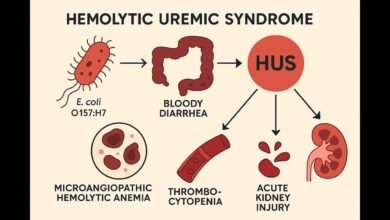
Hemolytic Uremic Syndrome (HUS): When a Gut Infection Attacks the Kidneys
Hemolytic uremic syndrome, often called HUS, is a serious condition affecting the kidneys and blood. It frequently develops after a…
Read More » -
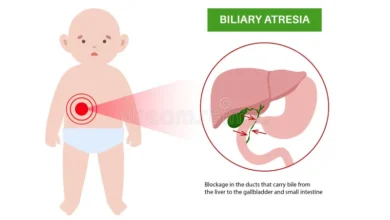
Biliary Atresia: The Liver Condition That Requires Early Diagnosis to Prevent Cirrhosis in Babies
Biliary atresia is a rare liver condition affecting newborns. It blocks or destroys the bile ducts, tiny tubes carrying bile…
Read More » -
Intussusception: The Bowel Obstruction Emergency That Primarily Strikes Infants
Intussusception happens when part of the intestine slides into an adjacent section. Imagine a telescope collapsing into itself; this image…
Read More » -
Childhood Interstitial Lung Disease (chILD): The Rare Pulmonary Conditions in Children
Childhood interstitial lung disease, often called chILD, describes a group of rare lung disorders. These conditions affect the tissue surrounding…
Read More » -
Phenylketonuria (PKU): Why Newborn Screening Changed Everything for This Metabolic Disease
Phenylketonuria, commonly called PKU, is a rare inherited metabolic disorder. It prevents the body from properly breaking down phenylalanine, an…
Read More » -
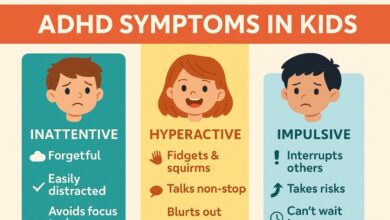
ADHD: Neuroscience, Diagnosis Controversies, and What Actually Helps Children
Attention-deficit/hyperactivity disorder, or ADHD, affects how children focus, behave, and regulate impulses. It’s far more than simple restlessness or poor…
Read More » -
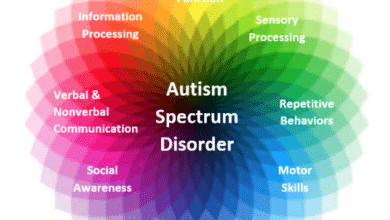
Autism Spectrum Disorder: What the Research Says About Causes, Diagnosis, and Support
Autism spectrum disorder, often called ASD, affects how people communicate and experience the world. It’s a neurodevelopmental condition, meaning it…
Read More » -
Pediatric Autoimmune Neuropsychiatric Disorders (PANDAS): Controversial, Real, and Poorly Understood
PANDAS stands for pediatric autoimmune neuropsychiatric disorders associated with streptococcal infections. This condition describes sudden behavioral changes following a strep…
Read More » -
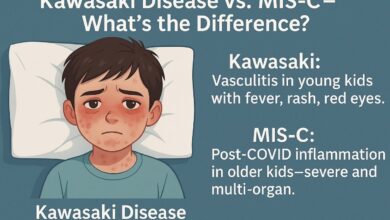
Kawasaki Disease vs MIS-C: Two Inflammatory Syndromes in Children Compared
Kawasaki disease and MIS-C both cause serious inflammation throughout a child’s body. Despite sharing similar symptoms, these conditions have different…
Read More » -
Juvenile Idiopathic Arthritis (JIA): When Joint Inflammation Strikes Children
Juvenile idiopathic arthritis, often called JIA, causes joint inflammation in children. It typically appears before age sixteen. Unlike adult arthritis,…
Read More »