Featured
-

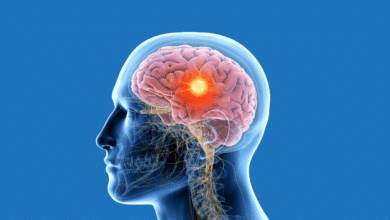
Brain Tumors: Types, Grading, and What a Diagnosis Actually Means
A brain tumor diagnosis can feel immediately overwhelming and deeply frightening. However, this term actually encompasses a remarkably broad range…
Read More » -
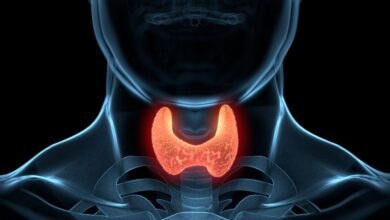
Thyroid Cancer: Why It’s One of the Most Survivable Cancers (and What to Know)
Thyroid cancer develops within the thyroid gland, a small butterfly-shaped structure in the neck. This gland produces hormones regulating metabolism,…
Read More » -
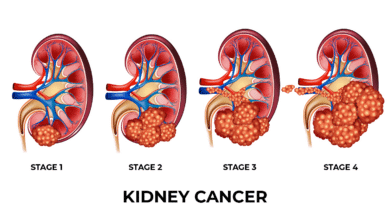
Kidney Cancer (Renal Cell Carcinoma): Symptoms, Types, and Treatment Options
Kidney cancer develops when cells within the kidney begin growing abnormally and uncontrollably. Your kidneys filter waste products from blood…
Read More » -
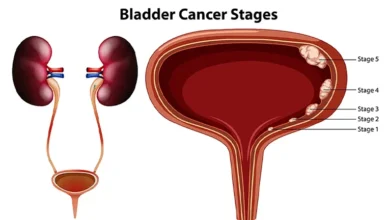
Bladder Cancer: Early Signs, Risk Factors, and What Smoking Has to Do With It
Bladder cancer develops when cells lining the inside of the bladder start growing abnormally. The bladder, a hollow organ in…
Read More » -
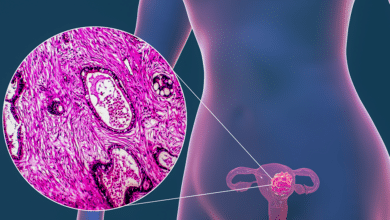
Uterine (Endometrial) Cancer: Risk Factors, Symptoms, and Early Detection
Uterine cancer, also called endometrial cancer, develops within the lining of the uterus. This lining, called the endometrium, sheds monthly…
Read More » -
Ovarian Cancer: The ‘Silent Killer’ — Symptoms That Are Often Dismissed
Ovarian cancer has long carried a troubling reputation for developing quietly and without obvious warning. The symptoms it produces often…
Read More » -
Esophageal Cancer: Why Barrett’s Esophagus Is a Risk Factor You Shouldn’t Ignore
Esophageal cancer develops within the esophagus, the muscular tube connecting your throat to your stomach. This tube plays an essential…
Read More » -
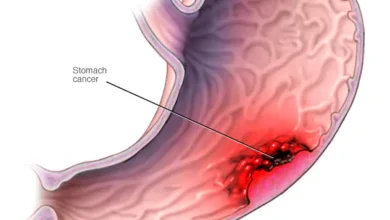
Stomach (Gastric) Cancer: The Silent Disease and Its Early Warning Signs
Stomach cancer, medically called gastric cancer, rarely announces itself during its earliest stages. Most people experiencing early symptoms attribute them…
Read More » -
Liver Cancer (Hepatocellular Carcinoma): Causes, Risk Factors, and Survival Rates
Hepatocellular carcinoma represents the most common type of primary liver cancer. This cancer begins directly within liver cells, called hepatocytes,…
Read More » -
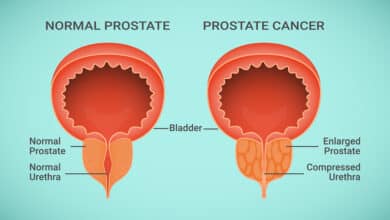
Gleason Score Explained: What Your Prostate Cancer Grade Means
A Gleason score describes how aggressive prostate cancer cells appear under a microscope. Pathologists examine biopsy tissue samples to assign…
Read More » -
Prostate Cancer: Understanding PSA Scores and When to Take Action
PSA stands for prostate-specific antigen, a protein produced by the prostate gland. This protein normally circulates in small amounts within…
Read More » -
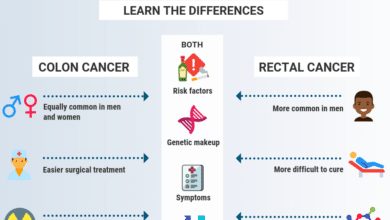
Rectal Cancer vs Colon Cancer: Key Differences in Symptoms and Treatment
Rectal cancer and colon cancer often get grouped together under the term colorectal cancer. While related, these cancers actually develop…
Read More » -
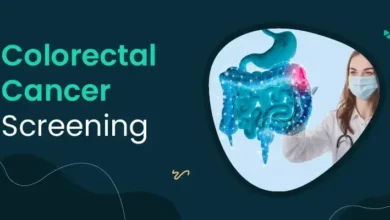
Colorectal Cancer Screening: Which Test Is Right for You?
Colorectal cancer screening saves lives by catching problems before symptoms even appear. This screening can detect cancer early or even…
Read More » -
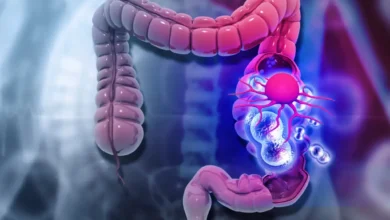
Colon Cancer Symptoms in Young Adults: Why Cases Are Rising in People Under 50
Colon cancer has traditionally been considered an older adult’s disease. However, this pattern has shifted noticeably in recent decades. More…
Read More » -
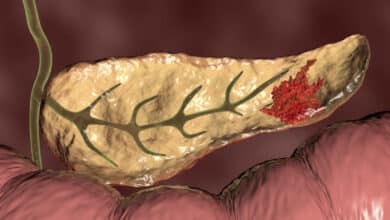
Pancreatic Cancer: Why It’s So Hard to Catch Early and What to Watch For
Pancreatic cancer develops within the pancreas, an organ tucked deep behind the stomach. This gland plays an essential role in…
Read More »