

Editor’s Choice
-
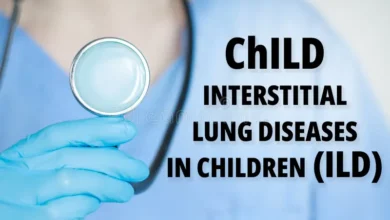
Childhood Interstitial Lung Disease (chILD): The Rare Pulmonary Conditions in Children
Childhood interstitial lung disease, often called chILD, describes a group of rare lung disorders. These conditions affect the tissue surrounding…
Read More » -

Phenylketonuria (PKU): Why Newborn Screening Changed Everything for This Metabolic Disease
Phenylketonuria, commonly called PKU, is a rare inherited metabolic disorder. It prevents the body from properly breaking down phenylalanine, an…
Read More » -
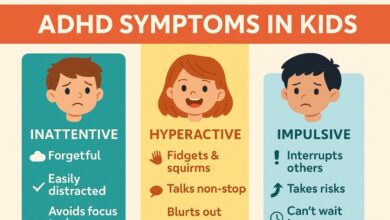
ADHD: Neuroscience, Diagnosis Controversies, and What Actually Helps Children
Attention-deficit/hyperactivity disorder, or ADHD, affects how children focus, behave, and regulate impulses. It’s far more than simple restlessness or poor…
Read More » -
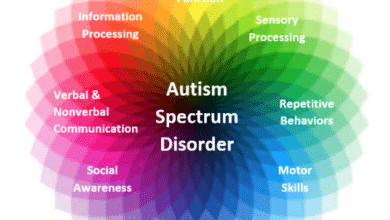
Autism Spectrum Disorder: What the Research Says About Causes, Diagnosis, and Support
Autism spectrum disorder, often called ASD, affects how people communicate and experience the world. It’s a neurodevelopmental condition, meaning it…
Read More » -

Pediatric Autoimmune Neuropsychiatric Disorders (PANDAS): Controversial, Real, and Poorly Understood
PANDAS stands for pediatric autoimmune neuropsychiatric disorders associated with streptococcal infections. This condition describes sudden behavioral changes following a strep…
Read More » -
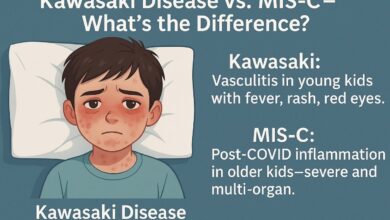
Kawasaki Disease vs MIS-C: Two Inflammatory Syndromes in Children Compared
Kawasaki disease and MIS-C both cause serious inflammation throughout a child’s body. Despite sharing similar symptoms, these conditions have different…
Read More » -
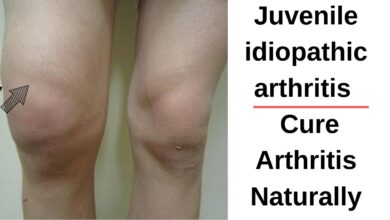
Juvenile Idiopathic Arthritis (JIA): When Joint Inflammation Strikes Children
Juvenile idiopathic arthritis, often called JIA, causes joint inflammation in children. It typically appears before age sixteen. Unlike adult arthritis,…
Read More » -

Postpartum Thyroiditis: The Thyroid Fluctuation After Delivery Most Doctors Miss
Postpartum thyroiditis causes thyroid inflammation after delivery. This inflammation leads to unpredictable swings in thyroid hormone levels. Many new mothers…
Read More » -
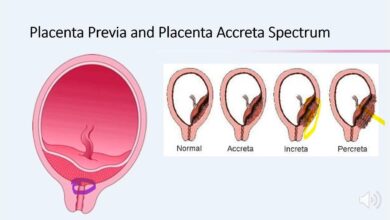
Placenta Previa and Placenta Accreta: High-Risk Pregnancy Conditions Explained
Placenta previa and placenta accreta are two distinct but serious pregnancy complications. Both involve the placenta, the organ nourishing your…
Read More » -
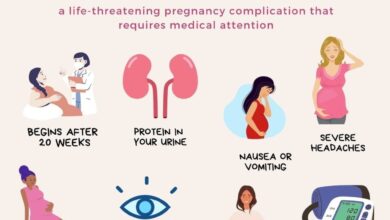
Preeclampsia: The Pregnancy Complication That Can Become Life-Threatening
Preeclampsia is a serious pregnancy complication involving high blood pressure. It typically develops after twenty weeks of pregnancy. Left untreated,…
Read More » -
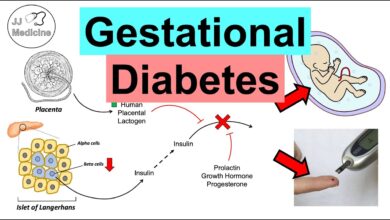
Gestational Diabetes: Short-Term Management and Long-Term Type 2 Risk
Gestational diabetes develops when blood sugar levels rise during pregnancy. It typically appears around the twenty-fourth week of pregnancy. Hormonal…
Read More » -
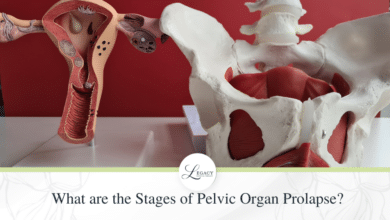
Pelvic Organ Prolapse: Why It Happens and the Non-Surgical Options Available
Pelvic organ prolapse happens when pelvic floor muscles weaken and lose support. As a result, organs like the bladder, uterus,…
Read More » -
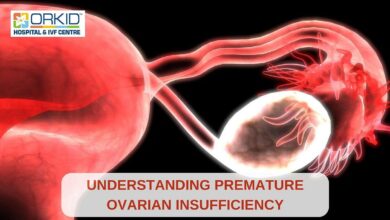
Premature Ovarian Insufficiency (POI): Early Menopause Before 40 Explained
Premature ovarian insufficiency, often called POI, happens when ovaries stop working normally before age forty. Unlike natural menopause, this condition…
Read More » -
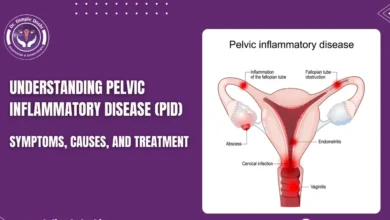
Pelvic Inflammatory Disease (PID): Long-Term Consequences of an Undertreated STI
Pelvic inflammatory disease, often called PID, is an infection of the female reproductive organs. It typically affects the uterus, fallopian…
Read More » -

Ovarian Cysts: Which Ones Resolve on Their Own and Which Don’t
Ovarian cysts are fluid-filled sacs that develop on or inside an ovary. Most women develop at least one cyst at…
Read More »


