Editor’s Choice
-

Aortic Stenosis: Why This Heart Valve Condition Is Increasingly Common in Older Adults
Aortic Stenosis is a serious and increasingly prevalent heart valve condition in which the aortic valve narrows progressively, obstructing blood…
Read More » -
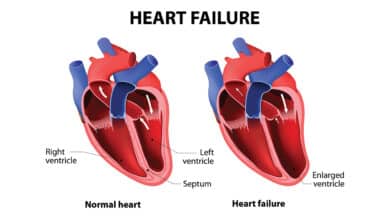
Heart Failure: The Difference Between HFrEF and HFpEF — and Why It Matters
Heart failure is one of the most common and serious cardiovascular conditions worldwide, affecting over 64 million people globally according…
Read More » -
LAM (Lymphangioleiomyomatosis): The Rare Lung Disease Almost Exclusive to Women
Lymphangioleiomyomatosis, universally known as LAM, is a rare and progressive lung disease that almost exclusively affects women. Abnormal smooth muscle-like…
Read More » -
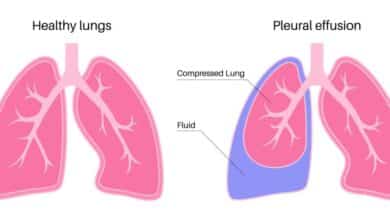
Pleural Effusion: Why Fluid Accumulates Around the Lung and What It Signals
Pleural Effusion is a condition in which excess fluid builds up in the pleural space, the narrow gap between the…
Read More » -
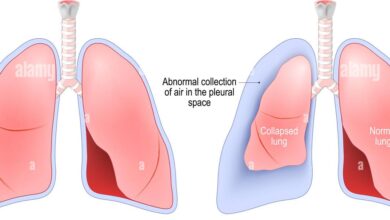
Pneumothorax: When Air Gets Into the Space Around the Lung
Pneumothorax is a serious and potentially life-threatening condition that occurs when air leaks into the space between the lung and…
Read More » -
Central Sleep Apnea: When the Problem Is in the Brain, Not the Airway
Central Sleep Apnea is a sleep disorder where breathing repeatedly stops during sleep, not because the airway is blocked, but…
Read More » -
Obstructive Sleep Apnea: Beyond Snoring — the Heart and Brain Risks Untreated OSA Causes
Obstructive Sleep Apnea is far more than a nighttime nuisance that makes people snore loudly. It is a serious medical…
Read More » -
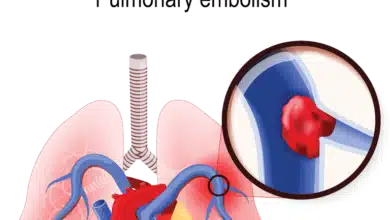
Pulmonary Embolism: How a Blood Clot Reaches the Lungs
Pulmonary Embolism is a life-threatening medical emergency that occurs when a blood clot travels through the bloodstream and lodges in…
Read More » -
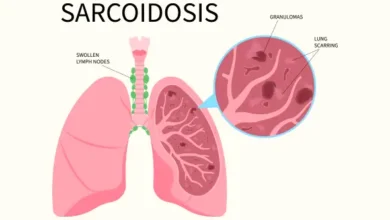
Sarcoidosis: The Granuloma Disease That Can Attack Almost Any Organ
Sarcoidosis is a complex inflammatory disease in which tiny clusters of immune cells, called granulomas, form in various organs throughout…
Read More » -
Hypersensitivity Pneumonitis: When Inhaled Particles Cause Immune Lung Damage
Hypersensitivity Pneumonitis is a serious inflammatory lung condition triggered by an abnormal immune response to inhaled particles. Unlike common allergies…
Read More » -
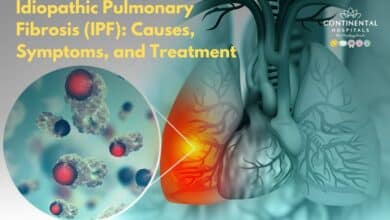
Idiopathic Pulmonary Fibrosis: Scarring of the Lungs With No Known Cause
Idiopathic Pulmonary Fibrosis is a serious, progressive lung disease in which scar tissue gradually replaces healthy lung tissue. The word…
Read More » -
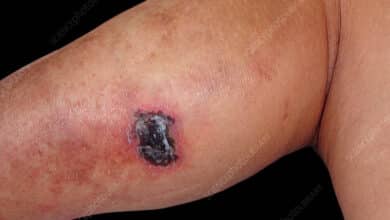
Pyoderma Gangrenosum: The Rare, Destructive Skin Ulceration Linked to IBD
Pyoderma Gangrenosum is a rare, painful, and potentially disfiguring inflammatory skin condition that causes rapidly enlarging ulcers. Despite its alarming…
Read More » -
Epidermolysis Bullosa: The Butterfly Skin Condition Where Skin Breaks Like Wet Paper
Epidermolysis Bullosa (EB) is a rare and painful genetic condition that causes the skin to blister and tear at the…
Read More » -
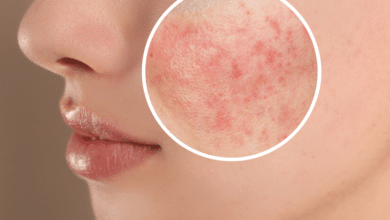
Rosacea: Beyond Flushing — What’s Actually Happening in the Skin
Most people assume rosacea is simply a tendency to blush easily or have sensitive skin. The reality is considerably more…
Read More » -
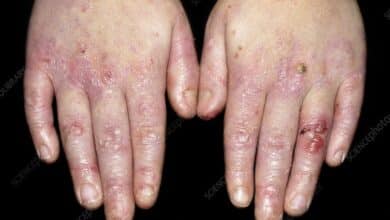
Lichen Planus: The Itchy Purple Rash That Can Affect Skin, Nails, and Mouth
A rash that is intensely itchy, distinctly purple, and appears simultaneously on the wrists, mouth, and nails presents a clinical…
Read More »