

Banking Expectations for Budget 2026: Anticipated Pension Changes, Insurance Reforms, and Tax Relief

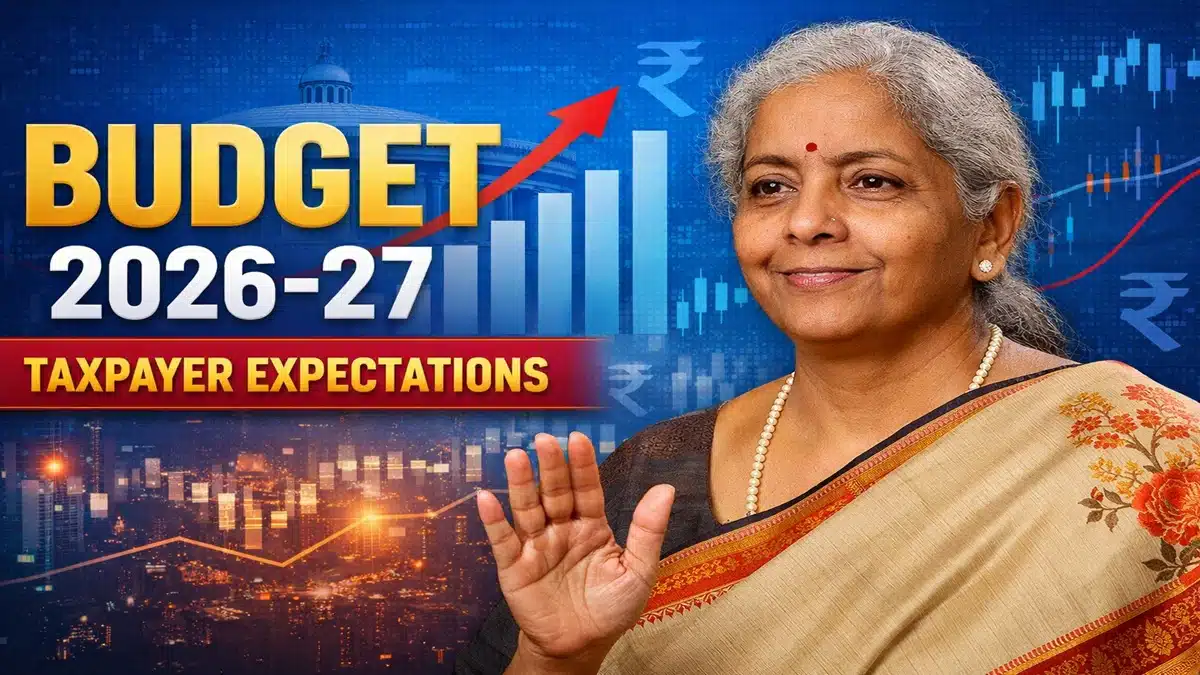
Union Budget 2026 is approaching, and various sectors are voicing their expectations from the government. A recent report by the State Bank of India (SBI) highlights this Budget as a crucial opportunity for the central government to implement reforms in taxation, insurance, and pension schemes. These reforms aim to boost household savings, simplify compliance, and enhance social security coverage. The report also notes a concerning decline in bank deposits as a share of household financial savings, prompting SBI to recommend several tax relief measures to encourage greater participation in the banking system.
Tax Reforms to Encourage Savings
The SBI report emphasizes the need for significant tax reforms to stimulate household savings. It reveals a decline in bank deposits, which fell from 38.7% in FY24 to 35.2% in FY25. To counter this trend, SBI suggests aligning the tax treatment of interest income on bank deposits with long-term and short-term capital gains. The report advocates for tax treatment on interest from deposits to be on par with long-term capital gains (LTCG) and short-term capital gains (STCG). Furthermore, SBI proposes reducing the lock-in period for tax-saving fixed deposits to three years, making them comparable to Equity Linked Savings Schemes (ELSS). This change aims to enhance deposit mobilization and attract more savers into the banking system. Additionally, the report calls for the removal of Tax Deducted at Source (TDS) on savings bank deposit interest or an increase in the threshold to alleviate the burden on small savers.
Indirect Tax Recommendations
On the indirect tax front, SBI has made several recommendations regarding the Goods and Services Tax (GST) provisions related to Input Service Distributors (ISD). The report suggests replacing the phrase “for or on behalf of distinct persons” with “for the benefit of distinct persons” in the GST Act of 2017. This change aims to provide clarity and reduce litigation surrounding GST applications. SBI also recommends deleting certain provisions and adding an explanation to Section 20(3) to allow banks to accept ISD distributions without disputes over valuation. The report highlights practical challenges faced by banks in applying GST TDS on payments, such as interchange fees processed through settlement agencies like NPCI, Visa, and MasterCard. As these payments are settled in real-time, banks are required to pay GST TDS before receiving detailed invoices, complicating the refund process. SBI argues that GST TDS should not apply to banking services to streamline operations.
Insurance Sector Concerns
The SBI report also addresses the declining penetration rates in the insurance sector, which fell to 3.7% in FY25 from 4% in FY23 and 4.2% in FY22, according to data from the Insurance Regulatory and Development Authority of India (IRDAI). This decline raises concerns, especially in light of IRDAI’s goal of achieving “Insurance for All by 2047.” The report notes that a significant portion of complaints—approximately 69% in FY25—were related to claims, indicating a pressing need for reforms, particularly in health insurance. The decline in life insurance penetration further underscores the urgency for the government to address these issues in the upcoming Budget.
Observer Voice is the one stop site for National, International news, Sports, Editor’s Choice, Art/culture contents, Quotes and much more. We also cover historical contents. Historical contents includes World History, Indian History, and what happened today. The website also covers Entertainment across the India and World.

