

India Becomes Key Supplier for 70% of Russia’s Fuel Imports Amid Ukrainian Drone Strikes on Refineries

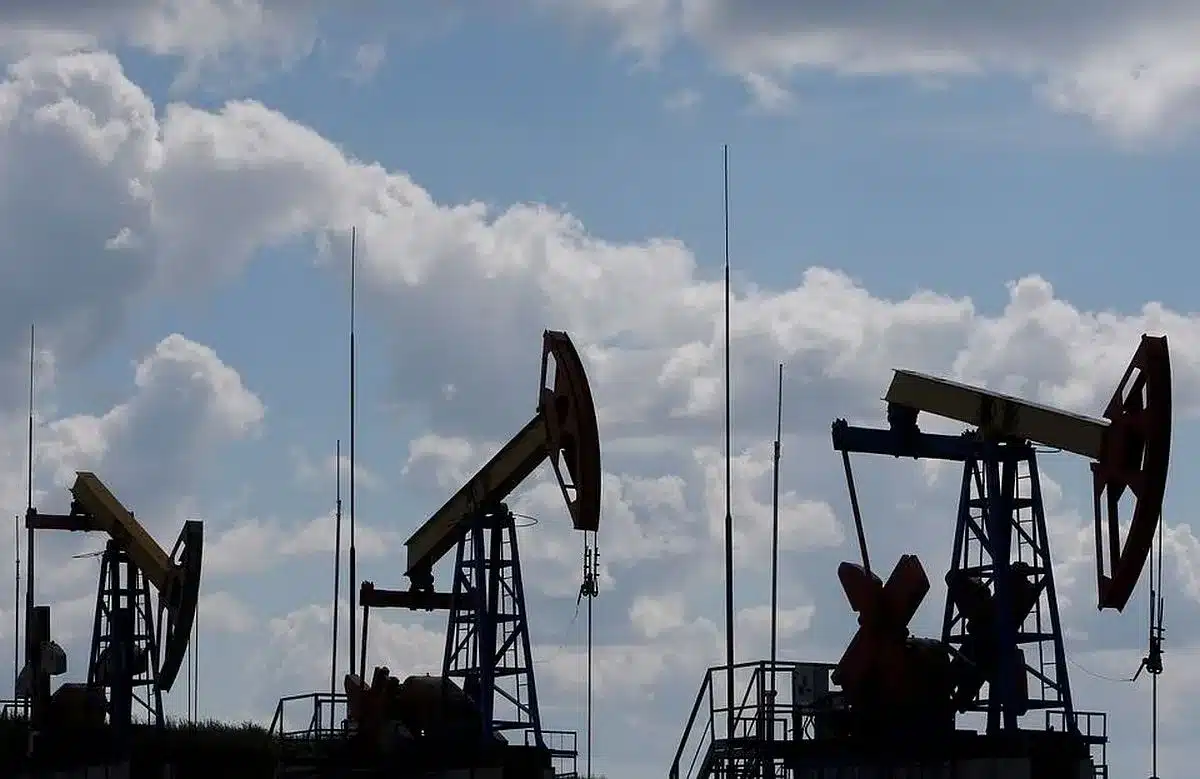
India has become the largest supplier of fuel to Russia, providing 70% of its oil imports in August. This surge comes as Ukrainian drone strikes have disrupted Russian refinery operations, leading to a significant increase in fuel imports. Russia imported 172,000 tonnes of oil products during the month, marking a record high and more than seven times its previous monthly average.
According to the Centre for Research on Energy and Clean Air (CREA), India exported 120,000 tonnes of gasoline to Russia, valued at 78 million euros. All gasoline shipments originated from the Vadinar refinery, operated by Nayara Energy, which is partially owned by Rosneft. The refinery has sourced all its crude from Russia in the first eight months of 2026, a notable increase from 81% in 2025. CREA noted that Russia is effectively paying a refinery it partly owns to process its crude, which it can no longer refine domestically.
The increase in imports coincides with a sustained Ukrainian drone campaign targeting Russian oil refineries, which has led to reduced domestic fuel production. Each gasoline shipment from Vadinar to Russia underwent a ship-to-ship transfer off the coast of Egypt before reaching the Arctic port of Beloe More. The vessels involved in these operations were sanctioned tankers, with several having previously operated under false flags.
Gasoline Dominates Imports
Gasoline constituted 74% of Russia’s total oil-product imports in August, a sharp rise from an average of just 6% between 2023 and 2025. South Korea and Egypt also contributed to Russia’s oil imports, supplying 18,000 tonnes and 25,000 tonnes of oil products, respectively. The increase in imports comes as Russia’s own oil-product exports have declined, with seaborne exports dropping 21% in volume and revenues falling 32% from July.
Russian oil-product loadings at ports have decreased for three consecutive months, now less than half of what they were in August 2025. The Tuapse port, previously a major export hub, has not loaded any oil-product cargo for three months due to ongoing Ukrainian drone attacks. Additionally, crude exports through the Black Sea port of Novorossiysk saw a 58% month-on-month decline in August, with the port experiencing its longest interruption since the start of the full-scale invasion.
India Maintains Strong Trade with Russia
In August, India remained Russia’s second-largest fossil-fuel customer, following China. Indian imports of Russian hydrocarbons totaled 4.8 billion euros, with crude oil making up 4.1 billion euros, or 87% of these purchases. However, Indian imports of Russian crude fell by 24% from July, despite record levels in previous months. While imports at the Jamnagar refinery decreased by 15%, those at Vadinar and Paradip saw slight increases.
China, on the other hand, accounted for 8.4 billion euros, or 51%, of Russia’s fossil-fuel revenues from its five largest buyers. Russian seaborne crude imports into China rose by 16% month-on-month and were 62% higher than in August 2025. Overall, Russia’s fossil-fuel export revenues fell by 8% in August to 604 million euros per day, with export volumes declining by 7%. Despite this, Russia benefited from higher global energy prices, with the average price of Urals crude rising to $69.90 a barrel, significantly above the G7 and EU price cap.
Observer Voice is the one stop site for National, International news, Sports, Editor’s Choice, Art/culture contents, Quotes and much more. We also cover historical contents. Historical contents includes World History, Indian History, and what happened today. The website also covers Entertainment across the India and World.

