

Russia Shifts Focus to Asia for Refined Fuel Imports, Anticipating 270,000 Tonnes in August

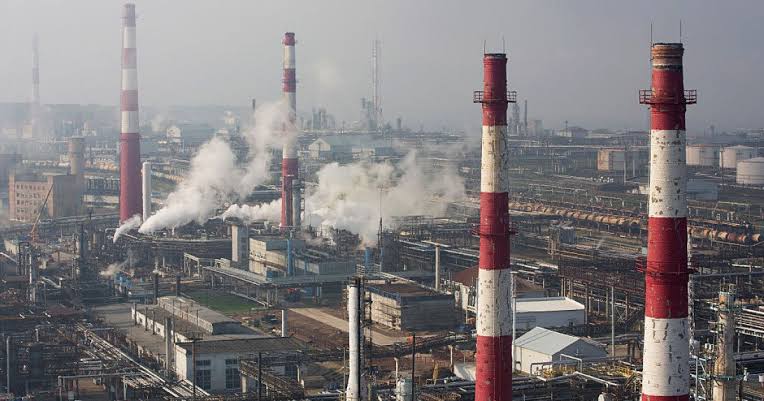
Russia is set to import nearly 270,000 metric tonnes of refined fuel from Asia this month, primarily due to ongoing Ukrainian attacks on its oil refineries that have significantly reduced domestic production. This marks a notable shift for Russia, which is typically a major net exporter of refined petroleum products. The imports are being facilitated through ship-to-ship transfers, a method that complicates the tracing of the fuel’s origins.
India accounts for a third of Russia’s August fuel imports
Approximately one-third of the refined fuel headed to Russia in August originated from India, with the remainder sourced from countries like South Korea and Malaysia. The use of ship-to-ship transfers is likely aimed at obscuring the cargoes’ origins, as trade with Russia can expose companies and vessels to Western sanctions. Notably, there were no comparable fuel shipments to Russia in July.
Two tankers are expected to arrive in Russia’s Far East this week. One tanker is carrying at least 40,000 tonnes of jet fuel loaded near Malaysia’s Johor Strait, reportedly originating from India. Another tanker has nearly 30,000 tonnes of gasoline, loaded off Yeosu in South Korea in early August. Additionally, nearly 30,000 tonnes of refined fuel were shipped to Russia from South Korea in late July.
Russia tightens export curbs as domestic shortages worsen
In response to the domestic fuel supply crunch, Moscow has implemented restrictions on its own fuel exports. The country banned gasoline exports in April, followed by jet fuel in June and diesel in early July. These restrictions have been extended until January next year to bolster domestic supplies. The need for imports is significant, given Russia’s historical role as a major exporter of refined petroleum products.
Ukrainian forces have targeted Russian energy facilities throughout the conflict, aiming to disrupt a key revenue source for Moscow and its military operations. The recent imports underscore the impact of these attacks on Russia’s refining capabilities and domestic fuel market.
India’s growing role in Russia’s energy trade
India’s energy relationship with Russia remains substantial, particularly in crude oil. In July, Indian imports of Russian crude reached a record 50.83% of its total crude imports, equating to approximately 2.47 million barrels per day. Indian refiners’ purchases of Russian crude were 62.4% higher than a year earlier, despite a 4.8% decline from June’s record levels.
During the period from April to July, Russia accounted for about 43.25% of India’s crude imports, averaging over 2 million barrels per day. This increase occurred despite pressure on Indian refiners to reduce their Russian crude purchases. Although buying had slowed earlier this year due to concerns over higher U.S. tariffs, disruptions in Middle Eastern supplies prompted Indian refiners to continue sourcing Russian crude.
The recent refined fuel shipments illustrate another aspect of India’s role in the Russia-linked energy trade. While India remains a major customer for Russian crude, fuel processed or sourced through Asia is now also being sent back to Russia as the country grapples with domestic shortages. However, the expanding energy trade faces geopolitical risks, including a recent U.S. Senate proposal for 100% tariffs on buyers of Russian oil, pending approval from the House of Representatives.
Observer Voice is the one stop site for National, International news, Sports, Editor’s Choice, Art/culture contents, Quotes and much more. We also cover historical contents. Historical contents includes World History, Indian History, and what happened today. The website also covers Entertainment across the India and World.

