

Rupee Banknotes in Circulation Outnumber Dollar Bills Threefold and Euro Notes by Nearly Six Times

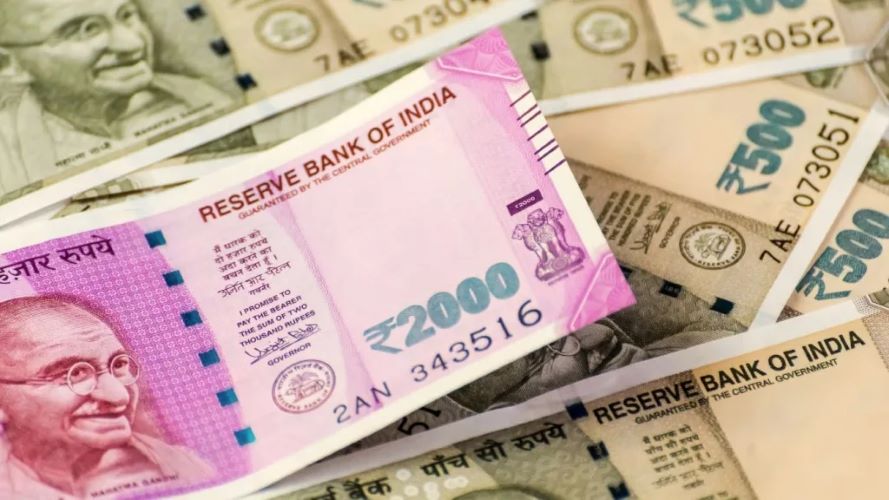
MUMBAI: The Reserve Bank of India (RBI) has revealed that there are currently 176 billion rupee banknotes in circulation, significantly outnumbering US dollar bills and euro notes. According to RBI Deputy Governor Shirish Chandra Murmu, there are three times as many rupee notes as US dollar bills and nearly six times as many as euro notes. The RBI is focused on managing the costs associated with currency production by extending the lifespan of banknotes through the use of polymer materials.
Murmu stated that the RBI produces between 28 and 30 billion banknotes annually across six denominations, while disposing of approximately 21 billion pieces each year. He highlighted that the volume of currency in circulation reflects India’s unique denomination mix, which leans towards lower-value notes, necessitating a larger number of pieces for transactions of equivalent value. This logistical challenge was discussed during his keynote address at a cash management conference in Jakarta on August 13.
Currency Demand Projections
The RBI projects currency demand five years into the future, distinguishing between transactional and replacement demand. Transactional demand is influenced by factors such as GDP growth, inflation, interest rates, and the rise of digital payments. In contrast, replacement demand pertains to the need to withdraw old and unfit notes. Despite the growth of digital payment methods, cash circulation continues to increase at double-digit rates, a phenomenon Murmu referred to as a “cash paradox.”
India’s currency production involves a network of banknote paper mills, currency printing presses, and ink production units managed by the RBI and the government. The central bank’s Clean Note Policy, established in 1999, mandates the availability of high-quality notes and the continuous replacement of unfit currency. The RBI distributes currency through 19 regional offices and a network of currency chests operated by commercial banks, cooperative banks, and government treasuries.
Currency Distribution and Sustainability Efforts
Currency chests play a crucial role in the circulation process, collecting and sorting notes before sending damaged ones for disposal. This network was instrumental during the 2016 demonetisation and the recent withdrawal of Rs 2,000 notes. Murmu indicated that the RBI is exploring methods to enhance the durability of banknotes, including surface coatings and polymer notes for lower denominations.
Additionally, the RBI is focused on reducing the carbon footprint associated with cash circulation. Efforts include improving the efficiency of the distribution network and finding sustainable uses for banknote briquettes after disposal. Murmu emphasized the importance of maintaining trust in cash as a payment method, highlighting the need for clean notes and secure logistics to uphold monetary sovereignty.
Observer Voice is the one stop site for National, International news, Sports, Editor’s Choice, Art/culture contents, Quotes and much more. We also cover historical contents. Historical contents includes World History, Indian History, and what happened today. The website also covers Entertainment across the India and World.

