

Carmakers Raise Alarm Over Fuel Contamination Issues; Complaint Subsequently Withdrawn

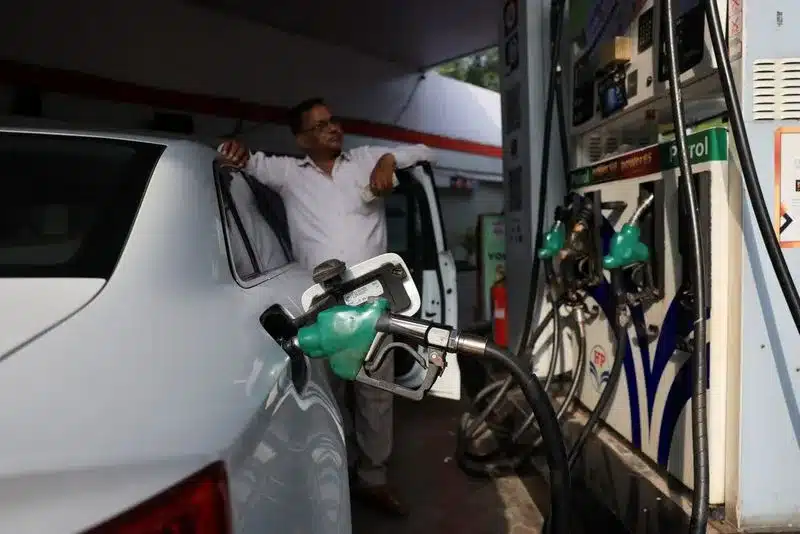
Amid growing concerns over the impact of ethanol-blended E20 petrol on vehicles, internal communications among auto industry executives have revealed significant worries about fuel contamination. Since April 1, when E20 became the only petrol available in India, motorists have reported decreased mileage and increased wear and tear on their vehicles. Some have even initiated legal challenges against the rollout of this new fuel.
The Society of Indian Automobile Manufacturers (SIAM) had previously warned that elevated chloride levels in E20 could corrode automotive components, while excessive moisture could cause vehicles to malfunction shortly after refueling. Just hours after the government assured the public that E20 was safe, SIAM withdrew a complaint regarding fuel contamination, citing the need for further verification of some data.
Auto Industry Concerns
Despite publicly supporting the government’s E20 initiative, automakers have privately expressed concerns about contaminants like chloride and moisture affecting vehicle performance. Following public criticism, SIAM retracted its July 28 letter on fuel contamination, stating that “some numbers” required “authentication.”
Emails and data reviewed by Reuters indicate that several automakers conducted extensive testing, collecting over 250 fuel samples from retail outlets across 21 states and Union territories. Their analysis found elevated chloride levels in samples from 18 states, along with high moisture content. SIAM clarified that the internal communications were meant for validation and review and involved only a few manufacturers.
Rigorous Testing
Petroleum Minister Hardeep Singh Puri announced that state-run oil marketing companies began “rigorous testing” of fuel samples two weeks before SIAM’s letter was submitted. The minister reported only four instances of contamination during this exercise. State-owned fuel retailers also stated that extensive testing found “no cause for any alarm” regarding fuel contamination.
Mahindra has rejected interpretations of the internal emails, calling the conclusions “baseless and incorrect.” The company stated that the data was preliminary and limited, asserting that it had not observed any issues with E20 fuel. Maruti Suzuki and Tata Motors did not respond to requests for comment.
What Auto Industry Data Shows
Internal emails among executives from Maruti Suzuki, Tata Motors, Mahindra, and SIAM revealed specific concerns about high chloride levels detected during testing. Maruti’s Anoop Bhat noted in a July 26 email that the issue had been discussed with the Ministry of Petroleum and Natural Gas.
The industry’s data indicated chloride levels ranging from 6 to 570 parts per million (ppm) in Rajasthan, 1.4 to 420 ppm in Delhi, and 10 to 357 ppm in Maharashtra, while the government has set a maximum permissible chloride level of 3 ppm. Moisture levels were also found to be significantly higher than the permissible limit, with readings as high as 13,000 ppm in Andhra Pradesh and 12,500 ppm in Uttar Pradesh.
SIAM’s withdrawn letter suggested that chloride levels had increased since the introduction of E20 and urged the government to investigate the underlying causes. The letter also pointed to inadequate maintenance of underground storage tanks and pipelines as a potential reason for moisture contamination.
Observer Voice is the one stop site for National, International news, Sports, Editor’s Choice, Art/culture contents, Quotes and much more. We also cover historical contents. Historical contents includes World History, Indian History, and what happened today. The website also covers Entertainment across the India and World.
Follow Us on Twitter, Instagram, Facebook, & LinkedIn

