

Emerging GCCs Transform India’s Engineering Strategies | Bengaluru News

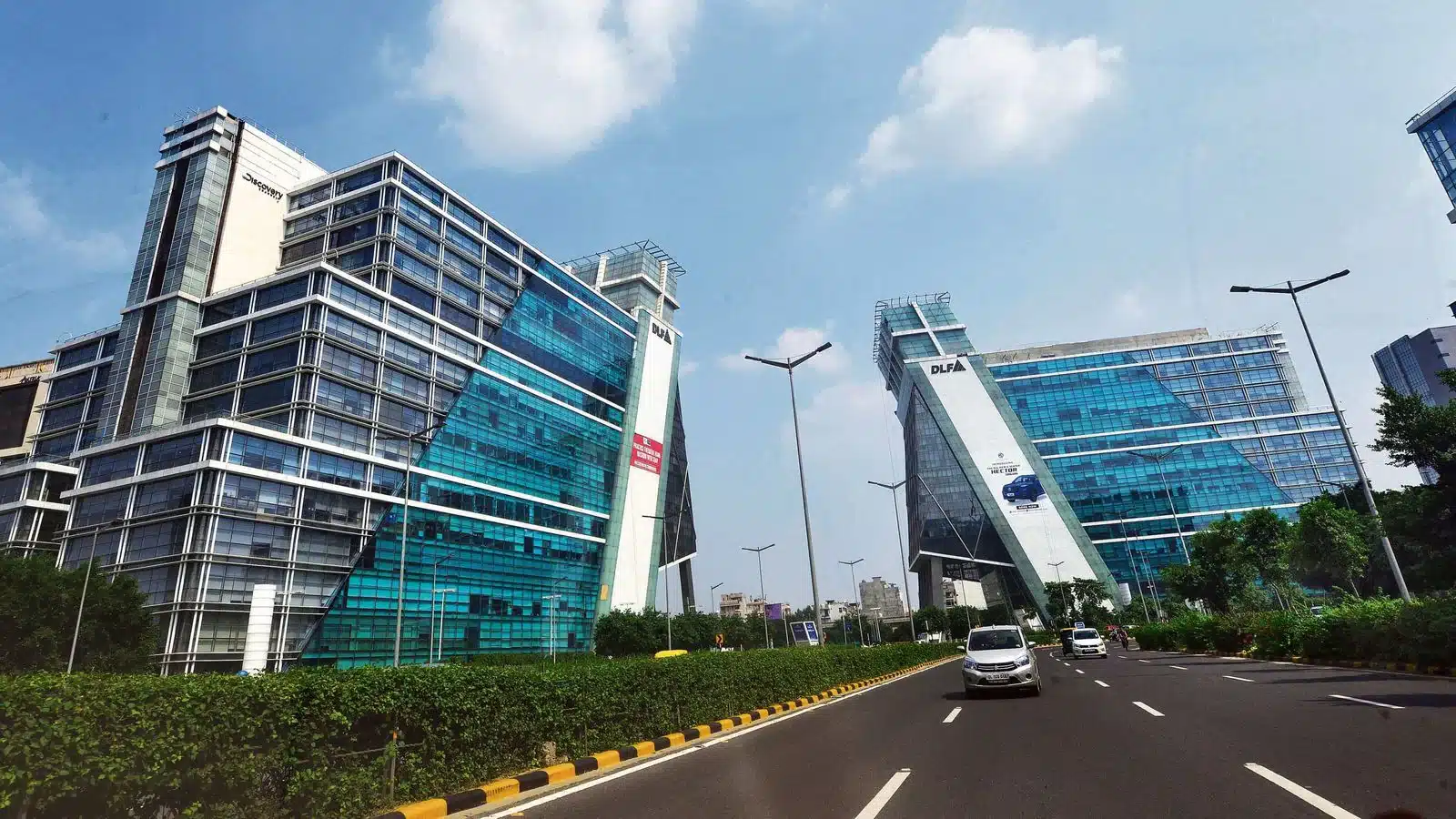
BENGALURU: The global capability centre (GCC) model is evolving towards smaller, engineering-led teams focused on artificial intelligence (AI) and product engineering. Companies are prioritizing specialized capabilities over sheer headcount, as evidenced by data from IT industry body Nasscom, which shows that over 420 GCCs in India belong to parent firms with revenues below $100 million. This trend reflects a shift towards technology and product development.
Bose Professional’s Mangaluru R&D centre exemplifies this change. Initially starting with one employee, the centre has expanded to 25 and aims to grow to 75, according to CEO John Maier. The company is also increasing in-house product development to enhance efficiency and accelerate innovation.
Nasscom has identified smaller specialized GCCs such as McCain Foods, CoreStack, Blueshift, Veryon, Greenlight, and Ava Care. Arindam Sen, GCC sector leader at EY India, emphasized that smaller GCCs should not be viewed as fundamentally different due to their size. He noted that revenue does not dictate the scale of a GCC, as a $1 billion company might start with a smaller team compared to a $60 billion enterprise that may establish a larger centre.
The nature of work at these centres is shifting. Newer GCCs are concentrating on AI, product engineering, cybersecurity, and advanced analytics, moving away from traditional transactional functions. Sen pointed out that access to specialized talent and faster product development can justify maintaining a smaller workforce.
Lalit Ahuja, founder of ANSR, stated that AI is transforming GCC economics, enabling companies to achieve more with smaller teams. Some firms are reducing initial workforce projections by 30% to 50%, recalibrating plans from 5,000 employees to around 3,000. AI-native GCCs often maintain a core workforce of 50% to 70%, supplemented by flexible talent and service partners.
Nitika Goel, managing partner at Zinnov, described the sub-$100 million segment as a launchpad for growth. Companies typically take six to ten years to surpass $100 million in revenue, but those in AI and deep-tech can grow 40% to 70% annually, reaching this milestone in two to three years. Goel argued that headcount is not a sufficient measure of a centre’s significance.
She highlighted the importance of value density, noting that the ownership of a global product or critical AI capability is more relevant than size. Goel also mentioned that the GCC model is becoming more accessible, with centres potentially becoming viable within 12 to 24 months, compared to the traditional three to five years.
Sen concluded that return on investment should be linked to outcomes. For product engineering centres, metrics could include release velocity and revenue impact, while AI centres might be assessed based on productivity improvements and value realized.
Observer Voice is the one stop site for National, International news, Sports, Editor’s Choice, Art/culture contents, Quotes and much more. We also cover historical contents. Historical contents includes World History, Indian History, and what happened today. The website also covers Entertainment across the India and World.

