

Textile Companies Prepare for Changes as Free Trade Agreements Take Effect

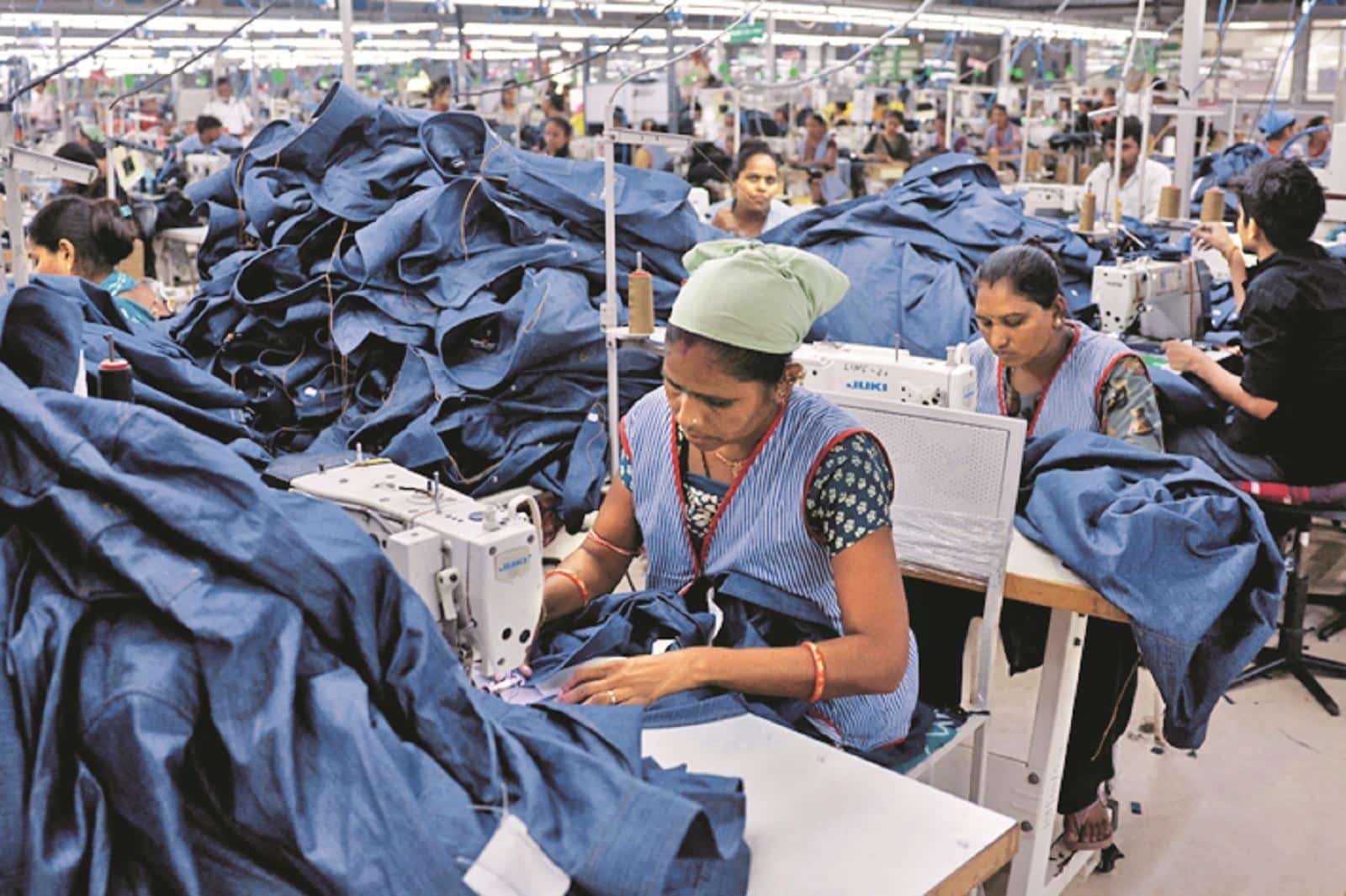
CHENNAI: The Indian textile industry is optimistic about export prospects following the implementation of key free trade agreements (FTAs). The recent deal with the UK, which took effect on Wednesday, eliminates tariffs of up to 12%, aligning Indian exporters with competitors like Bangladesh and Vietnam. However, industry leaders caution that challenges such as supply chain fragmentation and longer lead times may hinder India’s ability to fully capitalize on these opportunities.
Demand Pull from Established Relationships
Prabhu Dhamodharan, convener of the Indian Texpreneurs Federation, noted that the FTA is already generating significant demand. He highlighted that Indian exporters have established relationships with UK buyers, including major brands and supermarkets like Primark, Next, Tesco, and M&S. This existing rapport allows for a quick ramp-up in exports. Dhamodharan reported an influx of inbound requests and trial orders, driven by concerns over supply concentration and political stability. He anticipates that exports could double to 12% over the next four to five years.
Investment in Automation and Capacity
Medium and small-scale companies are exploring incremental automation technologies and may invest in capacity expansion and modernization once they gain clarity on orders and potential returns. Currently, India holds a 6% share of the UK’s apparel imports. Despite the tariff advantages, the industry faces challenges in competing on cost due to fragmented supply chains and higher input costs, particularly for man-made fibers and cotton fabric.
Experts have indicated that the challenges affect both high-volume and value-added segments, particularly in cotton textiles, where India has a robust domestic ecosystem. A medium-scale exporter, speaking anonymously, mentioned that cost differences could range from 20% to 30%, primarily due to elevated man-made fabric costs. Industry stakeholders believe that government incentives are necessary to bolster the MMF fabric ecosystem and enhance the domestic cotton supply chain.
Structural Challenges Persist
Hitesh Jain, a strategist at Yes Securities, expressed concerns that the textile sector may not leverage FTAs as effectively as the auto or pharmaceutical industries. He pointed out that while trade agreements can improve market access, the sector faces structural challenges that could limit sustained export growth. Jain’s analysis indicates that declining competitiveness and shifting global demand patterns, particularly as countries like Vietnam benefit from the “China plus one” strategy, may restrict the advantages gained from tariff liberalization.
Additionally, he noted that recent currency weakness has adversely affected exporters. High import dependence has led to increased landing costs, undermining export competitiveness even amid the rupee’s depreciation.
Observer Voice is the one stop site for National, International news, Sports, Editor’s Choice, Art/culture contents, Quotes and much more. We also cover historical contents. Historical contents includes World History, Indian History, and what happened today. The website also covers Entertainment across the India and World.

