

Government Reveals E20 Production Costs Exceed Those of Pure Petrol

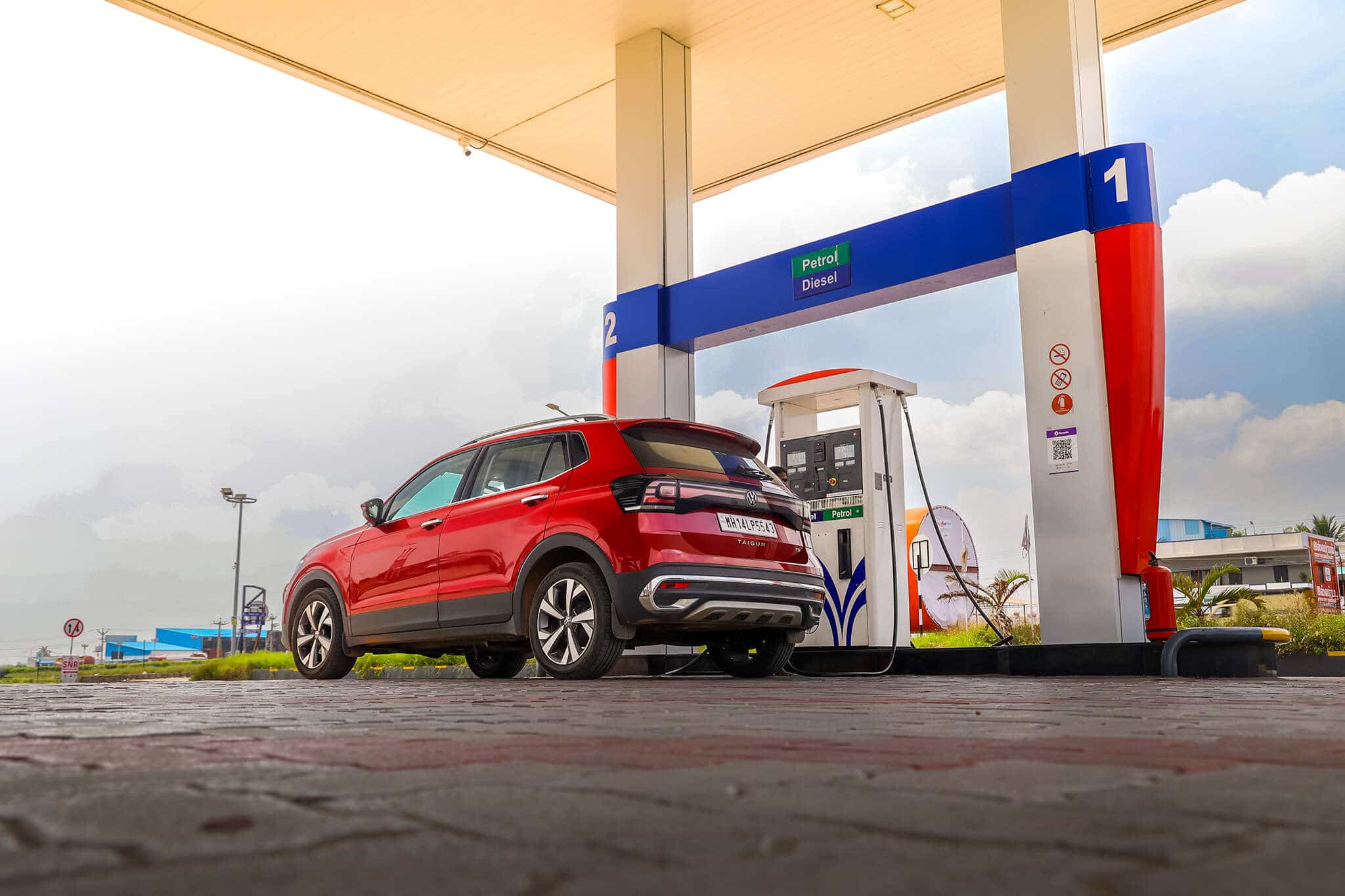
NEW DELHI: The Ministry of Petroleum and Natural Gas has clarified that the production of E20 petrol is currently more expensive than pure petrol due to prevailing global crude oil prices. However, the ministry emphasized that the ethanol blending program has shielded Indian consumers from volatile international oil prices and bolstered the country’s long-term energy security.
The clarification follows recent social media claims suggesting that E20 fuel damages vehicle engines and significantly reduces mileage. The government has rejected these assertions, stating that it is not planning to increase ethanol blending beyond 20 percent without adequate testing. In a detailed FAQ on the Ethanol Blended Petrol Programme, the ministry explained that the economics of ethanol are closely tied to global crude oil prices.
The ministry noted that maize-based ethanol is currently procured at approximately Rs 71.86 per litre before additional costs. If crude oil prices hover around US$70 per barrel, E20 becomes costlier to produce than pure petrol. However, if crude prices rise to US$120-130 per barrel, ethanol becomes more economical. The ministry posed the question of how India has managed to protect consumers from the full impact of fluctuating global crude prices.
The ministry stated that nearly 20 percent of every litre of petrol sold in India is now made from domestically produced ethanol. This reduces reliance on imported crude oil and helps insulate fuel costs from international price fluctuations. The continued blending of ethanol is expected to enhance India’s energy security by decreasing crude oil imports and stabilizing fuel prices.
According to the ministry, the Ethanol Blended Petrol Programme has saved over Rs 1.97 lakh crore in foreign exchange, substituted nearly 316 lakh metric tonnes of crude oil, and reduced around 952 lakh metric tonnes of carbon dioxide emissions. Additionally, it has transferred more than Rs 1.66 lakh crore directly to farmers.
The transition to E20 has been a gradual process over more than two decades, involving consultations with automobile manufacturers, oil marketing companies, and other stakeholders. Petroleum Minister Hardeep Singh Puri recently dismissed claims about E20 fuel causing engine damage as a misinterpretation. He stated that there is no evidence of engine damage in compatible vehicles and that both automobile manufacturers and service providers have reported no issues with the fuel.
Puri also addressed speculation regarding the introduction of higher ethanol blends, such as E25, clarifying that tests are ongoing and no decisions will be made until findings are reviewed with stakeholders. The government maintains that the ethanol blending program is supported by scientific studies and extensive testing. While some older, non-E20-compatible vehicles may experience a slight reduction in fuel efficiency, studies have found no significant engine durability or performance issues with E20-compatible vehicles.
Observer Voice is the one stop site for National, International news, Sports, Editor’s Choice, Art/culture contents, Quotes and much more. We also cover historical contents. Historical contents includes World History, Indian History, and what happened today. The website also covers Entertainment across the India and World.

