

Price Increases in Petrol and Diesel May Elevate Inflation and Transport Expenses, According to Crisil

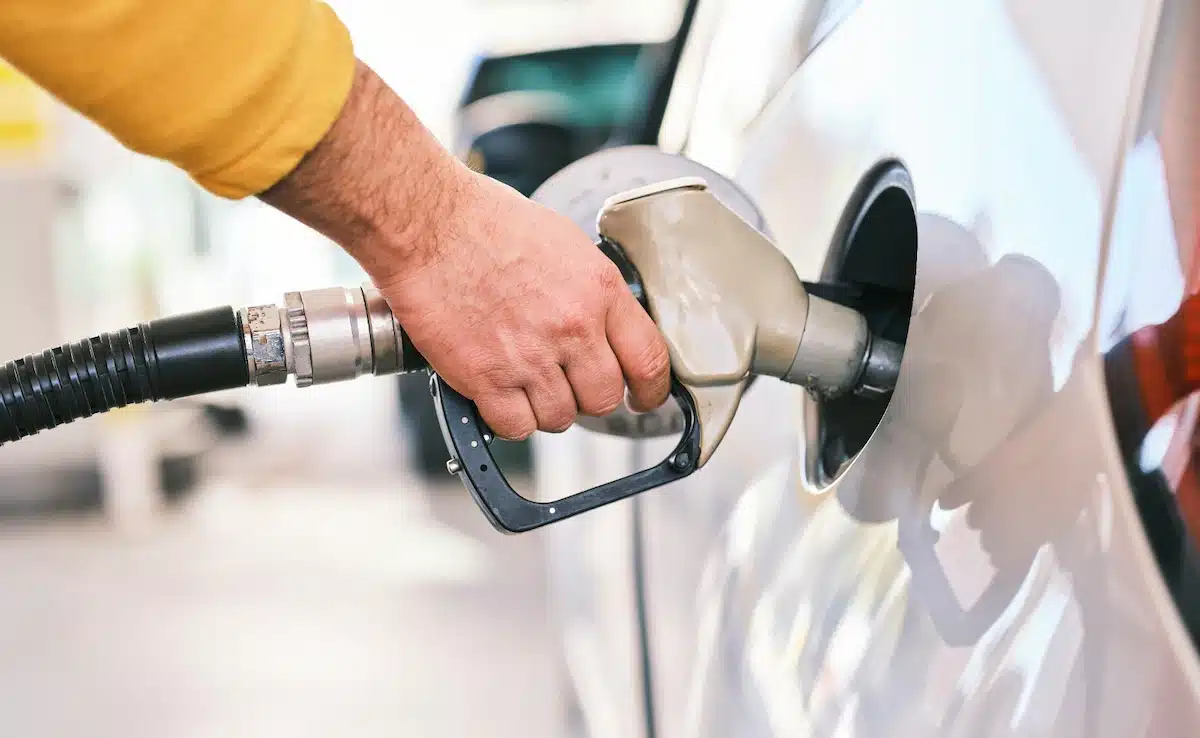
Rising petrol and diesel prices are poised to reignite inflationary pressures in India, impacting transportation, logistics, and manufacturing costs. A report by Crisil, released on Tuesday, indicates that these increases could affect food and consumer goods prices in the coming months. Since May 15, petrol and diesel prices have surged by approximately Rs 7.5 per litre, with further hikes likely if global crude oil prices remain high.
Impact on Inflation Metrics
Crisil forecasts that a Rs 7.5-per-litre increase in fuel prices could directly contribute around 36 basis points to Consumer Price Index (CPI) inflation. Should cumulative increases reach Rs 10 per litre, the impact could escalate to nearly 48 basis points. The report emphasizes that higher fuel prices will not only affect direct costs but will also propagate inflationary pressures through increased freight and logistics expenses.
Road transport, which accounts for about 71% of India’s freight movement, relies heavily on fuel, which constitutes nearly 42% of operating costs. The report states, “The increase in retail fuel prices will directly impact these freight cost structures and feed into prices across supply chains in the coming months.”
Sectors Most Affected
Food categories that rely heavily on transportation, such as dairy, tea, coffee, fruits, pulses, spices, eggs, meat, and fish, are expected to experience the most significant impact. Crisil warns that the fading of a favorable base effect could further accelerate food inflation in the upcoming quarters. Additionally, core inflation risks are highlighted as manufacturers face rising costs for crude oil, petroleum products, and natural gas, alongside increasing transportation expenses.
Industries such as clothing, consumer electronics, wood products, and construction materials are among the most transport-intensive and are likely to pass on these costs to consumers. Manufacturers of chemicals, coal, and metal-related products may also see higher input costs. With demand conditions remaining stable, companies may opt to pass on these costs or implement shrinkflation strategies to maintain profit margins.
Potential Mitigating Factors
Crisil notes that some inflationary impacts could be mitigated by GST rate cuts announced in September 2025 for various mass-consumption categories, including electronics, automobiles, clothing, processed foods, and fast-moving consumer goods. However, the report cautions that these tax reductions are unlikely to fully counteract the effects of persistently high energy prices.
Crude oil prices have averaged around USD 112 per barrel in the first two months of the current financial year, significantly above Crisil’s base-case assumption of USD 95 per barrel for the full year. Although headline inflation remains below the Reserve Bank of India’s 4% target, Crisil anticipates an upward trend in inflation, likely staying within the RBI’s 2-6% tolerance band. The RBI is expected to monitor household inflation expectations and the risks posed by rising transportation and input costs closely.
Observer Voice is the one stop site for National, International news, Sports, Editor’s Choice, Art/culture contents, Quotes and much more. We also cover historical contents. Historical contents includes World History, Indian History, and what happened today. The website also covers Entertainment across the India and World.

