

Bile Duct Cancer (Cholangiocarcinoma): Symptoms and Why It’s Difficult to Diagnose

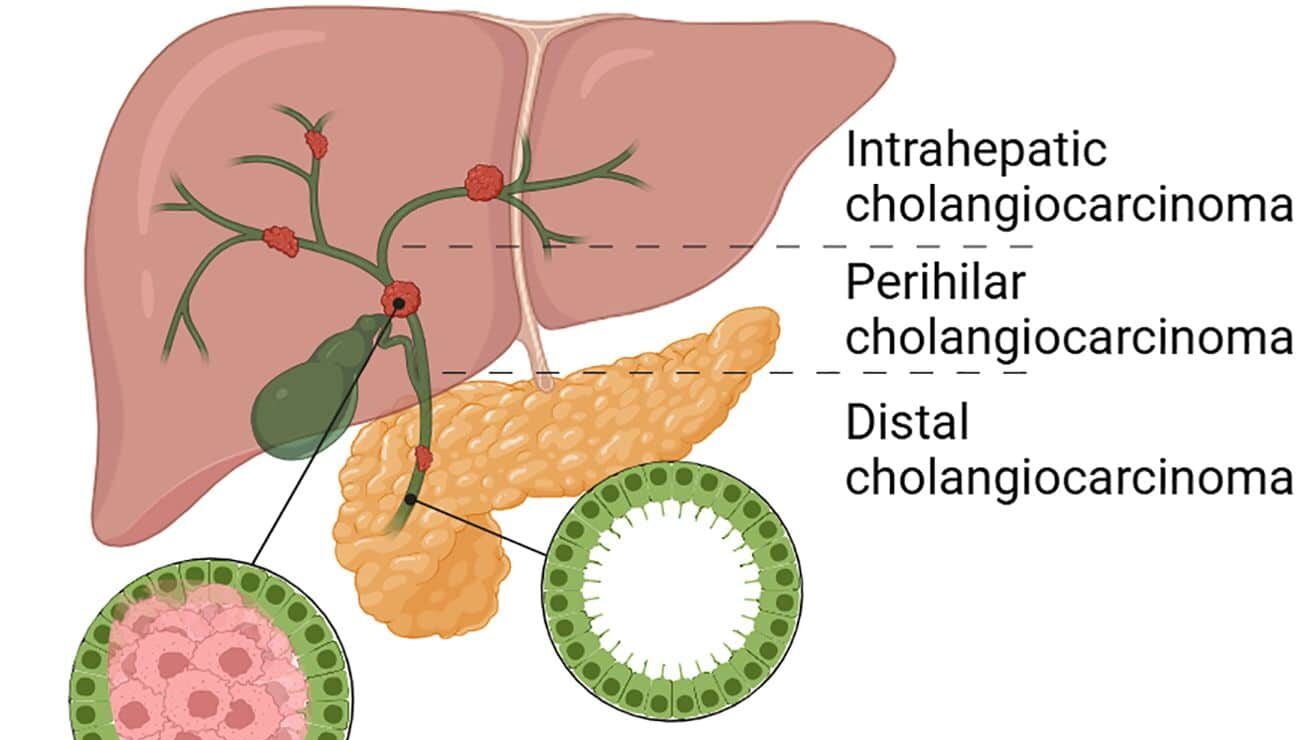
When 58-year-old David, who had lived with primary sclerosing cholangitis for 15 years, noticed his skin turning increasingly yellow and his urine darkening to tea-color, his hepatologist ordered urgent imaging. MRCP revealed a mass at the junction where his hepatic ducts merged—the classic “Klatskin tumor” location. Biopsy confirmed perihilar cholangiocarcinoma, stage 3. “My doctor had warned me for years that PSC carries cancer risk,” David recalled. “But by the time jaundice appeared, the tumor was already unresectable. He said that’s the cruel nature of bile duct cancer—it hides until symptoms force diagnosis, and symptoms appear only when ducts are blocked.” Cancer of the bile duct (also called cholangiocarcinoma) is extremely rare. The true incidence of bile duct cancer is unknown because establishing an accurate diagnosis is difficult. Approximately 50% of cholangiocarcinomas arise in the bile ducts of the perihilar region, 40% in the distal region, and 10% in the intrahepatic region. In most patients, the tumor cannot be completely removed by surgery and is incurable. Despite the advances in the diagnosis and treatment of cholangiocarcinoma, the survival rates remain poor. Population-based research in the United States revealed that the median overall survival for extrahepatic and intrahepatic cholangiocarcinoma was 8 and 4 months, respectively. Understanding why cholangiocarcinoma evades early detection—and why certain inflammatory bile duct conditions dramatically increase risk—reveals one of gastrointestinal oncology’s most frustrating diagnostic challenges. nihNCBI
Three Locations, Different Presentations
Anatomically, cholangiocarcinoma can be categorized into the following three groups: perihilar, intrahepatic, and extrahepatic. Perihilar cholangiocarcinoma (or Klatskin tumor) is the most prevalent type, comprising 50–60% of cholangiocarcinoma, followed by extrahepatic cholangiocarcinoma (20–30%) and intrahepatic cholangiocarcinoma (10–20%). Intrahepatic cholangiocarcinoma: The tumor forms in bile ducts inside your liver. Perihilar (hilar) cholangiocarcinoma: The tumor starts just outside your liver where the smaller bile ducts from inside your liver merge to form the common hepatic duct. It’s the most common form of bile duct cancer. Another name for it is a Klatskin tumor. Distal cholangiocarcinoma: The tumor starts outside your liver, in the ducts closer to your small intestine. Anatomical location determines symptoms, resectability, and prognosis dramatically. Perihilar (Klatskin tumor): arises at hepatic duct bifurcation where left and right hepatic ducts join. Most common location (50-60% of cases). Presents with jaundice early because biliary obstruction occurs with small tumor. Extremely difficult to resect completely—requires complex hepatobiliary surgery often removing liver segments. Intrahepatic: originates within liver parenchyma in small bile ducts. Less common (10-20% of cases). The clinical presentation is largely non-specific, with the characteristic symptoms of biliary malignancies being less frequent than extrahepatic cholangiocarcinoma. Often presents with abdominal pain, vague discomfort, or incidental liver mass on imaging without jaundice. Treated like primary liver cancer—partial hepatectomy if resectable. Distal: located near pancreas in common bile duct before entering duodenum. (20-30% of cases). Presents with painless jaundice, mimicking pancreatic head cancer. Most resectable type—Whipple procedure (pancreaticoduodenectomy) removes tumor with duodenum, pancreas head, bile duct. To some extent, the symptoms depend upon the location of the tumor: people with cholangiocarcinoma in the extrahepatic bile ducts (outside the liver) are more likely to have jaundice, while those with tumors of the bile ducts within the liver more often have pain without jaundice. nih + 3
The Symptom Problem: Silent Until Advanced
Symptoms of cholangiocarcinoma (bile duct cancer) can be vague and often don’t appear until the cancer is advanced. Symptoms don’t usually start until the tumor blocks a bile duct. At this point, it’s usually advanced. The most common physical indications of cholangiocarcinoma are abnormal liver function tests, jaundice (yellowing of the eyes and skin occurring when bile ducts are blocked by tumor), abdominal pain (30–50%), generalized itching (66%), weight loss (30–50%), fever (up to 20%), and changes in the color of stool or urine. Early cholangiocarcinoma produces no symptoms—microscopic tumors growing within bile duct walls cause no obstruction, no pain, no metabolic disturbances. The bile duct system accommodates slow-growing tumors by dilating gradually without acute symptoms. Jaundice: Yellowing of the skin and whites of the eyes due to a buildup of bilirubin. Dark urine: Caused by excess bilirubin being excreted in the urine. Pale or clay-colored stools: Also due to a lack of bilirubin reaching the intestines. Abdominal pain: Often in the upper right abdomen. Weight loss: Unexplained and unintentional weight loss. Itching (pruritus): Caused by a buildup of bile salts in the skin. Fatigue: Feeling unusually tired. Fever: Can occur, especially if the bile duct is blocked and infected (cholangitis). Enlarged liver or gallbladder: May be detected during a physical exam. The classic presentation: painless progressive jaundice (skin/eyes yellow), dark tea-colored urine (conjugated bilirubin), pale clay-colored stools (lack of bile pigment), pruritus (intense itching from bile salt deposition in skin)—often so severe patients scratch skin raw, weight loss and anorexia, and cholangitis (fever, chills if infected bile behind obstruction). Symptom onset timing: perihilar tumors cause jaundice earliest (small tumor blocks main ducts); distal tumors cause jaundice when 1-2cm; intrahepatic tumors may reach 5-10cm before causing symptoms. By symptom appearance, most tumors already locally advanced or metastatic. AHNAHN
The Liver Fluke Connection: Southeast Asia’s Epidemic
Infestation with liver flukes such as Clonorchis and Opisthorchiasis is strongly associated with cholangiocarcinoma. These infestations are endemic to Southeast Asian regions; the highest incidence rates are in northeast Thailand. Liver fluke infestation is due to the consumption of undercooked fish, and parasite-induced chronic biliary inflammation is the primary driver of malignant transformation. Liver flukes attach to the biliary wall leading to ulceration and precancerous lesions. Moreover, those parasites promote chronic inflammation by increasing the secretion of inflammatory cytokines like IL-6. In Opisthorchis viverrini infection, IL-6 is involved in the development of periductal fibrosis, which is considered to be implicated in cholangiocarcinoma development. The geography tells the story: Thailand (especially northeast region), Laos, Cambodia, Vietnam show cholangiocarcinoma incidence 10-30 fold higher than Western countries. Northeast Thailand: 85 cases per 100,000—world’s highest. Western Europe/North America: 1-2 cases per 100,000. The transmission cycle: Opisthorchis viverrini and Clonorchis sinensis (liver flukes) encyst in freshwater fish. Humans consume undercooked/raw fish in traditional dishes. Larvae excyst in duodenum, migrate up bile ducts, mature into adult flukes. Adults attach to bile duct walls, live 20-30 years. Chronic mechanical irritation plus parasite secretions cause persistent inflammation, DNA damage, p53 mutations, periductal fibrosis, and malignant transformation over decades. The carcinogenesis pathway mirrors H. pylori-gastric cancer or Hepatitis B/C-liver cancer: chronic infection → inflammation → DNA damage → dysplasia → cancer. Prevention requires cooking fish thoroughly (>60°C kills larvae) and public health campaigns changing cultural food preparation practices. NCBInih
Primary Sclerosing Cholangitis: The Western World’s Leading Risk
Primary sclerosing cholangitis (PSC) is a progressive autoimmune cholestatic liver disease. In Western countries, primary sclerosing cholangitis is the most important risk factor for cholangiocarcinoma. Cholangiocarcinoma is the most common neoplasia in patients with primary sclerosing cholangitis and has a high rate of mortality. Primary sclerosing cholangitis is a rare chronic autoimmune and cholestatic liver disease that is characterized by strictures and progressive fibrosis within the intra and extrahepatic biliary tree. Cholangiocarcinoma represents a well-established complication of PSC, with an estimated incidence of approximately 1% to 1.5% per year and a lifetime risk of up to 20%. PSC basics: chronic autoimmune inflammation causing progressive scarring/fibrosis of bile ducts, both inside and outside liver. Leads to strictures (narrowing), jaundice, cirrhosis, liver failure. Median age diagnosis 40 years; 60-70% have concurrent inflammatory bowel disease (usually ulcerative colitis). No cure—only liver transplantation. The PSC-cholangiocarcinoma link: 1-1.5% annual cancer risk, 20% lifetime risk—dramatically higher than general population. Can occur at any PSC stage (early or late, with or without cirrhosis). Individuals with active and/or long duration of ulcerative colitis concurrent with PSC are more likely to develop cholangiocarcinoma compared with individuals with PSC alone. The presence of advanced liver disease or cirrhosis, history of colorectal cancer, alcohol use, and tobacco consumption may represent additional risk factors. The diagnostic challenge: PSC itself causes bile duct strictures, wall thickening, elevation of tumor markers (CA 19-9)—identical to cholangiocarcinoma findings. Distinguishing benign PSC stricture from malignant transformation extremely difficult. Requires repeated ERCP with brush cytology, FISH (fluorescence in situ hybridization), sometimes cholangioscopy. Many PSC patients develop undetectable cholangiocarcinoma discovered only at transplant pathology or autopsy. Current recommendations: annual surveillance with cross-sectional imaging (MRI/MRCP), CA 19-9 tumor marker, ERCP with brushings for new/worsening strictures. nih + 2
Other Risk Factors: Chronic Inflammation Unites Them
Choledochal cysts: congenital bile duct dilations creating stagnant bile, chronic inflammation. Lifetime cholangiocarcinoma risk 10-15%. Prophylactic cyst excision recommended. Hepatolithiasis: intrahepatic stones (more common in Asia than West) cause chronic inflammation, recurrent cholangitis. Cirrhosis: any cause (hepatitis B, hepatitis C, alcohol, NASH) slightly increases intrahepatic cholangiocarcinoma risk. Cholestatic liver diseases (e.g. primary sclerosing cholangitis and fibropolycystic liver diseases), liver cirrhosis, and biliary stone disease all increase the risk of cholangiocarcinoma. Certain bacterial, viral or parasitic infections such as hepatitis B and C and liver flukes also increase cholangiocarcinoma risk. Other risk factors include inflammatory disorders (such as inflammatory bowel disease and chronic pancreatitis), toxins (e.g. alcohol and tobacco), metabolic conditions (diabetes, obesity and non-alcoholic fatty liver disease). Toxins: Thorotrast (obsolete radiologic contrast agent used 1930s-1950s) caused cholangiocarcinoma decades later in exposed patients. Nitrosamines, dioxins potentially carcinogenic. Metabolic syndrome: diabetes, obesity, non-alcoholic fatty liver disease modestly increase risk—mechanisms involve chronic low-grade inflammation, insulin resistance. Genetic: hereditary conditions like Lynch syndrome slightly elevate risk. However: 70% of cholangiocarcinoma patients have NO identifiable risk factor. Sporadic cases outnumber those with known predisposition. MDPI
The Diagnostic Difficulty: Why Confirmation Eludes
The true incidence of bile duct cancer is unknown because establishing an accurate diagnosis is difficult. Multiple diagnostic challenges compound: Anatomical inaccessibility: bile ducts buried deep within liver or behind duodenum/pancreas, not visible/palpable externally. Requires advanced imaging (MRCP, ERCP, EUS) to visualize. Mimicry of benign disease: strictures from cholangiocarcinoma look identical to benign inflammatory strictures (PSC, IgG4-related disease, post-surgical). Wall thickening can represent cancer or inflammation. Small tissue samples: ERCP brush cytology obtains few cells—sensitivity only 30-40% for detecting cancer. False negatives common. Biopsy forceps through endoscope get tiny fragments—often non-diagnostic. The biopsies collected using SpyGlass DS (Spybite) have a sensitivity of 64%. Even direct visualization cholangioscopy misses one-third of cancers. Desmoplastic reaction: cholangiocarcinoma produces dense fibrous stroma (scar tissue) surrounding tumor cells. Biopsies often sample only fibrosis, missing malignant cells embedded within. Multifocal disease: many cholangiocarcinomas grow as multiple foci along bile ducts rather than discrete mass—sampling one area misses others. Tumor marker limitations: CA 19-9 (standard marker) elevated in 50-70% of cholangiocarcinoma but also elevated in benign biliary obstruction, pancreatitis, cirrhosis. Sensitivity/specificity insufficient for screening or diagnosis—useful only for monitoring response in known cases. The diagnostic pathway: abnormal liver tests or symptoms → imaging (ultrasound, CT, MRI/MRCP) shows bile duct abnormality → ERCP with brush cytology/biopsy attempts tissue diagnosis → if negative but high suspicion, repeat sampling or advanced techniques (cholangioscopy, EUS-FNA) → sometimes diagnosis made presumptively based on imaging/clinical course without definitive tissue proof → or confirmed only at surgery/autopsy. NCBIPubMed Central
Survival: Why Prognosis Remains Grim
Despite the advances in the diagnosis and treatment of cholangiocarcinoma, the survival rates remain poor. Population-based research in the United States revealed that the median overall survival for extrahepatic and intrahepatic cholangiocarcinoma was 8 and 4 months, respectively, between 1973 and 2008. Nationwide research in Thailand from 2009 to 2013 revealed a high, constant 1-year mortality rate of 81.7%. Survival by stage and location: Localized intrahepatic: 24% five-year survival if completely resected; only 10-20% present with resectable disease. Regional intrahepatic: 9% five-year survival with lymph node involvement despite resection. Distant intrahepatic: 2% five-year survival—palliative chemotherapy only. Localized extrahepatic: 30% five-year survival if R0 (margin-negative) resection achieved. Regional extrahepatic: 10% five-year survival. Distant: 2% five-year survival. Perihilar tumors particularly challenging: require hepatectomy plus bile duct excision plus vascular reconstruction—complex surgery, high morbidity, often microscopically positive margins. Cholangiocarcinomas comprise a diverse group of biliary tract cancers known for their dismal prognosis, primarily due to their diagnosis at advanced stages and aggressive biological behavior. Surgical resection with negative margins is the only recognized curative treatment option for intrahepatic cholangiocarcinoma; however, most patients will present with advanced or unresectable disease. Chemotherapy (gemcitabine plus cisplatin) standard for unresectable/metastatic disease—median survival 11-12 months versus 6-8 months without treatment. Targeted therapy emerging: FGFR2 inhibitors (pemigatinib, futibatinib) for tumors with FGFR2 fusions/rearrangements (10-15% of intrahepatic cholangiocarcinoma). IDH1 inhibitors (ivosidenib) for IDH1-mutated tumors (10-25% of intrahepatic). Checkpoint inhibitors for microsatellite instability-high tumors (rare, <5%). These targeted therapies improve outcomes modestly—median PFS 6-9 months—but represent first personalized medicine approaches in this disease. nihnih
Geographic Disparities and Incidence Trends
The incidence of cholangiocarcinoma is less than 6 cases per 100,000 people globally, yet the regional differences are significant. In several Asian nations (South Korea, Thailand, and China), the incidence of cholangiocarcinoma is substantially greater (>6 cases per 100,000 people) compared to the Western countries (0.35–2 cases per 100,000 people). During the past few decades, the incidence of cholangiocarcinoma has grown in many countries. The intrahepatic cholangiocarcinoma has especially increased in incidence by 350%, while the extrahepatic cholangiocarcinoma has increased by 20%. The dramatic intrahepatic increase (350% over recent decades) unexplained—cannot be attributed solely to improved diagnosis/classification. Possible contributing factors: rising hepatitis C prevalence (now declining with effective treatment), increasing obesity/NAFLD rates, environmental toxins, improved detection of small tumors on cross-sectional imaging. Extrahepatic rates relatively stable. Future projections uncertain—hepatitis C eradication may decrease intrahepatic cholangiocarcinoma; obesity epidemic may increase it.
Frequently Asked Questions
Q1: I have primary sclerosing cholangitis. How worried should I be about developing bile duct cancer and what surveillance should I have?
Your concern is justified—PSC carries 20% lifetime cholangiocarcinoma risk (1-1.5% annual incidence). However, this doesn’t mean you’ll definitely develop cancer, and surveillance can catch some cases at earlier, more treatable stages. Current recommendations: annual MRI/MRCP imaging to monitor bile duct changes, annual CA 19-9 blood test (though imperfect marker), and ERCP with brush cytology/biopsy if new/worsening stricture develops on imaging or symptoms worsen. Consensus recommendations for selective use of endoscopic evaluation with ERCP and/or endoscopic ultrasound for patients with worsening clinical symptoms, cholestasis, or dominant stricture. Some centers advocate more aggressive surveillance protocols (6-month intervals, routine annual ERCP) for highest-risk patients, though evidence supporting this remains limited. Reality: even with surveillance, many PSC-associated cholangiocarcinomas remain undetectable until advanced. The goal is catching tumors early enough for transplant consideration—some centers offer liver transplant for very early perihilar cholangiocarcinoma in PSC patients. PubMed Central
Q2: My imaging shows a bile duct stricture but biopsies came back negative for cancer three times. Does that mean I don’t have cholangiocarcinoma?
Unfortunately, no. Negative biopsies don’t exclude cholangiocarcinoma—brush cytology sensitivity only 30-40%, meaning false negatives very common. Even advanced cholangioscopy with directed biopsies misses 30-40% of cancers. The diagnostic dilemma: bile duct strictures can represent benign inflammation (PSC, IgG4-related disease, post-surgical scarring) OR cancer. Imaging features (irregular walls, upstream dilation, mass lesion) favor cancer but aren’t definitive. Rising CA 19-9 tumor marker suggests malignancy but can be falsely elevated in benign obstruction. Your management depends on clinical context. If high suspicion despite negative biopsies (PSC patient with new dominant stricture, rapidly progressive jaundice, weight loss, rising CA 19-9), many hepatobiliary surgeons recommend proceeding to surgical exploration/resection based on presumptive diagnosis rather than waiting for tissue confirmation that may never come. Alternatively, close surveillance with repeat imaging/sampling at 2-3 month intervals watching for progression. Discuss risks/benefits of expectant observation versus empiric surgery with experienced hepatobiliary team.
Q3: I traveled in Thailand 20 years ago and may have eaten undercooked fish. Should I be screened for liver flukes and cholangiocarcinoma?
Brief travel exposure 20 years ago carries extremely low risk. Cholangiocarcinoma from liver flukes develops in endemic populations with chronic repeated exposures over decades—typically people born/raised in endemic regions eating raw/undercooked fish regularly throughout life. Single travel exposure unlikely to cause persistent infection or cancer decades later. However, if you experienced: prolonged residence (months/years) in endemic regions, regular consumption of traditional raw fish dishes (koi pla, pla ra), unexplained eosinophilia on blood tests (suggesting parasitic infection), or abnormal liver tests, then screening reasonable. Testing involves: stool examination for fluke eggs (sensitivity poor—many false negatives with light infections), serology for antibodies against Opisthorchis (available at specialized labs), and liver imaging (ultrasound/MRI) checking for biliary abnormalities. For most brief travelers: no screening needed, reassurance appropriate. Focus instead on modifiable cholangiocarcinoma risk factors: maintain healthy weight, limit alcohol, avoid smoking.
Q4: What’s the difference between bile duct cancer and pancreatic cancer? They seem to present similarly.
Both present with painless jaundice and carry poor prognosis, but differ fundamentally: Origin: Cholangiocarcinoma arises from bile duct epithelium; pancreatic adenocarcinoma arises from pancreatic duct epithelium. Location overlap: Distal cholangiocarcinoma (in bile duct near pancreas) and pancreatic head cancer both cause biliary obstruction—imaging may not distinguish them preoperatively. Both require Whipple procedure for resection. Molecular differences: Cholangiocarcinoma shows FGFR2 fusions (10-15%), IDH1 mutations (10-25%)—targetable alterations rarely seen in pancreatic cancer. Pancreatic cancer shows KRAS mutations (90%), less targetable. Prognosis: Distal cholangiocarcinoma slightly better prognosis than pancreatic cancer after resection (30% versus 20% five-year survival). Intrahepatic cholangiocarcinoma worse prognosis than either. Treatment: Surgery similar; chemotherapy differs—gemcitabine/cisplatin standard for cholangiocarcinoma versus gemcitabine/nab-paclitaxel or FOLFIRINOX for pancreatic cancer. Accurate tissue diagnosis important determining optimal chemotherapy regimen.
Q5: My father died from cholangiocarcinoma with no known risk factors. Does this increase my cancer risk?
Most cholangiocarcinoma is sporadic (no identifiable cause), and familial clustering remains uncommon outside specific genetic syndromes. Your risk likely minimally elevated—possibly 2-3 fold versus baseline population, but absolute risk still very low (baseline ~1-2 per 100,000 in Western countries). No screening recommended for family members unless: multiple relatives with cholangiocarcinoma (suggests hereditary syndrome like Lynch syndrome—genetic counseling/testing appropriate); family history of PSC (can run in families); or known familial cholangiopathy. Prudent measures: maintain awareness of cholangiocarcinoma symptoms (jaundice, abdominal pain, weight loss), avoid modifiable risk factors (obesity, heavy alcohol, smoking), and inform physicians about family history if biliary symptoms develop (may lower threshold for advanced imaging). Unlike hereditary colon or breast cancer with established screening/prevention protocols, no validated surveillance exists for familial cholangiocarcinoma risk. Focus on overall health maintenance and prompt evaluation of concerning symptoms.
Disclaimer
This article adapts publicly available information from reputable cancer research organizations and medical databases. This content is for informational and educational purposes only and does not constitute medical advice. ObserverVoice.com is a news and information platform — not a healthcare provider. Decisions about cholangiocarcinoma screening, diagnosis, and treatment should be made in consultation with qualified physicians, hepatologists, surgeons, and oncologists who can evaluate your individual symptoms, risk factors, and health status. If you have symptoms concerning for bile duct disease or cancer, please consult with your healthcare team promptly.
References
- PMC. Diagnosis of Cholangiocarcinoma. https://www.ncbi.nlm.nih.gov/pmc/articles/PMC9858255/
- Cleveland Clinic. Bile Duct Cancer (Cholangiocarcinoma). https://my.clevelandclinic.org/health/diseases/21524-cholangiocarcinoma
- StatPearls. Cholangiocarcinoma. https://www.ncbi.nlm.nih.gov/books/NBK560708/
- PMC. Updates in Diagnosis and Endoscopic Management of Cholangiocarcinoma. https://pmc.ncbi.nlm.nih.gov/articles/PMC10931405/
- PMC. Screening for Cholangiocarcinoma in Patients With Primary Sclerosing Cholangitis. https://pmc.ncbi.nlm.nih.gov/articles/PMC10496279/
Observer Voice is the one stop site for National, International news, Sports, Editor’s Choice, Art/culture contents, Quotes and much more. We also cover historical contents. Historical contents includes World History, Indian History, and what happened today. The website also covers Entertainment across the India and World.

