

Indian Exports Under Cost Pressure Amid EU’s Carbon Tax Expansion Plans, Says GTRI

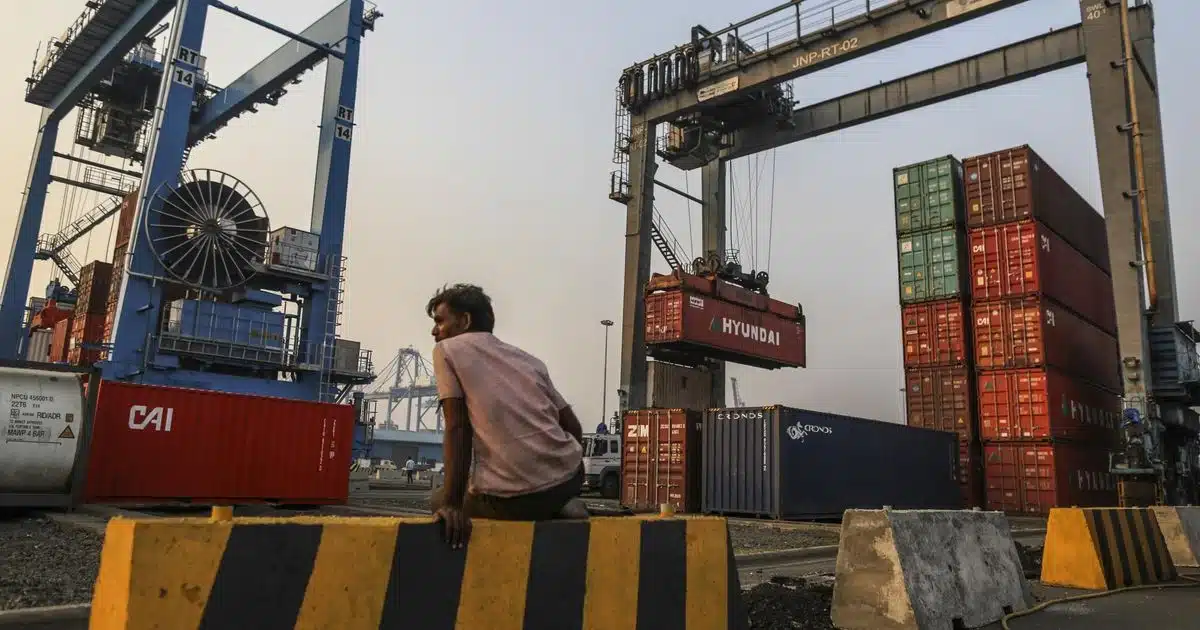
As the European Union prepares to expand its carbon border tax regime, Indian exporters may face increased carbon-related costs. A report from the Global Trade Research Initiative (GTRI) indicates that the European Parliament’s environment committee plans to extend the Carbon Border Adjustment Mechanism (CBAM) to approximately 180 additional steel and aluminum products starting in January 2028. This expansion will introduce stricter compliance rules and could significantly impact various sectors of Indian manufacturing.
Expansion of the Carbon Border Adjustment Mechanism
The proposed changes to the CBAM will broaden its scope beyond just steel and aluminum raw materials. The GTRI report highlights that the new regulations will encompass a wide array of manufactured industrial goods, including fabricated metal products, tubes, pipes, fasteners, structural components, machinery parts, and aluminum-based engineering products. This shift indicates a deeper penetration into the manufacturing value chain, which could have serious implications for Indian exporters. The report emphasizes that the CBAM will transform from a tax primarily focused on raw materials into a comprehensive carbon tax affecting various manufactured goods.
Stricter Compliance and Emission Accounting
The GTRI report outlines several key compliance changes that will affect Indian producers. One significant alteration is the stricter treatment of scrap-based production, where emissions from recycled inputs will now be counted in the final product emissions. This change could eliminate the cost advantage that many Indian manufacturers currently enjoy. Additionally, exporters will not be permitted to use international carbon credits for compliance, meaning they will need to either reduce emissions at the source or operate under an EU-recognized carbon pricing system. This could pose challenges for Indian manufacturers, especially those relying on coal-based power, as the EU is also considering including indirect emissions from electricity use in the CBAM framework.
Implications for Indian Exporters
The GTRI report warns that Indian industries should no longer consider the CBAM as limited to steel and aluminum. Exporters of engineering goods, auto components, and machinery may increasingly encounter carbon taxes in Europe starting in 2028. The report estimates that by 2030, most industrial products entering the EU could be subject to some form of carbon tax exposure. This development comes at a time when India and the EU are negotiating a free trade agreement, which could allow EU goods to enter India at lower tariffs while simultaneously increasing CBAM costs for Indian exports in Europe.
Need for Enhanced Emissions Accounting
In light of these impending changes, Indian exporters are urged to accelerate their efforts in emissions accounting, supply-chain traceability, and investments in decarbonization. The GTRI report also notes that several Indian agricultural exports may be affected by the EU’s deforestation regulations. To remain competitive in the EU market, Indian manufacturers must adapt to these evolving regulations and invest in sustainable practices. The ability to navigate these challenges will be crucial for maintaining access to one of the world’s largest markets.
Observer Voice is the one stop site for National, International news, Sports, Editor’s Choice, Art/culture contents, Quotes and much more. We also cover historical contents. Historical contents includes World History, Indian History, and what happened today. The website also covers Entertainment across the India and World.
Follow Us on Twitter, Instagram, Facebook, & LinkedIn

