

Disruptions in the Strait of Hormuz Impact India’s LPG Imports and Domestic Production

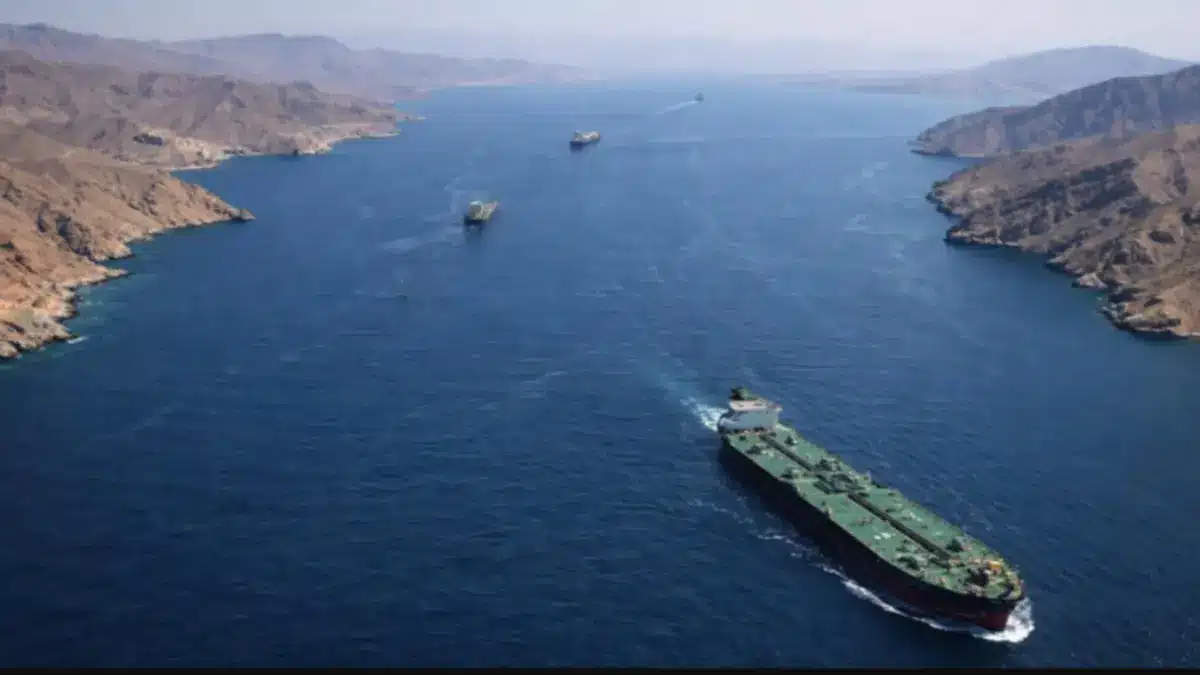
India’s Liquefied Petroleum Gas (LPG) imports have seen a significant decline this month, dropping to nearly half of the levels recorded in February. This decrease is attributed to ongoing disruptions in energy flows from the Gulf region, exacerbated by the conflict between the United States and Iran. As domestic production also falls, the overall supply of LPG in India is tightening, raising concerns about availability amid the geopolitical tensions.
Shift in LPG Supply Sources
The United States has emerged as the largest supplier of LPG to India this month, providing 142,000 tonnes, which constitutes 27 percent of the total imports of 523,000 tonnes. Following the U.S., the United Arab Emirates contributed 141,000 tonnes, while Saudi Arabia, Qatar, and Kuwait supplied 92,000 tonnes, 82,000 tonnes, and 11,000 tonnes, respectively. Notably, imports from Iran have increased to 43,000 tonnes, up from just 11,000 tonnes in March. Argentina also made a rare contribution of 10,000 tonnes.
Data from Kpler indicates that LPG imports averaged around 37,000 tonnes per day from April 1 to April 14, remaining stable compared to March but significantly lower than February’s average of 73,000 tonnes per day. Industry experts highlight that the current tightness in LPG supply is concerning, with limited alternatives available outside the Gulf producers.
Impact of Geopolitical Tensions
The ongoing conflict in the Middle East, particularly the U.S.-Iran war, has disrupted energy flows, impacting global oil and gas markets. Despite a ceasefire lasting about a week, the availability of cooking gas has not improved significantly. Prior to the conflict, Gulf nations supplied approximately 54 percent of India’s LPG consumption. Although India has successfully moved nine LPG carriers out of the Persian Gulf through the Strait of Hormuz, its heavy reliance on Gulf producers continues to constrain its ability to increase supplies.
Industry analysts, including Nikhil Dubey from Kpler, emphasize that the LPG market is facing real supply constraints. With most global LPG volumes tied up in long-term contracts, only about 10 percent is available in the spot market. This limited availability restricts the ability to secure additional cargoes, even at elevated prices.
Domestic Production Challenges
In addition to the decline in imports, India’s domestic LPG production has also decreased by approximately 10 percent from its peak in March. This reduction further tightens the overall supply situation. The combination of reduced imports and domestic production challenges raises concerns about the availability of LPG for consumers in India.
As the situation evolves, industry executives are closely monitoring the market dynamics. The reliance on Gulf producers and the geopolitical uncertainties surrounding energy flows will likely continue to influence India’s LPG supply in the coming weeks. The current scenario underscores the importance of diversifying supply sources to mitigate risks associated with geopolitical tensions and ensure stable energy access for the country.
Observer Voice is the one stop site for National, International news, Sports, Editor’s Choice, Art/culture contents, Quotes and much more. We also cover historical contents. Historical contents includes World History, Indian History, and what happened today. The website also covers Entertainment across the India and World.

