

Impact of Middle East Conflict on Global Daily Life: Reduced Shower Time, Elevator Restrictions, and More

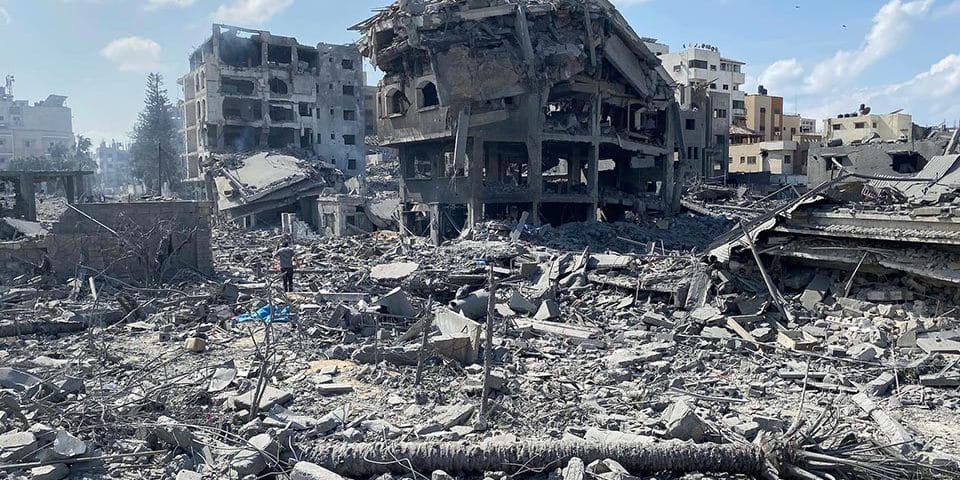
The ongoing conflict in the Middle East has now surpassed a month, creating significant disruptions that extend well beyond the region. Initially sparked by tensions between Iran and Israel, the war has escalated, impacting global supply chains and increasing costs for governments and individuals alike. Recent developments, including a missile strike on Israel by Yemen’s Houthi rebels, have opened new fronts in the crisis, further unsettling trade and energy markets worldwide.
Global Supply Chain Disruptions
The conflict’s ramifications are being felt across various sectors globally, with farmers in Australia facing rising fertilizer prices that compel them to reduce wheat production. In response, Australian farmers are urging the federal government for tax relief and support to manage escalating fuel costs. As the national cabinet considers additional assistance for businesses, state premiers are advocating for enhanced coordination at the national level. However, the government is not expected to implement petrol rationing, with Health Minister Mark Butler suggesting minimal intervention despite growing fuel supply concerns. The situation is exacerbated by the fact that a third of the world’s fertilizer is shipped through the Strait of Hormuz, which is currently under Iranian control. In a bid to alleviate the crisis, the United States has lifted sanctions on Venezuela to facilitate fertilizer exports.
Energy Conservation Measures Across Asia
In South Korea, citizens are adapting to a nationwide campaign aimed at reducing energy consumption. The government has encouraged residents to take shorter showers, use bicycles for short trips, and avoid charging electronic devices during nighttime hours. This initiative comes amid fears of oil and gas supply disruptions linked to the ongoing conflict, as South Korea relies entirely on imports for its energy needs. With nearly 70% of its crude oil previously sourced from the Strait of Hormuz, the halt in tanker traffic since the conflict began has intensified economic pressures, particularly on the energy-dependent manufacturing sector.
Similarly, Thailand has implemented energy-saving measures, with the Prime Minister promoting a more casual dress code in government offices to encourage public participation. Civil servants are advised to use stairs instead of elevators and to dress lightly to help reduce energy consumption. In the Philippines, a state of “national energy emergency” has been declared, prompting civil servants to avoid elevators and increasing output from coal-fired power plants to stabilize electricity costs amid disruptions in gas shipments.
Impact on Trade and Daily Life
The conflict has also disrupted trade in countries like Bangladesh, where canceled flights have led to a backlog of textile exports. With nearly 90% of its fuel imports coming from the Middle East, Bangladesh faces heightened risks as its primary markets in the European Union and the United States rely on shipping routes now facing significant disruptions. In the UAE and Qatar, delays in critical medical supplies, including cancer medications, are becoming a pressing concern as cargo movement slows in major hubs.
In Egypt, the government has introduced measures to curb energy use, including limiting shopping days and reducing street lighting. These “exceptional measures” aim to alleviate the mounting pressure on energy supplies, with the Prime Minister noting that petrol expenditures have more than doubled in recent months. Meanwhile, in the United States, rising oil prices are raising inflation fears, leading to increased mortgage rates and higher costs for homebuyers. As global trade becomes increasingly interconnected, consumers can expect to feel the effects of these disruptions in various aspects of daily life.
Long-term Consequences and Adaptations
As the conflict continues, countries are implementing various strategies to manage the unfolding crisis. In Sri Lanka, the government has declared Wednesdays a public holiday to reduce commuting and conserve fuel, while Laos has adopted a three-day school week. Sri Lanka, which imports around 60% of its energy needs, has reintroduced a QR-based fuel rationing system reminiscent of measures taken during its 2022 economic collapse. This system allocates specific fuel quantities to different vehicle types, aiming to manage limited resources effectively.
The ongoing conflict is reshaping global trade flows, energy consumption, and everyday life, presenting countries with a complex web of economic and logistical challenges. As the situation evolves, the international community must navigate the far-reaching consequences of this regional crisis, which is increasingly affecting lives and economies worldwide.
Observer Voice is the one stop site for National, International news, Sports, Editor’s Choice, Art/culture contents, Quotes and much more. We also cover historical contents. Historical contents includes World History, Indian History, and what happened today. The website also covers Entertainment across the India and World.

