

What Happens to Your Finances When You Pay Off a Personal Loan Early?

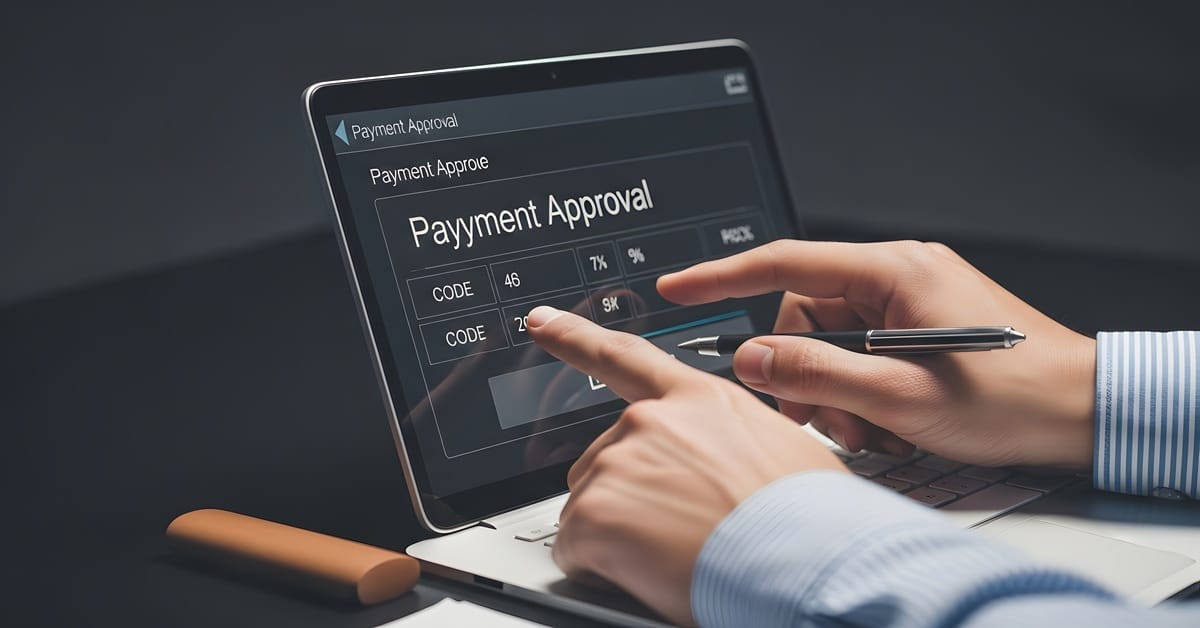
Foreclosure is settling a debt early that represents a significant financial milestone. You may decide to pay the entire outstanding balance of a personal loan before the scheduled tenure ends. This process is commonly known as foreclosure. While the idea of being debt-free is appealing, you must evaluate the actual cost and long-term impact on your financial profile. Clearing a debt in one go stops the monthly EMI cycle immediately. It changes your liability status.
Most borrowers choose this path when they receive a bonus or a windfall. You might think saving on interest is a guaranteed win. Nonetheless, lenders often view early repayments differently.
Repaying the loan early may improve your credit history. It also affects how much money stays in your pocket after accounting for exit penalties. You need to look at the numbers and the credit report implications before making the final payment.
The Actual Process of Closing a Loan Early
Foreclosure differs from your standard monthly EMI payments. While EMIs follow a fixed schedule, foreclosure terminates the loan agreement entirely. You provide a lump-sum payment that covers the remaining principal in a single transaction. This action officially closes the credit account.
People usually consider this option to achieve peace of mind. You might want to lower your monthly expenses. Using a small loan app for an emergency loan serves a temporary purpose. Once the crisis passes, closing that debt helps you regain financial control. It simplifies your monthly budget by removing one recurring obligation.
Financial Comparison: Interest Saved Versus Exit Fees
The most immediate benefit of early settlement is interest reduction. Personal loans accrue interest on a reducing balance basis. When you pay off the principal early, you stop the accumulation of future interest. This can save you thousands of Rupees over the remaining term.
Lenders may charge a foreclosure fee to offset lost interest income. You may need to check the specific terms in your agreement. The following are some primary aspects that determine these costs=
- The percentage of the remaining principal (often between 1% to 5%)
- The timing of your request during the loan tenure
- Specific lock-in periods where early payment might be restricted
- Tax implications, like GST on the processing or foreclosure fees
You should perform a break-even analysis. Subtract the foreclosure fee from the total interest you would have paid if you continued the EMIs. If the interest savings exceed the fee, the move makes financial sense.
Top Ways How Your Credit Profile Reacts to Early Settlement
Closing your loan may impact your DTI ratio. This ratio compares your total debt to your monthly earnings. A lower ratio makes you look more stable to financial institutions. It shows you have more disposable income available.
Shifts in Your Credit Mix
Your credit score is based on a mix of accounts. An active personal loan counts as an instalment credit. Closing it might cause a minor, temporary dip in your credit score. This happens because the variety of your active account changes. This shift is usually short-lived.
In the long run, your credit report will show the account as “Closed” or “Settled”. A “Closed” status is better. It indicates that you paid the full amount in accordance with the terms. Future lenders see this as a sign of reliability. You proved you could handle and repay a significant sum.
Improving Your Chances for Future Credit
Paying off a debt early boosts your future borrowing eligibility. You free up your monthly cash flow. When you apply for a quick approval loan, the lender sees that you have no existing obligations. Your repayment capacity appears much stronger.
You also build a reputation as a responsible borrower. Settling debt consolidation loans accounts early proves you are proactive about managing money. Lenders prefer applicants who demonstrate such discipline. It reduces their perceived risk when granting you credit later.
Vital Considerations Before Making the Final Payment
Here are the considerations-
Strategic Timing
The stage of your tenure dictates the value of closing it early. Personal loans use a reducing balance, with interest front-loaded. You pay more interest in the initial months. Settling in the first half of the tenure saves maximum money. If you are in the final quarter, savings might be lower than the fees.
Cash Reserves
Using a lump sum requires a look at your liquid assets. Being free of debt should not cost you extra. Ensure you keep enough cash for at least six months of expenses. You may need a new emergency loan at higher rates if you exhaust your savings and face a crisis.
Cost Analysis
Perform a direct comparison before transferring funds. Lenders charge a foreclosure fee on the outstanding principal. Calculate the future interest you would avoid. If the fee is lower than the interest, the move is wise. If not, keeping the money in an investment could be better.
Future Credit Goals
Your current debt affects your eligibility for a quick approval loan. If you plan to apply for a mortgage soon, clearing a personal loan helps. It lowers your liability and increases your repayment capacity. This often leads to better rates on larger future loans.
Documentation Needs
The process ends only after you get a No Objection Certificate (NOC). This document proves you fulfilled all obligations. Without it, the loan might show as “Active” on credit reports. Always verify your status update with bureaus within 45 days.
Wrapping up
Settling a personal loan reduces interest costs while improving credit health. However, you need to weigh savings against foreclosure fees alongside your current cash reserves. Clearing debt can improve your eligibility for future credit. For this, you need to secure the necessary closure documents.
Observer Voice is the one stop site for National, International news, Sports, Editor’s Choice, Art/culture contents, Quotes and much more. We also cover historical contents. Historical contents includes World History, Indian History, and what happened today. The website also covers Entertainment across the India and World.

