

Rail Safety Investment Triples to Rs 1.17 Lakh Crore in FY26; Expansion of Kavach and Increased CCTV Rollout

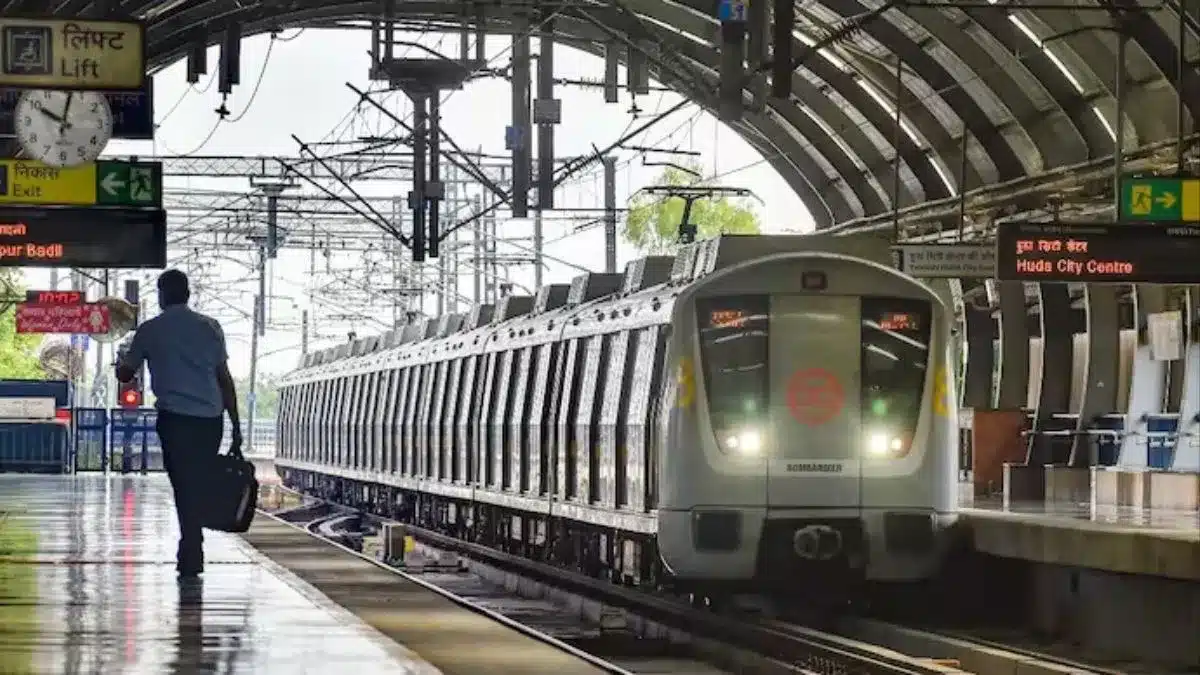
Safety expenditure on Indian Railways has surged dramatically, increasing from Rs 39,200 crore in 2013-14 to Rs 1,17,693 crore in the 2025-26 fiscal year. This significant investment reflects the government’s commitment to enhancing safety measures, including the deployment of the indigenous train protection system, Kavach, and the installation of CCTV surveillance across coaches and locomotives. Railway Minister Ashwini Vaishnaw highlighted that these efforts have led to a notable decline in accidents, underscoring safety as the highest priority for Indian Railways.
Investment in Safety Measures
Over the past decade, Indian Railways has prioritized safety, resulting in a nearly threefold increase in safety expenditure. The government has allocated substantial funds to implement advanced safety systems, with a focus on the Kavach system, which is designed to protect trains and passengers. The investment in safety measures has proven effective, as evidenced by the significant reduction in accidents on the rail network. The commitment to safety is reflected in the comprehensive approach taken by Indian Railways, which includes both technological advancements and infrastructure improvements.
Implementation of Kavach System
The Kavach system, an indigenously developed Automatic Train Protection (ATP) system, has been rolled out across 23,360 route kilometers. This includes critical sections of the rail network, such as the Golden Quadrilateral and the High Density Network. Kavach assists train operators by enforcing speed limits and automatically applying brakes if necessary, particularly during adverse weather conditions. Since its adoption as the national ATP system in July 2020, Kavach has undergone extensive trials, leading to the commissioning of Version 4.0 across key corridors, including Delhi–Mumbai and Delhi–Howrah. This latest version enhances location accuracy and improves signal information handling, contributing to safer train operations.
Training and Infrastructure Development
To support the implementation of the Kavach system, Indian Railways has trained over 48,000 personnel, including approximately 45,000 loco pilots and assistant loco pilots. The infrastructure costs associated with the Kavach system are significant, with trackside and station installations estimated at Rs 50 lakh per kilometer and onboard locomotive equipment costing around Rs 80 lakh per locomotive. As of December 2025, funds utilized for Kavach works have reached Rs 2,573.36 crore, with an additional Rs 1,673.19 crore allocated for the fiscal year 2025-26. This investment is crucial for ensuring the safety and efficiency of train operations across the network.
Enhancing Passenger Safety with CCTV
In addition to the Kavach system, Indian Railways is enhancing passenger safety through the installation of CCTV cameras. Approximately 12,300 coaches, including all operational Vande Bharat and Amrit Bharat train rakes, along with 460 locomotives, have been equipped with surveillance cameras. The primary goal of this initiative is to deter vandalism, theft, and other criminal activities while aiding in incident investigations. The procurement and installation of CCTV systems are being managed by zonal railways and production units, further demonstrating Indian Railways’ commitment to passenger safety and security.
Observer Voice is the one stop site for National, International news, Sports, Editor’s Choice, Art/culture contents, Quotes and much more. We also cover historical contents. Historical contents includes World History, Indian History, and what happened today. The website also covers Entertainment across the India and World.
Follow Us on Twitter, Instagram, Facebook, & LinkedIn

