

Rail Electrification Initiative: Environmental Benefits Explained

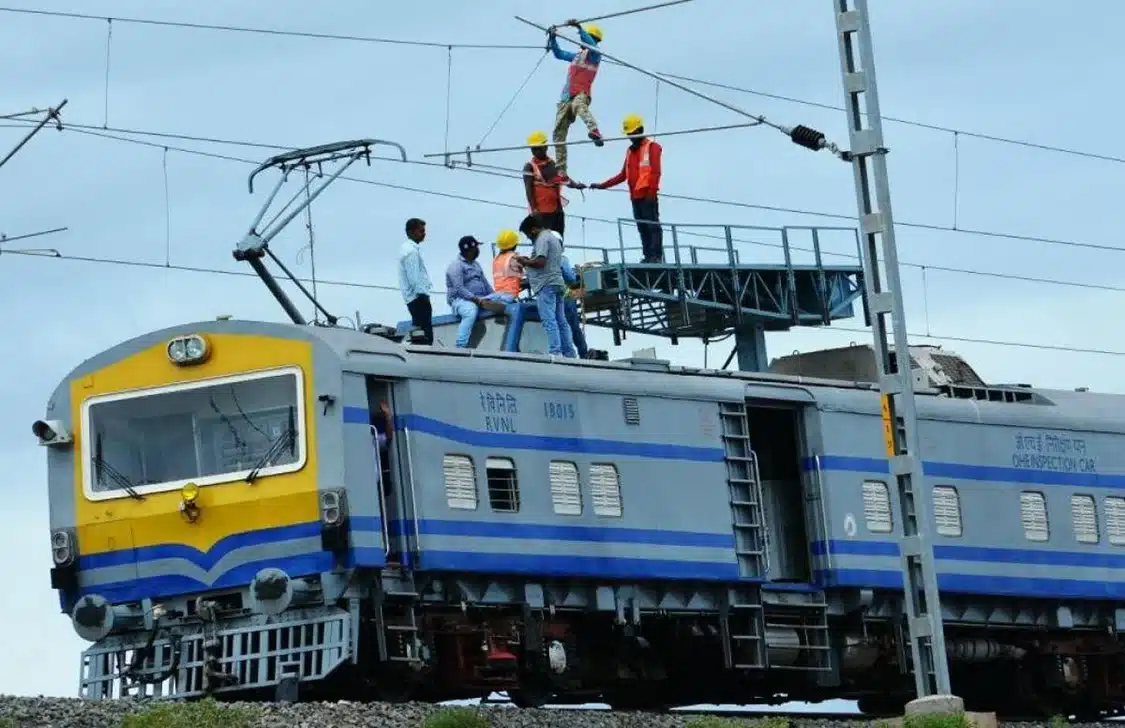
Indian Railways is making significant strides in its electrification efforts, achieving a remarkable 99.4% coverage of its Broad Gauge network. This ambitious initiative has led to a substantial reduction in diesel consumption, saving 178 crore liters in 2024-25 compared to 2016-17 levels, which represents a 62% decrease. The shift to electric traction not only enhances operational efficiency but also aligns with environmental goals, marking a transformative phase for rail operations across the nation.
Majority of Railway Zones Fully Electrified
Several railway zones in India have reached full electrification, including Central, Eastern, Northern, Western, East Coast, East Central, South Central, South Eastern, South East Central, and West Central Railways. Additionally, Konkan Railway and Kolkata Metro have also achieved this milestone. Other zones are close to completion, with North Western Railway at 99%, Northeast Frontier Railway at 99%, Southern Railway at 98%, and South Western Railway at 96%. At the state level, 25 states and Union Territories have fully electrified their railway networks. Rajasthan is at 99%, Assam at 98%, and Tamil Nadu and Karnataka at 97%, while Goa has achieved 91% electrification. This widespread progress indicates a near-complete transition to electric traction, significantly covering major freight and passenger corridors throughout the country.
Rs 29,826 Crore Spent on Electrification in Last Five Years
From 2020-21 to 2024-25, Indian Railways invested Rs 29,826 crore in electrification projects, including significant works in Tamil Nadu. The completion of these projects is influenced by various external factors, such as forest clearances, utility shifting, statutory approvals, terrain conditions, law and order issues, and climate-related challenges. This financial commitment underscores the Railways’ dedication to modernizing its infrastructure and enhancing operational efficiency through electrification.
Shift to Electric Traction Cuts Energy Import Burden
The transition to electric traction has notably decreased Indian Railways’ reliance on imported crude oil, improving long-term operational cost efficiency. In 2024-25, the Railways spent Rs 32,378 crore on total traction energy consumption. While bio-diesel testing has been conducted in the past, electric traction is recognized as significantly more advantageous from both cost and environmental perspectives. This shift not only supports sustainability goals but also helps in reducing the overall energy import burden for the country.
Waste Management Push to Improve Passenger Experience
In addition to electrification, Indian Railways is enhancing its waste management and cleanliness initiatives across trains and stations. Waste collected on trains is disposed of at designated en-route stations, with strict prohibitions against dumping waste on tracks. Regular rag picking along tracks helps maintain cleanliness, and plastic bottle crushing machines have been installed at various stations. Many stations have implemented two-bin segregation systems to separate biodegradable and non-biodegradable waste at the source. Collaborations with municipal bodies for local waste disposal have also been established. Furthermore, infrastructure such as sewage treatment plants and material recovery facilities has been set up at multiple locations. Regular passenger awareness campaigns and cleanliness drives under the Swachh Bharat Abhiyan are being conducted to promote proper waste disposal and maintain hygiene standards across the railway network.
Observer Voice is the one stop site for National, International news, Sports, Editor’s Choice, Art/culture contents, Quotes and much more. We also cover historical contents. Historical contents includes World History, Indian History, and what happened today. The website also covers Entertainment across the India and World.
Follow Us on Twitter, Instagram, Facebook, & LinkedIn

