

US Reduces Tariffs on India to 18%: Key Insights on the $30 Trillion India-US Trade Deal

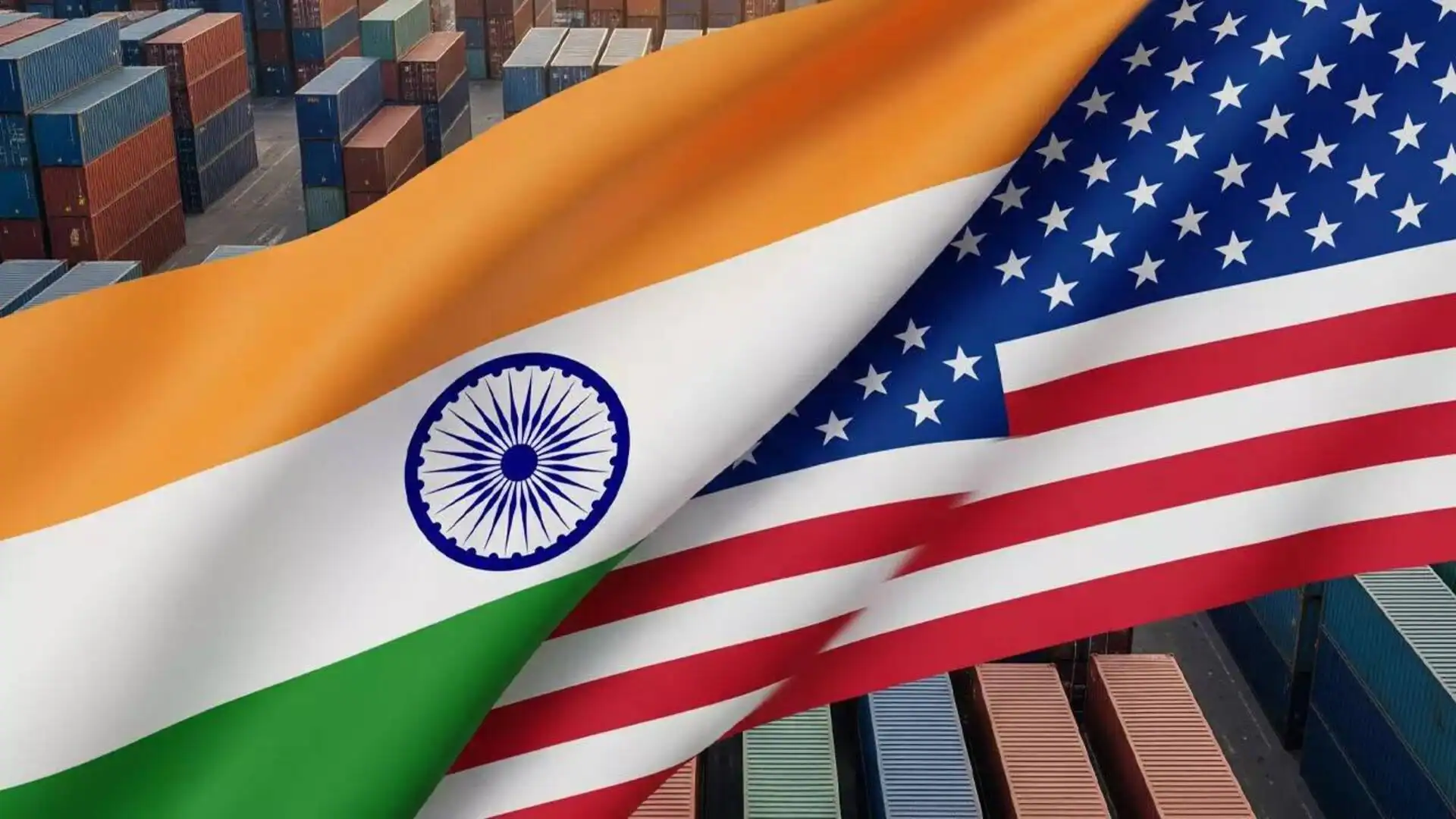
India and the United States have announced a significant step forward in their trade relations with the release of a joint statement detailing a framework for an interim trade agreement. This new pact will see tariffs on Indian goods slashed from 50% to 18%, marking a pivotal moment in negotiations that had previously stalled due to trade tensions. The agreement aims to foster reciprocal and mutually beneficial trade, reaffirming both nations’ commitment to broader bilateral trade discussions initiated by Prime Minister Narendra Modi and former President Donald Trump in early 2025.
Details of the Tariff Reductions
Under the newly established framework, the United States will reduce import duties on a variety of Indian products to 18%. This reduction will apply to textiles, apparel, leather, footwear, plastic and rubber products, organic chemicals, home decor, artisanal goods, and select machinery. Additionally, once the interim trade agreement is fully realized, the US plans to eliminate tariffs on several Indian exports, including generic pharmaceuticals, gems and diamonds, and aircraft parts. Conversely, India will also take steps to eliminate or reduce tariffs on all US industrial goods and a wide range of food and agricultural products, such as dried distillers’ grains, red sorghum, tree nuts, and various fruits.
Protection for Indian Agriculture
Union Commerce and Industry Minister Piyush Goyal emphasized that the agreement prioritizes the protection of Indian farmers and rural livelihoods. Sensitive agricultural and dairy products, including maize, wheat, rice, soya, poultry, milk, cheese, and certain vegetables, will be fully safeguarded under the new trade framework. This commitment aims to ensure that the interests of Indian farmers are not compromised while enhancing trade opportunities with the United States.
Future Trade Prospects
India has ambitious plans to purchase $500 billion worth of US energy products, aircraft parts, precious metals, technology products, and coking coal over the next five years. This substantial investment is expected to significantly boost bilateral trade and create new market opportunities. Furthermore, the White House has indicated that India will cease its imports of Russian oil and increase its procurement of US energy products, although India has yet to formally respond to this assertion. The Ministry of External Affairs has reiterated that energy security remains a top priority for the nation.
Enhancing Digital and Technological Cooperation
The trade framework also aims to tackle barriers to digital trade and enhance cooperation in technology sectors. Both nations plan to expand trade in technology products, including GPUs and data center goods, while working together to resolve non-tariff barriers affecting bilateral trade. India has committed to addressing longstanding barriers related to medical devices, ICT goods, and agricultural products, ensuring smoother market access for American exports. This comprehensive approach sets the stage for further negotiations and the eventual finalization of a full Bilateral Trade Agreement, with the potential for additional tariff reductions in the future.
Observer Voice is the one stop site for National, International news, Sports, Editor’s Choice, Art/culture contents, Quotes and much more. We also cover historical contents. Historical contents includes World History, Indian History, and what happened today. The website also covers Entertainment across the India and World.
Follow Us on Twitter, Instagram, Facebook, & LinkedIn

