

Utilising Large Carports for Industrial Equipment and Vehicle ShelterIntroduction

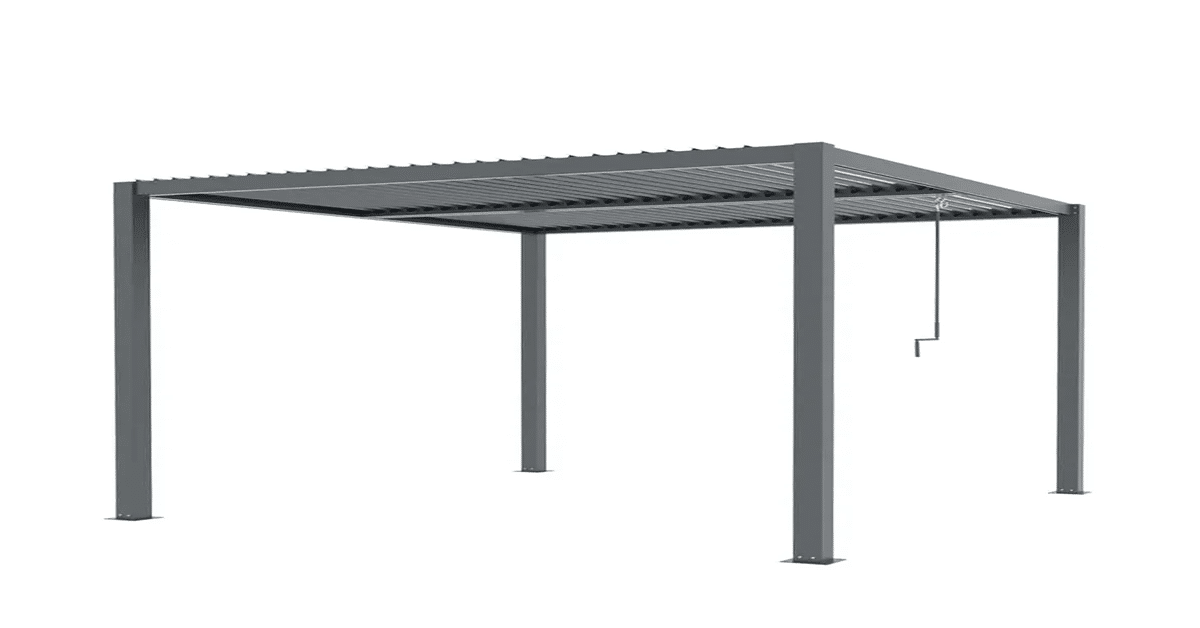
Protecting valuable assets from sun, rain, and hail is a significant concern for businesses managing fleets, machinery, and stored materials. While fully enclosed buildings offer maximum protection, they represent a substantial capital investment. A large open-sided shelter, such as a 6 × 9 m Metal Shed Carport with 2.9 m Open Sidewalls, provides a practical and economical compromise, offering substantial covered space for a variety of industrial applications without the cost of walls or complex foundations.
Technical Overview and Structural Design
This structure is a freestanding, clear-span shelter consisting of a steel-framed roof supported by posts. The key design feature is the high, open sidewalls, which provide excellent accessibility and ventilation. The roof is typically clad with corrugated metal sheeting, designed to efficiently shed water and withstand local weather conditions.
Primary Applications in Industrial and Logistical Settings
This type of shelter is highly versatile and suitable for:
- Providing covered parking for trucks, trailers, utility vehicles, and loading/unloading areas.
- Sheltering agricultural or construction machinery like tractors, excavators, and harvesters.
- Creating a dry, shaded workspace for equipment maintenance, assembly, or staging of materials.
- Offering protection for bulk materials, palletised goods, or containers stored temporarily outdoors.
The Importance of Asset Protection and Operational Continuity
Shielding equipment from direct UV exposure prevents premature degradation of tyres, hoses, and paintwork. Keeping loading docks and work areas dry during rain ensures operations can continue safely and efficiently. This protection extends the service life of assets, reduces maintenance costs, and minimises weather-related downtime, contributing directly to operational resilience and lower total cost of ownership.
Technical Fundamentals and Site Considerations
Planning for a large carport involves several critical technical and logistical factors.
- Dimensions and Clearance: The 6m width and 9m length define the covered area. The 2.9m open sidewall height must accommodate the tallest vehicle or piece of equipment intended for use, including any attachments.
- Engineering and Load Ratings: The structure must be engineered to comply with Australian standards for wind and snow loads (if applicable in the region). The quality of the steel sections and their galvanisation or painting is crucial for longevity.
- Foundation and Anchoring: A proper foundation, such as concrete piers or a reinforced slab, is essential for structural stability and safety, especially in high-wind areas.
- Site Drainage and Placement: The site must be level and well-drained to prevent water pooling under the shelter. Placement should consider access, prevailing winds, and future expansion.
Factors Affecting Longevity and Functional Performance
The longevity of the carport depends on the quality of materials and the standard of installation. Regular inspection for signs of corrosion, especially at bolt connections and the base of posts, is important. Ensuring gutters and downpipes (if fitted) are clear prevents water overflow and potential foundation issues. While open-sided, the orientation can affect how much weather penetrates; positioning the open side away from prevailing rain-driven winds can improve shelter quality.
Safety Considerations and Best Practices
While simpler than a fully enclosed building, safety remains paramount.
- Professional installation by qualified tradespeople is strongly recommended to ensure the structure is correctly erected and anchored.
- Clearly mark the support posts, especially if located in vehicle maneuvering areas, to prevent collision.
- Do not attempt to enclose the sides or hang excessive weight from the frame without consulting an engineer, as this can compromise structural integrity.
- Keep the area under and around the carport clear of debris and flammable materials.
- Ensure any electrical work for lighting is performed by a licensed electrician.
Equipment Types and System Components
The primary product is the carport kit. Key components include the primary steel columns, roof trusses or beams, purlins, corrugated roof sheeting, and all necessary fasteners and anchor bolts. Options may include enclosed gable ends, gutter systems, or different roof profiles.
Advantages and Practical Limitations
A balanced understanding of this shelter type is key for appropriate application.
- Advantages: Provides a large amount of covered space at a lower cost per square metre than an enclosed building. Excellent ventilation and easy access from all sides. Quicker to erect than a full shed. Protects assets from sun and rain effectively.
- Limitations: Does not provide security or full weather protection (wind-blown rain, dust). Offers no temperature control. Still requires a suitable prepared base and professional installation. Subject to local council development regulations and may require a building permit.
Real-World Application Example
A logistics company operates a fleet of delivery vans that are parked overnight. Constant sun and rain exposure are damaging the vehicles’ exteriors and interiors. The company installs a 6x9m carport with high sidewalls over a section of its parking area. The vans are parked under cover, protecting them from the elements, which reduces cleaning and maintenance frequency. The open sides allow for easy vehicle access and sufficient airflow, making it a cost-effective solution to extend fleet life.
Conclusion and Industry Outlook
For facility managers seeking to improve asset protection without the capital outlay for a fully enclosed building, a large metal carport presents a strategic and sensible solution. Its value lies in its simplicity, functionality, and cost-effectiveness for providing essential shelter. Future trends may include more integrated designs for rainwater harvesting and the use of solar panels on the large roof area. When properly specified, installed, and maintained, such a structure is a valuable addition to any industrial site, enhancing asset management and operational readiness.
Observer Voice is the one stop site for National, International news, Sports, Editor’s Choice, Art/culture contents, Quotes and much more. We also cover historical contents. Historical contents includes World History, Indian History, and what happened today. The website also covers Entertainment across the India and World.

