

House of Lords Report Highlights Key UK Interests Missing from UK-India FTA

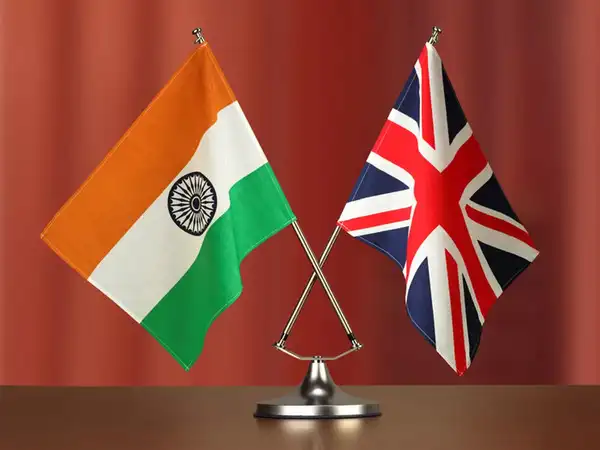
A recent report from the House of Lords select committee has raised concerns about the UK-India Free Trade Agreement (FTA), highlighting that key UK interests were overlooked during negotiations. While the agreement is recognized as a significant milestone with a historically protectionist partner, the committee emphasizes that it primarily focuses on goods and lacks substantial liberalization in services. The report also points out that the benefits for UK exporters may take time to materialize, contrasting with immediate advantages for Indian exporters.
Concerns Over Service Liberalization
The International Agreements Committee’s report critiques the UK-India FTA for its heavy emphasis on goods trade, stating that it does not adequately address the liberalization of services. The UK government failed to establish a bilateral investment treaty or make arrangements concerning legal services and financial services market access. Additionally, the report notes that there are no final agreements on mutual recognition of professional qualifications. This lack of focus on services is particularly concerning, as it limits the potential for UK businesses to expand in the Indian market, which is crucial for future economic growth.
Delayed Benefits for UK Exporters
The report indicates that UK exporters may not see the benefits of the FTA for several years due to the phased implementation and quotas outlined in the agreement. In contrast, Indian exporters are expected to experience immediate advantages. The Scottish Whisky Association, for instance, has expressed skepticism, suggesting that the full benefits of the agreement may not be realized for at least another decade. This disparity raises questions about the overall effectiveness of the FTA in promoting UK exports and enhancing trade relations with India.
Challenges and Non-Tariff Barriers
The inquiry also highlighted significant challenges posed by non-tariff barriers in India, which the committee described as “the elephant in the room.” The provisions related to financial services are seen as insufficient, merely locking in existing market access without offering new opportunities. Concerns persist regarding the lack of commitment to free cross-border data flows, which is vital for many businesses. William Bain, head of trade policy at the British Chambers of Commerce, noted that the initial negotiations under the Conservative government had aimed to pursue new markets for services exports, but this focus diminished in later discussions.
Public Procurement and National Insurance Issues
The report calls for a thorough impact assessment regarding the exemption of Indian workers and their employers from paying National Insurance for three years. It raises questions about the eligibility of UK workers who have contributed to the Employees Provident Fund for refunds. Furthermore, the committee criticized the public procurement provisions, stating they are limited to central government entities. It expressed concern that many covered entities do not utilize India’s e-procurement dashboard, which complicates access for UK companies seeking to participate in tenders. The findings of this report are set to be debated in the House of Lords in March, signaling ongoing discussions about the implications of the FTA.
Observer Voice is the one stop site for National, International news, Sports, Editor’s Choice, Art/culture contents, Quotes and much more. We also cover historical contents. Historical contents includes World History, Indian History, and what happened today. The website also covers Entertainment across the India and World.
Follow Us on Twitter, Instagram, Facebook, & LinkedIn

