

Shehbaz Sharif and Asim Munir Undertake Discreet Visits for Loans

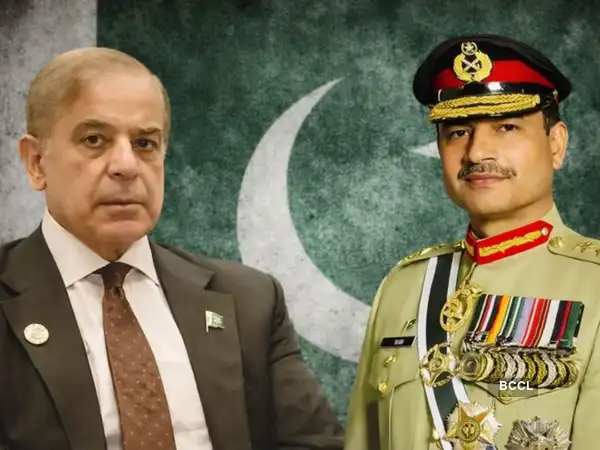
Pakistan’s Prime Minister Shehbaz Sharif has opened up about the severe impact of the country’s ongoing debt crisis, revealing that he and Army Chief Asim Munir have had to discreetly seek billions in loans from allied nations. Speaking to a group of businessmen and exporters, Sharif expressed gratitude for the support received from these countries while acknowledging the difficult compromises involved in securing such financial assistance. He emphasized the emotional toll of seeking loans, highlighting the loss of dignity that often accompanies such requests.
Debt Crisis and Loan Requests
During his address, Prime Minister Sharif candidly discussed the challenges Pakistan faces in managing its external financing gap. He noted that both he and General Munir had to “quietly” approach various nations to request substantial loans, which are crucial for maintaining the International Monetary Fund (IMF) program. “We requested friendly countries to grant us loans, and they did not let us down,” he stated, reflecting on the necessity of these financial arrangements. The Prime Minister’s remarks underscore the precarious position of Pakistan’s economy, which has historically relied on external support to stabilize its financial situation.
Sharif’s comments also highlight the emotional burden associated with seeking financial help. He explained that the process of soliciting loans often comes with a loss of self-esteem and the need to comply with the demands of lending nations. “When one seeks money from others, a price has to be paid in the form of lowered self-esteem,” he remarked, indicating the difficult compromises that come with such financial dependencies.
Support from Friendly Nations
In his speech, Sharif acknowledged the critical role that friendly nations, particularly China, have played in supporting Pakistan during this challenging period. He expressed gratitude for their assistance, which has been vital in bridging the financing gap. The Prime Minister’s acknowledgment of China’s support reflects the strategic partnerships that Pakistan has cultivated over the years, especially in times of economic distress.
This is not the first instance where Sharif has expressed discomfort regarding the need for loans. Earlier in January 2023, he admitted feeling embarrassed about asking for additional financial support, despite recognizing the importance of Saudi Arabia’s contributions. His repeated emphasis on the need for Pakistan to achieve self-sufficiency indicates a desire to reduce reliance on external financial assistance and foster a more sustainable economic model.
IMF Assistance and Economic Reforms
Pakistan has a long history of seeking assistance from the IMF, often accompanied by stringent conditions that require significant fiscal reforms, subsidy cuts, and measures to enhance revenue. The Prime Minister’s remarks come in the context of Pakistan’s recent financial dealings with the IMF, which approved a $7 billion bailout under its Extended Fund Facility (EFF) in September 2024. Additionally, in May 2025, the IMF provided a $1.4 billion loan aimed at bolstering the country’s economic stability and climate resilience.
These financial arrangements are crucial for Pakistan as it navigates its economic challenges. However, they also come with the expectation of implementing tough reforms that can be politically sensitive and socially challenging. The Prime Minister’s acknowledgment of these realities underscores the complex interplay between securing financial support and the obligations that accompany it.
Future Outlook and Self-Sufficiency
Looking ahead, Prime Minister Sharif has reiterated the importance of achieving economic self-sufficiency for Pakistan. He has called for a concerted effort to reduce the country’s dependence on IMF programs and external loans. This vision reflects a broader desire among Pakistani leaders to build a more resilient economy that can withstand external shocks and foster sustainable growth.
As Pakistan continues to grapple with its debt crisis, the government’s approach to managing its financial relationships with other nations will be critical. The Prime Minister’s candid acknowledgment of the challenges involved in seeking loans may resonate with the public, highlighting the need for transparency and accountability in financial dealings. The path to economic stability will require not only financial support but also a commitment to implementing necessary reforms that can pave the way for a more self-reliant future.
Observer Voice is the one stop site for National, International news, Sports, Editor’s Choice, Art/culture contents, Quotes and much more. We also cover historical contents. Historical contents includes World History, Indian History, and what happened today. The website also covers Entertainment across the India and World.
Follow Us on Twitter, Instagram, Facebook, & LinkedIn

