

Players Transition Back to Red-Ball Cricket as Ranji Season Kicks Off Following White-Ball Frenzy

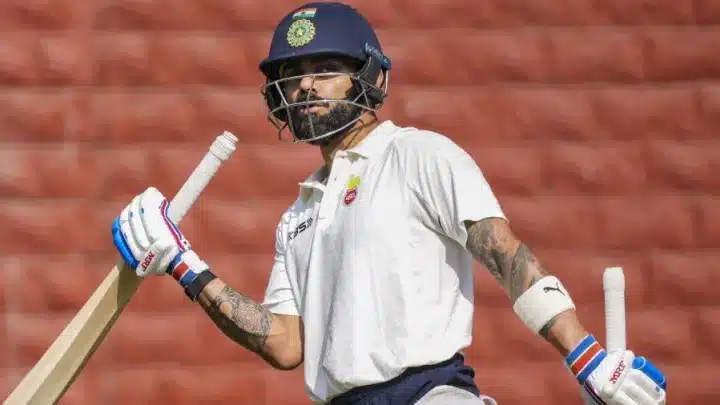
Sixty-three days have passed since the last Ranji Trophy match, a significant gap filled by two white-ball tournaments: the Syed Mushtaq Ali Trophy and the Vijay Hazare Trophy. As the Ranji Trophy resumes, questions arise about its relevance in the current cricketing landscape, especially with the T20 World Cup and IPL auction looming. The packed domestic calendar has raised concerns about the workload on players, particularly those in the domestic circuit, as they quickly transition back to red-ball cricket after the white-ball competitions.
Domestic Calendar Challenges
The domestic cricket calendar has faced scrutiny due to its congested schedule. Just hours after New Zealand celebrated their first ODI title in India, Vidarbha claimed their inaugural Vijay Hazare Trophy. Ironically, both significant tournaments were held on the same day, highlighting the ongoing tension between prioritizing domestic cricket and managing player workloads. The relentless pace of the calendar leaves little room for recovery, as evidenced by Vidarbha’s quick turnaround to face Andhra in Anantapur, while the runners-up returned home to host Punjab. This situation raises concerns about the sustainability of such a demanding schedule for players.
Player Perspectives on the Mid-Season Break
Maharashtra captain Ankit Bawne expressed his discontent with the mid-season break in the Ranji Trophy. He believes that the tournament’s prestige warrants a continuous format without interruptions. Bawne acknowledged the challenges of managing player workloads, especially for fast bowlers who have also participated in limited-overs formats. He emphasized the importance of keeping players fit for the knockout stages, should they qualify. Another anonymous player echoed these sentiments, pointing out that the transition between formats, particularly with semifinals and finals being played under lights, adds to the difficulty for athletes.
Adapting to the Demands of Different Formats
Bawne described the Ranji Trophy as the most challenging format in cricket, often referred to as a “grind.” Unlike white-ball cricket, where aggressive shots are more common, the Ranji format requires a different approach. He noted that cricketers today are mature and capable of adapting quickly to varying conditions and gameplay styles. As the domestic season approaches its conclusion, players must navigate the shift from white-ball to red-ball cricket effectively. Success in the Ranji Trophy may depend on how well players manage this transition, balancing the demands of both formats while maintaining peak performance.
Looking Ahead in the Domestic Season
With only two rounds remaining in the Ranji Trophy, the focus shifts to how players will handle the upcoming challenges. The blending of white-ball and red-ball cricket demands versatility and resilience. As teams gear up for the final stretch, the ability to adapt to different formats will be crucial. The ongoing discussions about the structure of the domestic calendar and player welfare will likely continue as stakeholders seek to find a balance that preserves the integrity of the Ranji Trophy while accommodating the evolving landscape of cricket in India.
Observer Voice is the one stop site for National, International news, Sports, Editor’s Choice, Art/culture contents, Quotes and much more. We also cover historical contents. Historical contents includes World History, Indian History, and what happened today. The website also covers Entertainment across the India and World.
Follow Us on Twitter, Instagram, Facebook, & LinkedIn

