

Government Proposes Aadhaar-like ID for Batteries to Enhance Traceability and Recycling in the EV Ecosystem

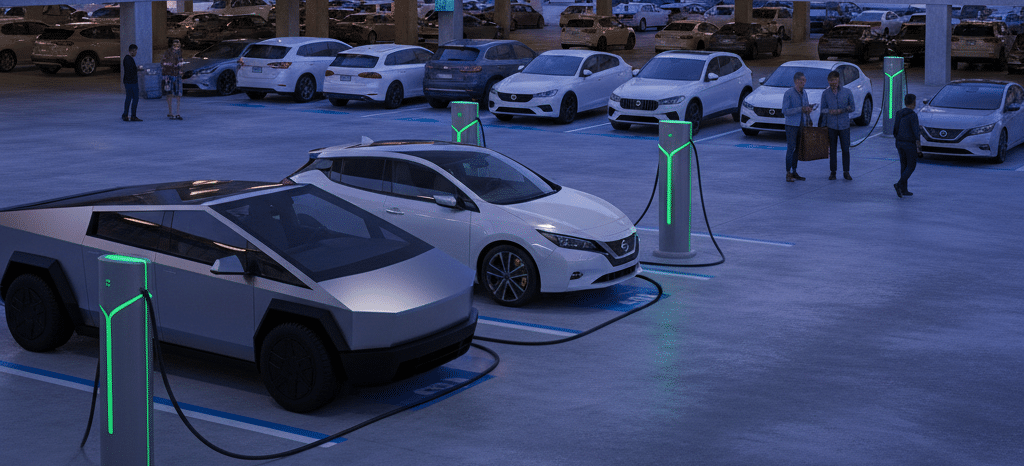
The Ministry of Road Transport and Highways has unveiled a groundbreaking proposal aimed at enhancing the traceability and recycling efficiency of electric vehicle (EV) batteries in India. The draft guidelines suggest the introduction of a unique identification number, termed the Battery Pack Aadhaar Number (BPAN), for every battery entering the market. This initiative is designed to ensure comprehensive tracking of batteries throughout their lifecycle, from production to disposal, thereby promoting sustainability and accountability within the battery ecosystem.
Introduction of Battery Pack Aadhaar Number
Under the proposed framework, battery producers and importers will be mandated to assign a 21-character BPAN to each battery they market, including those intended for self-consumption. This requirement aims to create a standardized identification system that facilitates the monitoring of battery performance and environmental impact. The guidelines specify that the BPAN must be displayed prominently on the battery, ensuring it remains intact and legible throughout its lifecycle. This initiative is part of a broader effort to enhance transparency in the rapidly growing EV sector, which currently accounts for a significant portion of lithium-ion battery demand in India.
Lifecycle Tracking and Data Management
The BPAN system is designed to capture essential information at every stage of a battery’s life, from raw material extraction and manufacturing to usage and eventual recycling or disposal. The guidelines stipulate that any modifications to the battery’s attributes, such as those resulting from recycling or repurposing, will necessitate the issuance of a new BPAN. This process ensures that all changes are documented and traceable, thereby enhancing the overall accountability of battery producers and importers. By requiring the upload of relevant dynamic data to an official BPAN portal, the ministry aims to create a comprehensive database that supports effective monitoring and regulatory compliance.
Focus on Electric Vehicle Batteries
The guidelines prioritize electric vehicle batteries, which currently represent 80-90% of the total lithium-ion battery demand in India. While the BPAN system is recommended for industrial batteries exceeding 2 kWh, the emphasis on EV batteries reflects their critical role in the automotive sector. The draft highlights the need for a focused approach to address the most impactful segments of the battery ecosystem, particularly given the safety implications and regulatory relevance associated with EVs. This targeted strategy is expected to facilitate the development of a robust framework that aligns with existing automotive regulations.
Stakeholder Engagement and Future Development
To ensure the successful implementation of the BPAN system, the ministry has proposed that the framework be developed through the Automotive Industry Standard route. This approach will involve structured consultations with stakeholders, technical validation, and alignment with current automotive regulations. By engaging industry experts and stakeholders, the ministry aims to create a comprehensive and effective system that enhances the sustainability and efficiency of battery usage in India. The introduction of the BPAN is a significant step towards fostering a more responsible and transparent battery ecosystem, ultimately benefiting both consumers and the environment.
Observer Voice is the one stop site for National, International news, Sports, Editor’s Choice, Art/culture contents, Quotes and much more. We also cover historical contents. Historical contents includes World History, Indian History, and what happened today. The website also covers Entertainment across the India and World.
Follow Us on Twitter, Instagram, Facebook, & LinkedIn

