

ALROSA CEO Discusses Diamond Market Outlook: India’s Adaptation to US Tariffs

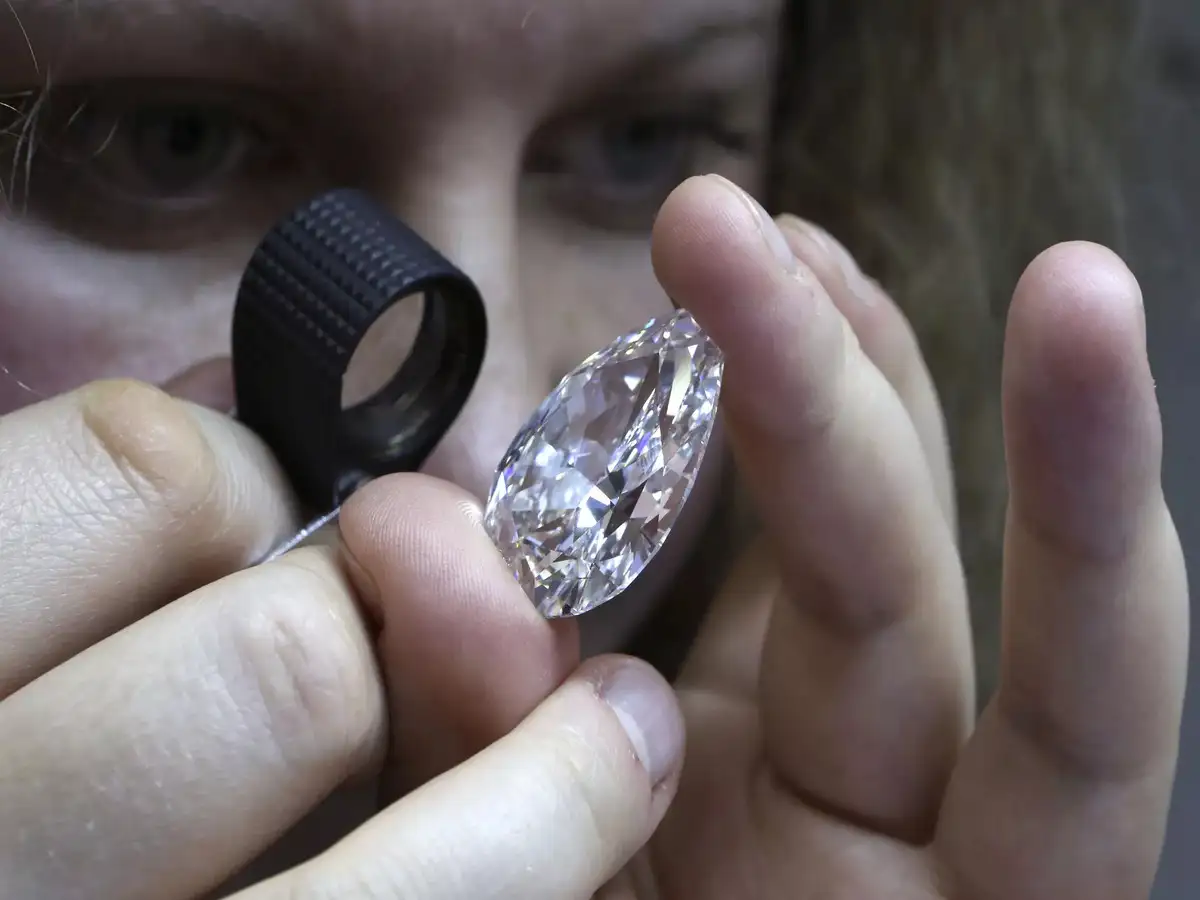
Russia’s diamond mining giant ALROSA is navigating the challenges posed by recent U.S. tariff hikes on polished diamond imports from India. CEO Pavel Maryinchev expressed confidence that while the industry will need time to adjust, the long-term effects of these tariffs are expected to be manageable. He noted that India’s cutting and polishing sector is likely to adapt, minimizing the impact on operations. As the holiday season approaches, there is optimism for a resurgence in demand, particularly in the luxury jewelry market.
Impact of U.S. Tariffs on the Diamond Industry
The recent increase in U.S. tariffs on polished diamond imports has raised concerns among diamond companies, but ALROSA’s CEO believes the industry will adapt. Maryinchev highlighted that the Indian cutting and polishing sector experienced a surge in diamond purchases in August and September, followed by a decline in October. He anticipates that the high tariffs will not have a lasting impact, as businesses will find ways to adjust. However, he acknowledged that some of the additional costs incurred due to tariffs may ultimately be passed on to consumers. Despite this, he noted that luxury jewelry buyers tend to be less sensitive to price changes, allowing retail brands to absorb some costs temporarily.
As the Christmas season approaches, Maryinchev expects demand in India to rebound, particularly as positive sales data emerges. He emphasized the need for diamond jewelry manufacturers to adapt to the new tariff structure and adjust their production processes accordingly. With ALROSA being the largest diamond miner globally, accounting for over 30% of the world’s output, the company is closely monitoring market conditions to maintain its leadership position.
Market Stability and Production Adjustments
ALROSA is also making strategic adjustments to its operations in response to market conditions. The company has suspended production at less profitable mines and anticipates a 10-15% decrease in output this year, following a production of 33 million carats in 2024. Maryinchev pointed out that while Indian cutting and polishing units have faced challenges over the past three years, demand remains strong in key markets, including the U.S., Europe, the Middle East, and India.
In the third quarter of 2025, major Indian retailers reported double-digit growth in sales, averaging a 29% increase year-on-year. Encouraging data from China further supports the notion of a market recovery. Maryinchev cited two primary factors contributing to this optimism: stable global demand for jewelry and a decline in diamond production. He noted that inventories throughout the diamond pipeline are gradually normalizing, creating favorable conditions for price recovery.
Challenges from Synthetic Diamonds
Maryinchev addressed the growing concerns regarding synthetic diamonds and their potential to replace natural stones. He observed a significant decline in wholesale prices for lab-grown diamonds, which dropped nearly 40% year-on-year in the third quarter of 2025. The price gap between synthetic and natural diamonds has widened, with natural diamonds now commanding a premium due to their unique qualities and historical significance.
He categorized synthetic diamonds as “expensive costume jewelry,” alongside other lab-created stones like moissanite and cubic zirconia. This distinction is particularly important for luxury consumers, who are willing to pay more for the authenticity and heritage associated with natural diamonds. As the market evolves, Maryinchev believes that natural diamonds will continue to hold a unique position, despite the rise of synthetic alternatives.
Environmental Considerations in Diamond Mining
ALROSA’s competitive advantage lies in its ability to guarantee the natural origin of its diamonds. Maryinchev countered claims that lab-grown diamonds are more environmentally friendly, citing studies that indicate significant carbon emissions associated with their production. He stated that the synthesis of diamonds requires substantial energy and contributes to air pollution, with emissions ranging from 300 to 500 kg of CO₂ per carat.
In contrast, ALROSA’s natural diamonds have a “negative carbon footprint,” absorbing over one million tonnes of greenhouse gases annually, equivalent to the environmental benefit of a million-acre forest. This finding has been validated through independent audits. The global jewelry market, valued at approximately $370 billion, sees natural diamond jewelry accounting for over $80 billion. Maryinchev concluded that there is ample room for both synthetic and natural diamonds in the market, with the latter expected to become increasingly rare in the coming years.
Observer Voice is the one stop site for National, International news, Sports, Editor’s Choice, Art/culture contents, Quotes and much more. We also cover historical contents. Historical contents includes World History, Indian History, and what happened today. The website also covers Entertainment across the India and World.
Follow Us on Twitter, Instagram, Facebook, & LinkedIn

