

Indonesia Floods Claim Over 500 Lives as Rescue Efforts Intensify

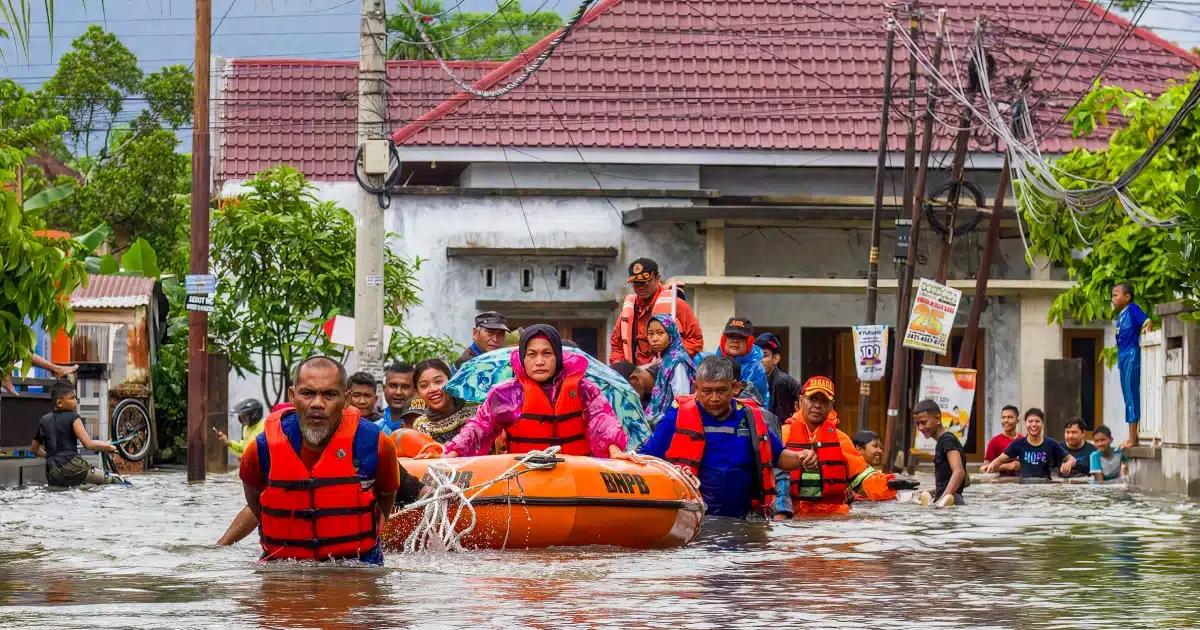
The recent floods in Indonesia have resulted in a devastating toll, with over 500 confirmed deaths and many more missing. Triggered by an unusual cyclone in the Malacca Strait, the floods have affected approximately 1.4 million people across three provinces. Rescue efforts are ongoing, but many areas remain inaccessible, leaving thousands without essential supplies and food. The situation is dire, as the nation grapples with the aftermath of this natural disaster.
Impact of the Floods
The floods have wreaked havoc primarily in the provinces of Aceh, North Sumatra, and West Sumatra. Reports indicate that thousands of residents are still stranded, cut off from vital resources. Eyewitness accounts describe the floodwaters as overwhelming, with one resident likening the experience to a tsunami. The devastation has left communities in shock, with many families facing the grim reality of missing loved ones. Rescue workers are struggling to reach those in need, often relying on foot or motorcycles due to impassable roads. Images from the affected areas depict washed-away bridges and roads buried under mud and debris, highlighting the scale of the disaster.
Desperate Need for Aid
As the situation unfolds, many residents are expressing urgent needs for food and clean water. Reports indicate that some individuals have gone without meals for two to three days. In Central Tapanuli, one of the hardest-hit regions, residents are facing severe shortages, with basic food items becoming scarce. One local described the desperate struggle for food, stating that even instant noodles are now a contested resource. Access to clean water and communication has also become a challenge, with residents walking long distances to find basic necessities. In Central Aceh, locals have been queuing for access to Starlink devices to connect with family members and recharge their phones, as communication networks remain down.
Government Response and Criticism
As rescue operations continue, frustration is mounting regarding the government’s response to the disaster. Critics argue that authorities were unprepared for the scale of the flooding, pointing to bureaucratic obstacles that have hindered the distribution of aid. President Prabowo Subianto, who visited affected areas, acknowledged the challenges faced by rescue teams but emphasized the government’s commitment to overcoming difficulties. He called for resilience and solidarity among the nation, asserting that Indonesia is capable of recovering from this disaster. The monsoon season, which typically runs from November to March, often brings heavy rainfall, and experts warn that climate change is contributing to more frequent and intense storms.
Broader Regional Context
Indonesia is not alone in facing severe weather conditions, as neighboring countries such as Thailand, Malaysia, and Sri Lanka have also reported fatalities due to recent storms and heavy rains. The widespread impact of these weather events underscores the urgent need for effective disaster preparedness and response strategies across the region. As Indonesia grapples with the aftermath of the floods, the focus will likely shift to long-term recovery efforts and the implementation of measures to mitigate the effects of future natural disasters.
Observer Voice is the one stop site for National, International news, Sports, Editor’s Choice, Art/culture contents, Quotes and much more. We also cover historical contents. Historical contents includes World History, Indian History, and what happened today. The website also covers Entertainment across the India and World.
Follow Us on Twitter, Instagram, Facebook, & LinkedIn

