

Government Aims to Alleviate Quality Control Order Challenges for Companies

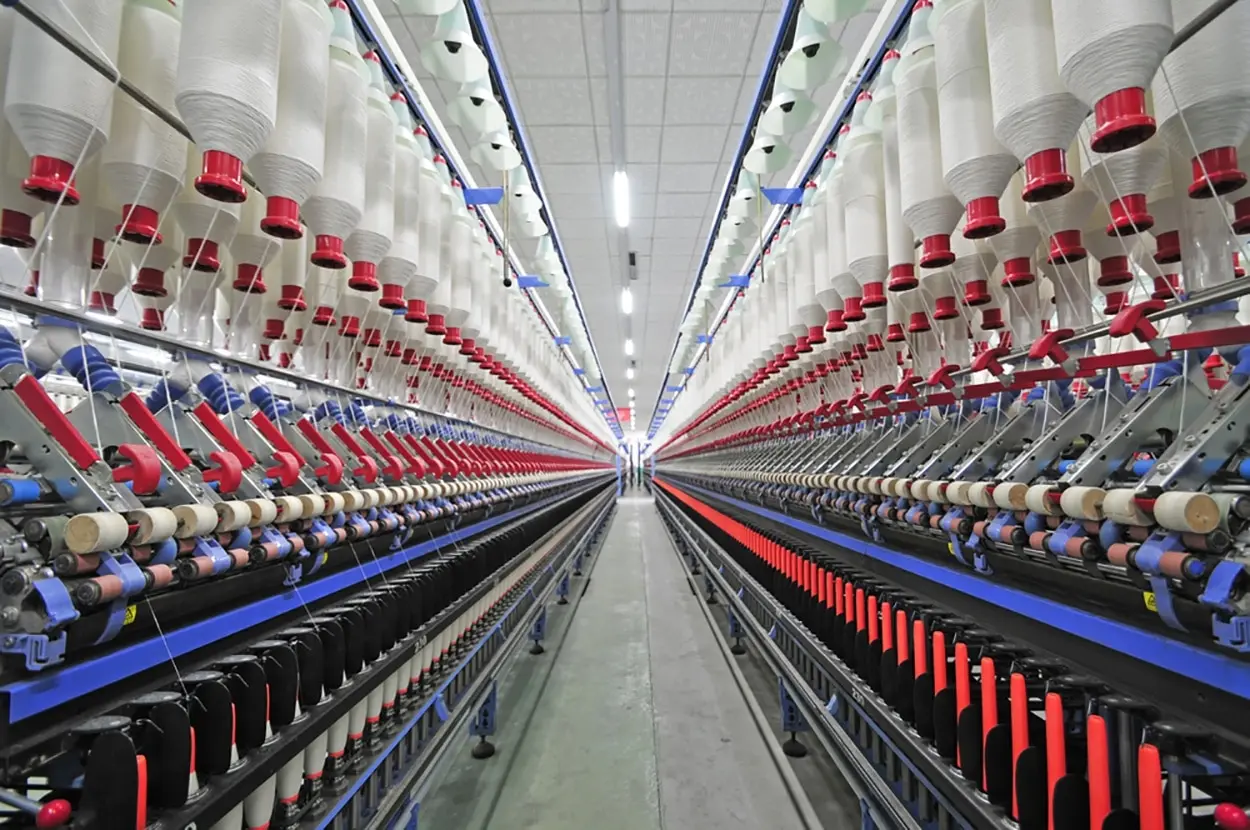
The Indian government is taking steps to address the growing concerns surrounding the implementation of Quality Control Orders (QCOs), which have faced significant criticism from various industries, particularly those reliant on imported materials. Currently, there are 191 QCOs in place, affecting 773 products, including furniture, textiles, and engineering goods. Officials acknowledge the need to streamline these regulations to prevent disruptions in supply chains, especially as complaints about the burdensome nature of these orders continue to mount.
The introduction of Quality Control Orders was intended to ensure minimum quality standards amid an influx of substandard imports, particularly from China. However, the backlash from the industry has been substantial. Many businesses have expressed frustration at the stringent regulations, which they argue hinder their operations. Complaints have been directed to various government bodies, including the Ministry of Commerce and Industry, the Department of Consumer Affairs, and even the Prime Minister’s Office. Industry representatives have suggested that the focus should be on regulating the final products rather than the inputs, which are often sourced from abroad. This has been particularly challenging for Indian manufacturers who depend on Chinese components, as the QCOs have disrupted their supply chains.
Government Response and Recommendations
In response to the widespread criticism, the government is reviewing the current framework of QCOs. A panel led by Niti Aayog member Rajeev Gauba has recommended the elimination of several QCOs to ease the burden on businesses. Officials have indicated that there is a recognition of the industry’s concerns at senior levels, and adjustments are being considered to ensure that the implementation of these orders does not impede business operations. The government has already begun to extend deadlines for compliance and has provided exemptions for Micro, Small, and Medium Enterprises (MSMEs) to facilitate a smoother rollout of the QCOs.
Impact on Domestic and Global Markets
While some administrative ministries argue that QCOs have led to an increase in local production by replacing cheap imports, the situation remains complex. Industry players have reported instances where luxury brands faced stock shortages due to delays in import clearances. This has raised concerns about the effectiveness of the QCOs in balancing quality control with market accessibility. Additionally, global companies have noted that the standards set by the Indian government may not align with those in Europe and the United States, further complicating compliance for products that are already considered high-quality in international markets.
As the government continues to navigate the challenges posed by QCOs, the focus remains on finding a balance that supports both quality assurance and business efficiency. Industry feedback is crucial in shaping future policies, and ongoing discussions are expected to lead to further adjustments in the QCO framework. The government aims to ensure that while quality standards are upheld, the operational realities of businesses are also taken into account, fostering a more conducive environment for both domestic and international trade.
Observer Voice is the one stop site for National, International news, Sports, Editor’s Choice, Art/culture contents, Quotes and much more. We also cover historical contents. Historical contents includes World History, Indian History, and what happened today. The website also covers Entertainment across the India and World.
Follow Us on Twitter, Instagram, Facebook, & LinkedIn

