

World Bank Report Uncovers Fiscal Faultlines in Pakistan’s Public Spending

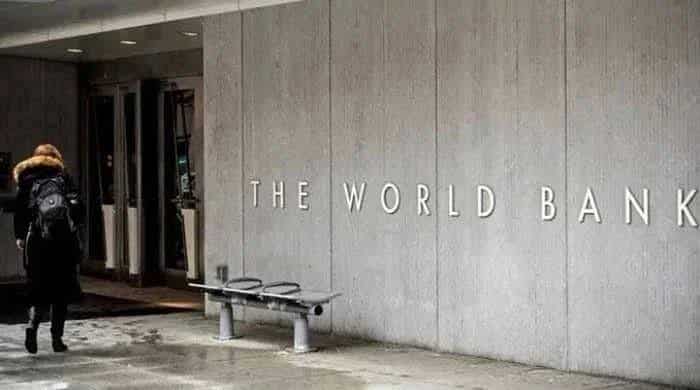
Years of fiscal decentralization in Pakistan have not succeeded in reducing regional spending disparities. Provincial capitals continue to receive significantly higher public spending per capita compared to the rest of their provinces. The World Bank’s report, “Strengthening Fiscal Federalism,” highlights Quetta as having the largest spending gap, with per capita expenditure of Rs 57,000, while the rest of Balochistan receives only Rs 12,000, a difference of approximately 475%.
Lahore follows with a notable disparity, where per capita spending is Rs 31,000 compared to Rs 7,000 in other districts of Punjab. In Khyber Pakhtunkhwa, Peshawar’s per capita expenditure is around Rs 35,000, while the rest of the province sees only Rs 10,000 per person. Karachi, despite having the smallest gap among provincial capitals, still has per capita spending 178% higher than in the rest of Sindh.
The World Bank’s report indicates that while spending disparities have narrowed since 2009, provincial capitals still receive a disproportionate share of development funding. Wealthier districts attract higher budget allocations, leaving poorer regions with chronic underinvestment. The report found no clear correlation between district-level funding and poverty rates or social indicators such as education, healthcare, and infrastructure needs.
Balochistan’s situation is particularly concerning, as the province faces longstanding underdevelopment and limited employment opportunities, often linked to unrest. Despite budget surpluses, Quetta continues to receive significantly more public funding than other districts. The report also points to weaknesses in local governance, noting that provincial finance commissions are largely inactive and local governments manage a dwindling share of provincial resources, which has decreased from about 10% in 2005 to 4.7% in 2024.
Additionally, the World Bank expressed concerns regarding the effectiveness of increased spending on education and healthcare. Although Punjab, Sindh, and Balochistan have raised education budgets significantly between FY09 and FY23, school enrollment and literacy rates have either stagnated or declined in some areas.
These findings emerge shortly after Pakistan’s auditor general reported widespread financial irregularities and procedural lapses across several federal ministries. The Ministry of Interior and Narcotics Control recorded the highest number of audit objections, highlighting issues such as unrecovered government dues and discrepancies in financial record-keeping.
Observer Voice is the one stop site for National, International news, Sports, Editor’s Choice, Art/culture contents, Quotes and much more. We also cover historical contents. Historical contents includes World History, Indian History, and what happened today. The website also covers Entertainment across the India and World.

