

Why Your Brain Creates Memories of Things That Never Happened

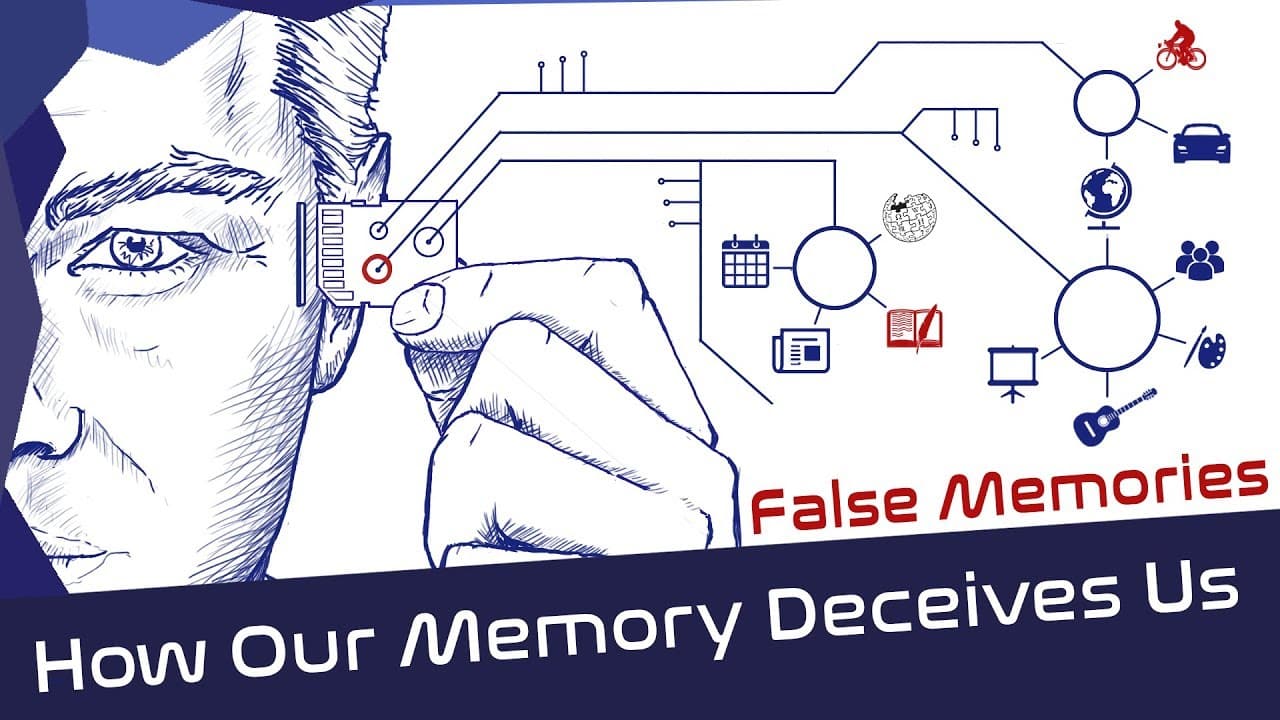
Eighteen-year-old Priya from Delhi had a vivid, detailed memory of her fifth birthday party. She could clearly “remember” wearing a pink frilly dress, blowing out candles on a princess-themed cake shaped like a castle, playing musical chairs with her cousins in the backyard, and receiving a large stuffed elephant as a gift from her grandmother. The memory felt absolutely real—she could see the scene, recall her emotions, and even remember specific conversations.
During a family gathering, Priya began sharing this cherished memory: “Remember my fifth birthday party? It was so wonderful—the princess cake, the musical chairs, and the elephant Dadi gave me. That was such a special day.”
Her mother looked confused. “Priya, you didn’t have a birthday party when you turned five. You were sick with chicken pox that entire week. You spent your birthday in bed with fever. We had a small family cake-cutting at home, just the four of us—no cousins, no games, no big celebration. And your grandmother gave you the stuffed elephant for Diwali that year, not your birthday.”
Priya felt genuinely shocked. “But I remember it so clearly! I can see myself in that pink dress at the party. I remember the whole day. How can something I remember so vividly not have happened?”
Her father pulled out the family photo album. The photographs from around her fifth birthday showed her in pajamas looking sick, with a small simple cake, surrounded only by her parents and brother. There was no pink dress, no party, no cousins, no games. The stuffed elephant appeared in Diwali photos months later.
“But my memory feels so real,” Priya insisted, genuinely disturbed. “If it didn’t happen, where did this entire detailed memory come from?”
Her psychology teacher later explained what had occurred: “Priya, you experienced false memory—a phenomenon where your brain created a vivid, detailed memory of an event that never actually happened. You probably saw photos of other family parties, heard stories about other children’s birthday celebrations, saw that stuffed elephant and connected it emotionally to birthdays, and over years, your imagination unconsciously combined these elements into a coherent ‘memory’ that feels completely real. Your brain can’t distinguish this constructed memory from genuine memories because the experience of remembering feels identical whether the memory is true or false.”
She continued: “False memories aren’t rare anomalies—they’re surprisingly common. Research shows that with simple suggestion techniques, psychologists can implant entirely false memories in a significant percentage of people. You can ‘remember’ being lost in a mall as a child when it never happened, ‘remember’ details of events you only heard about, or ‘remember’ participating in experiences you only imagined. What makes false memories dangerous is that they feel exactly as real as true memories—there’s no internal signal telling you ‘this memory is false.’ Confidence in a memory doesn’t prove its accuracy.”
This memory phenomenon—where imagination, suggestion, or constructed scenarios are experienced as genuine memories of actual events—affects eyewitness testimony, childhood recollections, historical understanding, and any situation where memory is treated as reliable evidence. Understanding false memory reveals why memory is not like video recording, why confident testimony can be completely wrong, why families have contradictory memories of shared events, and why your certainty about remembering something doesn’t guarantee it happened.
What Is False Memory?
False memory is a psychological phenomenon where a person recalls something that did not actually happen, or recalls it substantially differently from the way it occurred. False memories feel like genuine memories—they’re experienced as real recollections with sensory details, emotions, and confidence. The person isn’t lying or knowingly making things up; they genuinely believe they remember experiencing something that never happened or happened very differently. False memories can be entirely fabricated (remembering events that never occurred) or distorted (remembering events that happened but with significant incorrect details added).
The phenomenon was scientifically demonstrated by psychologist Elizabeth Loftus in landmark research. Studies at University of California, Irvine showed that through simple suggestion techniques, researchers could implant false childhood memories in approximately 25-30% of participants. People came to vividly “remember” being lost in a shopping mall as children, complete with detailed descriptions of their fear and who found them—even though these events never occurred. The memories felt completely real to those who developed them.
According to research from University of Washington, false memories form through several processes: source confusion (mixing up where information came from), imagination inflation (imagining events makes them feel more like memories), suggestion (others’ descriptions become your memories), and schema-driven construction (filling memory gaps with plausible typical details). These processes work together to create memories that feel authentic but correspond to events that never happened.
Studies from Harvard University demonstrate that false memories are particularly easy to create when: (1) the suggested event is plausible and consistent with the person’s life (more believable false memories form more easily), (2) the person imagines the event vividly (imagination creates memory-like traces), (3) authority figures suggest the memory (parents, therapists, investigators carry suggestive power), and (4) time has passed since the “remembered” event supposedly occurred (distant memories are more malleable than recent ones). These conditions make false memory formation surprisingly common in everyday life.
The Parable of the Village and the Story That Became History
A teaching tale tells of a village where an old woman would tell children stories every evening in the town square. One of her favorite stories was about the legendary “Great Flood” that supposedly occurred three generations ago, when the entire village was underwater for three days before the waters receded. She described how villagers climbed to rooftops, how boats were used in the streets, and how one brave boy swam to the neighboring village for help.
The children loved this story and heard it dozens of times over years. As they grew into adults, many of them retained vivid “memories” of their grandparents telling them about surviving the Great Flood—climbing to rooftops, seeing boats in streets, hearing about the brave boy. They could describe these scenes in detail, feeling certain they remembered their elders’ firsthand accounts.
A historian visiting the village researched its history and found no record of any great flood—no official documents, no damage records, no contemporary accounts from three generations ago. The village had experienced a minor flooding incident fifty years ago where water reached ankle-deep in some streets for a few hours, but nothing remotely resembling the dramatic multi-day inundation of the story.
When the historian shared this finding, many villagers were shocked. “But I remember my grandmother telling me about climbing to the roof to escape the flood!” insisted one middle-aged man. “I can hear her voice describing it. That memory is real!”
The historian explained: “Your memory of hearing the story is real—you genuinely heard the storyteller’s tale many times. But your memory has transformed the story into a memory of your grandmother’s testimony about a real event. The storyteller’s fictional tale became, in your memory, a family history passed down from someone who experienced it. Your brain converted fiction you heard into ‘memory’ of testimony about reality.”
He continued: “This is how false memories work. You heard a vivid story repeatedly during childhood. Each time you heard it, you imagined the scenes—the water, the rooftops, the boats. These repeated imaginings created memory traces similar to actual memories. Over time, your brain confused the source: instead of remembering ‘I heard a story about this,’ you remember ‘My family lived through this.’ The event feels real in memory even though it never happened. This is how myths become history, how family legends are born, and how entire communities can share vivid memories of events that never occurred.”
Buddhist philosophy addresses false memory in teachings about the unreliable and constructed nature of perception and memory. The Buddha taught that what we experience as solid reality is actually constructed by the mind through processes that are often inaccurate. False memory demonstrates this teaching empirically: what feels like solid factual memory of actual events is actually mental construction that can be completely disconnected from reality. This shows why clinging to perception and memory as ultimate truth leads to delusion—the mind constructs “realities” that aren’t real.
The Bhagavad Gita discusses this through Krishna’s teaching about maya—the illusory nature of perceived reality. Krishna teaches that what appears real may be illusion created by the play of the mind. False memory is a manifestation of this: minds create entire experienced “realities” (memories) that have no corresponding actual reality. This demonstrates the Gita’s warning not to trust appearances as ultimate truth—even the appearance of remembering doesn’t guarantee the remembered event was real.
How Your Mind Creates Memories of Things You Never Experienced
In childhood memory and family narrative, false memories are extremely common for early childhood events. Research shows that many people’s earliest “memories” from ages 2-4 are actually false memories constructed from photographs, family stories, and imagination. When you “remember” your second birthday party, you might actually be remembering the photographs and stories about it rather than the actual event. The memory feels firsthand but is constructed from secondhand sources.
Studies from City University of London found that approximately 40% of people’s earliest childhood memories are likely false—occurring at ages when autobiographical memory isn’t yet developed, or containing impossible details. People “remember” events from infancy with adult-level understanding, “remember” scenes from perspectives they couldn’t have had (aerial views, seeing themselves in the memory), or “remember” details that photographs show but experience wouldn’t (what they wore, who else was present).
In eyewitness testimony and criminal justice, false memories create serious problems because confident witnesses can vividly “remember” details that never occurred. Research shows that suggestive questioning, exposure to other witnesses’ accounts, and post-event information can create false memories in eyewitnesses who then testify with complete certainty about “facts” that are actually false memories. This has contributed to wrongful convictions based on sincere but false testimony.
Studies from University of California, Berkeley analyzing DNA exoneration cases found that approximately 75% of wrongful convictions involved mistaken eyewitness identification, and many of these involved false memories: witnesses became certain they “remembered” seeing the defendant at the crime scene due to suggestive identification procedures, even though the defendant was elsewhere. The witnesses weren’t lying—they genuinely remembered something that never happened.
In therapeutic settings and recovered memory controversy, false memory research became critical during the “recovered memory” debates of the 1990s. Some therapists used techniques (hypnosis, guided imagery, suggestion) that research shows can create false memories. Patients “recovered” memories of childhood abuse that never occurred, creating false accusations and destroyed families. Research demonstrated that these techniques are highly suggestive and can implant convincing false memories of traumatic events.
Studies from University of Washington showed that techniques marketed as helping people “recover repressed memories” actually often create false memories instead. When researchers used similar techniques with participants, they successfully implanted false traumatic memories (being attacked by an animal, nearly drowning, being lost) in significant percentages. The implanted memories felt completely real to participants, demonstrating that sincere belief in memory doesn’t prove its accuracy.
In everyday misinformation and social contagion of memory, false memories spread through social groups as people’s memories become contaminated by others’ accounts. Research shows that after witnessing an event, if people discuss it with others who remember it differently or who add details, witnesses’ own memories change to incorporate the false information. These newly-incorporated false details then feel like genuine memories of the original event.
Studies demonstrate that in group settings, false details can spread virally through memory: Person A adds a false detail when retelling an event, Person B hears this and it contaminates their memory, Person B retells it to Person C with the false detail now “remembered” as real, and so on. Entire groups can develop shared false memories of events that happened differently or not at all, all believing their false memories are accurate.
In advertising and consumer memory manipulation, false memories can be created through advertising imagery and narratives. Research shows that vivid advertising can create false memories of having experienced positive things about products that consumers never actually experienced. After seeing ads showing happy experiences with a product, consumers can develop false memories of having had those experiences themselves, influencing purchase decisions based on experiences that never occurred.
Studies from Duke University found that participants shown fabricated advertisements for Disney World featuring Bugs Bunny (who is actually a Warner Bros character never at Disney) developed false memories of meeting Bugs Bunny at Disney, complete with details about shaking his hand and hugging him—events that couldn’t have happened. The advertising imagery created false autobiographical memories that felt completely real.
In historical events and collective false memory, entire societies can develop shared false memories about historical events through repeated exposure to inaccurate portrayals in media, education, or cultural narratives. Research shows that people confidently “remember” seeing famous footage that doesn’t exist or remember historical events occurring differently than they did because fictionalized portrayals or false news reports created false memories.
Studies found that many people “remember” seeing footage of the first airplane hitting the World Trade Center on September 11, 2001, when no such live footage exists—cameras weren’t yet focused on the towers when the first plane hit. People constructed false memories from later repeated footage of the second plane and imagination about the first, then misremembered having seen what they only imagined or heard described.
Recognizing When Memory Might Be Fooling You
The most important practice for protecting against false memories is recognizing that confidence in a memory doesn’t guarantee its accuracy. The feeling “I remember this clearly so it must have happened” is unreliable because false memories feel exactly as real as true memories. When a memory is important (legal testimony, serious accusation, major decision), seek objective verification rather than trusting the memory’s convincing feeling.
Check memories against objective evidence when possible—photographs, documents, other reliable witnesses, records. If your memory conflicts with photographic evidence or multiple other witnesses, consider seriously that your memory might be false despite feeling real. Memory can be wrong even when it feels certain, but photographs and documents are generally more reliable.
Be especially skeptical of “recovered” memories from early childhood or memories that emerge after suggestion from others. Memories that suddenly appear after therapeutic techniques, hypnosis, leading questions, or hearing others’ accounts are more likely to be false than memories that have been continuous. True memories don’t need “recovery”—they’re accessible (even if sometimes unpleasant to think about).
Recognize that repeated imagination makes imagined events feel more like memories. If you’ve imagined or heard about an event many times, these repeated exposures can create false memory that feels like experiencing the event. Before trusting a vivid early childhood memory, consider whether you might be “remembering” photographs and stories rather than the actual event.
Accept that some memories you cherish might be false, and that’s okay as long as you don’t base important decisions on them. A false memory of a wonderful childhood event still provides emotional comfort even if the event didn’t happen exactly as remembered. The problem is when false memories are treated as facts for important purposes—testimony, accusations, decisions—where accuracy matters more than emotional value.
Remember Priya whose detailed fifth birthday party memory was entirely false, and the villagers who vividly “remembered” family testimony about a flood that never occurred. Both illustrate how thoroughly convincing false memories can be—indistinguishable in feeling from true memories, yet corresponding to events that never happened.
False memories can’t be completely prevented because they result from normal memory processes: imagination, inference, suggestion, and construction are part of how memory works. But recognizing false memory’s frequency and convincingness allows appropriate skepticism about memory’s reliability, especially for important matters. Memory is not videotape that plays back reality—it’s creative reconstruction that sometimes creates fiction experienced as fact. Treating memory as fallible rather than infallible, seeking verification rather than trusting confidence, and accepting that sincere belief in a memory doesn’t prove it happened are essential for navigating a world where brains routinely create memories of things that never occurred.
Frequently Asked Questions
How can I tell if a memory is true or false?
You often can’t tell by feeling alone—false memories feel exactly as real as true ones. Best approaches: (1) check objective evidence (photos, documents, records), (2) ask multiple reliable witnesses who were present, (3) be suspicious of memories that conflict with evidence or multiple witnesses, (4) be especially skeptical of childhood memories before age 4 or memories that “recovered” after suggestion. Confidence in a memory isn’t a reliable indicator of its truth.
Can therapists really implant false memories?
Research clearly shows yes—certain therapeutic techniques (repeated suggestion, guided imagery, hypnosis, pressure to “recover” memories) can create false memories. This doesn’t mean all therapy creates false memories, but it means techniques specifically aimed at “recovering” supposedly repressed memories are dangerous and can implant convincing false memories of events that never occurred. Ethical therapists avoid these techniques.
If I vividly remember something from age 3, is it definitely false?
Not definitely, but likely either false or substantially reconstructed from later sources (photos, stories). Most people can’t form lasting autobiographical memories before age 3-4 due to childhood amnesia. If you “remember” something from age 2-3, it’s most likely constructed from photographs and family stories rather than actual memory of experiencing the event, even though it feels like firsthand memory.
Does false memory mean people who claim abuse are lying?
No—some abuse claims are true, some involve false memories, and determining which is which requires careful investigation, not assumptions. False memory research shows that sincere belief in remembering abuse doesn’t prove it occurred, but it also shows that some people genuinely experienced abuse and accurately remember it. Each case requires individual assessment with proper investigation rather than blanket assumptions either way.
Can I make myself stop having a false memory once I know it’s false?
Difficult—knowing intellectually that a memory is false doesn’t make it stop feeling real. Even after being shown evidence that a memory is false, people often report the memory still feels real emotionally even though they now know intellectually it didn’t happen. The best approach is acknowledging the false memory exists, recognizing it intellectually as false based on evidence, but accepting you might not be able to change the feeling of remembering.
Observer Voice is the one stop site for National, International news, Sports, Editor’s Choice, Art/culture contents, Quotes and much more. We also cover historical contents. Historical contents includes World History, Indian History, and what happened today. The website also covers Entertainment across the India and World.

