

Vaccines and Immunization: The Intervention Preventing 4-5 Million Deaths Annually

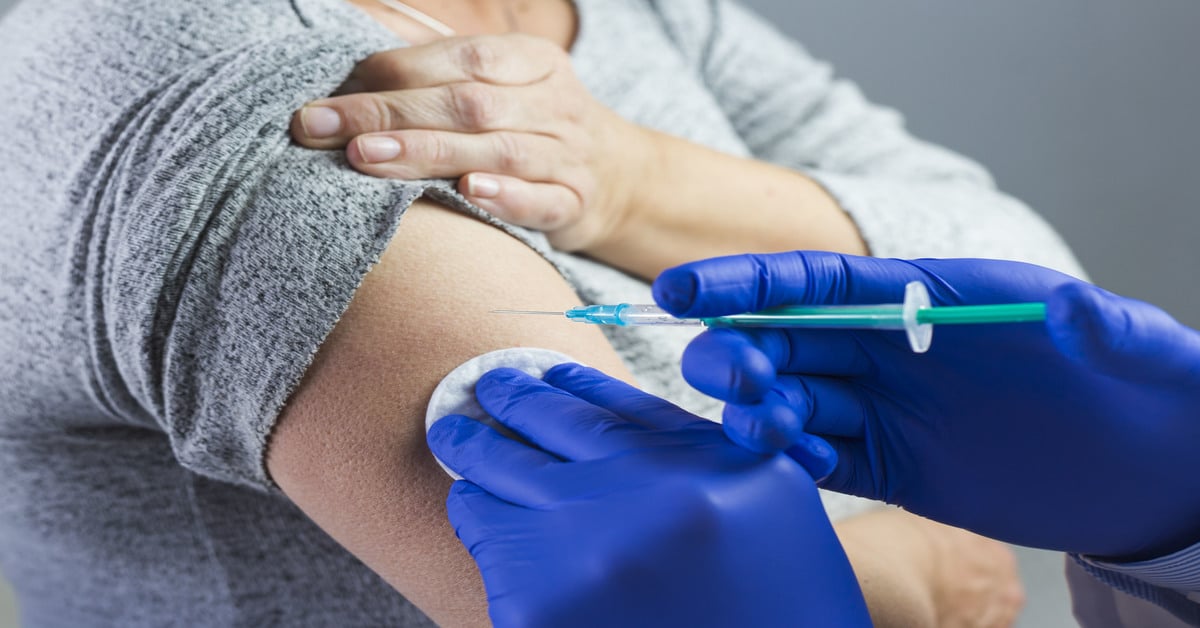
Key Facts
- Vaccines prevent 4–5 million deaths annually from diphtheria, tetanus, pertussis, influenza, and measles
- Immunization coverage reaches 84% of children globally, yet 20.5 million infants missed basic vaccines in 2022
- Measles cases surged 18% in 2022 as routine immunization dropped during COVID-19 disruptions
- WHO estimates vaccines could prevent an additional 1.5 million deaths annually if coverage reached 95% globally
- 67 countries have introduced new vaccines since 2010, expanding protection beyond traditional childhood diseases
When WHO released its July 2023 immunization data showing that global coverage had declined for the third consecutive year—the longest sustained drop in three decades—it confirmed what epidemiologists had warned: the “immunity debt” from COVID-19 disruptions would extract a toll measured in preventable child deaths. Measles outbreaks erupted in 37 countries between January and October 2023, killing 136,000 people, mostly children under five who missed routine vaccinations during pandemic lockdowns. This article examines vaccines and immunization through WHO’s latest coverage surveillance, explores why one of medicine’s most cost-effective interventions still leaves 20 million children unprotected annually, and investigates the health initiatives racing to rebuild immunization systems before coverage gaps become endemic.
What Are Vaccines and Immunization? — WHO’s Definition
According to WHO, vaccines are biological preparations that provide active acquired immunity to specific infectious diseases, containing agents resembling disease-causing microorganisms—often made from weakened or killed forms of the microbe, its toxins, or surface proteins. Immunization is the process by which a person becomes protected against a disease through vaccination, triggering the immune system to recognize and fight pathogens without causing the disease itself.
WHO distinguishes between active immunity (produced by the person’s own immune system following vaccination or natural infection) and passive immunity (temporary protection from antibodies transferred from another source, such as maternal antibodies passed to infants or immunoglobulin treatments). Vaccines work by presenting antigens to the immune system, prompting B cells to produce antibodies and T cells to develop memory responses—protection that can last years, decades, or lifetimes depending on the vaccine and pathogen.
The framework emphasizes that immunization protects both individuals receiving vaccines and communities through herd immunity—when enough people are immune, disease transmission breaks down, protecting those who cannot be vaccinated due to age, medical contraindications, or immune deficiency. WHO calculates that measles requires 95% population immunity to prevent sustained transmission, while less contagious diseases need lower thresholds.
Global Immunization Coverage & Impact
WHO’s 2023 immunization data shows that 20.5 million infants—roughly 1 in 6 children globally—missed basic vaccines in 2022, up from 18.1 million in 2019. The three-dose diphtheria-tetanus-pertussis (DTP3) vaccine coverage, used as a key indicator of immunization system strength, reached only 84% in 2022 compared to 86% in 2019—a decline representing 2.7 million more children left vulnerable.
Geographic disparities define the coverage gap. Ten countries account for 60% of unvaccinated children: Nigeria (2.3 million), India (2.9 million), Democratic Republic of Congo (1.1 million), Ethiopia (1.1 million), and Indonesia (0.8 million) lead the list. Sub-Saharan Africa shows the lowest regional coverage at 72%, while South Asia reaches 90% and Europe achieves 96%. WHO data reveals that conflict-affected countries show coverage rates 15–20 percentage points below their stable neighbors—Afghanistan, Yemen, and Syria all recorded coverage below 60% in 2022.
The mortality burden tells the impact story. According to WHO and UNICEF estimates, vaccines prevent 4–5 million deaths annually from diphtheria, tetanus, pertussis, influenza, and measles. Yet preventable diseases still kill: measles claimed 136,000 lives in 2022, while neonatal tetanus killed 25,000 despite a safe, effective vaccine existing since the 1960s. Research published in The Lancet calculated that expanding immunization to reach 95% global coverage would prevent an additional 1.5 million deaths annually—deaths occurring not because vaccines don’t exist, but because children can’t access them.
Disease resurgence follows coverage gaps with predictable precision. WHO’s measles surveillance documented 9 million cases in 2022, an 18% increase from 2021, concentrated in regions where vaccination campaigns were suspended during COVID-19. Polio, on the verge of eradication in 2019, detected new cases in previously polio-free countries including Malawi and Mozambique as supplementary immunization activities stalled. Pertussis hospitalizations in European countries rose 30% between 2021 and 2023 as coverage dipped below herd immunity thresholds.
Economic returns from immunization exceed nearly all other health interventions. A Health Affairs analysis calculated that for every dollar invested in childhood immunization in low- and middle-income countries, the return reaches $44 in broader economic and health benefits when accounting for treatment costs avoided, productivity gains, and prevented disability. The Global Vaccine Action Plan estimates that immunization prevented 37 million deaths between 2010 and 2020.
Zero-dose children—those who haven’t received even a single vaccine dose—number 12.4 million globally, representing 60% of all unvaccinated infants. These children concentrate in remote rural areas, urban slums, conflict zones, and marginalized communities facing multiple barriers: no birth registration (making them invisible to health systems), geographic isolation from facilities, parental hesitancy or refusal, and poverty preventing families from prioritizing preventive care when survival needs dominate.
Similar to how diagnostic testing capabilities determine disease detection, immunization coverage data depends on surveillance systems that may undercount hard-to-reach populations, meaning actual gaps could exceed official estimates.
Vaccine Development, Mechanisms & Coverage Barriers
Unlike therapeutic drugs treating existing disease, vaccines train immune systems to prevent future infections—a fundamentally different approach requiring different development pathways and facing distinct barriers to deployment.
Vaccine types span multiple platforms, each with advantages and limitations. Live attenuated vaccines (measles, rubella, varicella) contain weakened viruses providing strong, often lifelong immunity from a single dose but posing risks to immunocompromised recipients. Inactivated vaccines (polio IPV, hepatitis A) are safer but require multiple doses and boosters. Subunit vaccines (hepatitis B, HPV) contain only pathogen fragments, maximizing safety while sometimes generating weaker immune responses. Toxoid vaccines (tetanus, diphtheria) target bacterial toxins rather than pathogens themselves. mRNA vaccines, proven effective against COVID-19, represent the newest platform—instructing cells to produce antigens that trigger immunity.
Cold chain requirements create logistical bottlenecks. WHO reports that most vaccines require continuous refrigeration at 2–8°C from manufacturing through administration—a “cold chain” often breaking in low-resource settings lacking reliable electricity, refrigeration equipment, or transport infrastructure. Temperature excursions render vaccines ineffective without visible indication, meaning cold chain failures often go undetected until disease outbreaks reveal protection gaps. Heat-stable vaccines exist for some diseases, but developing thermostable formulations remains a priority for expanding access.
Vaccine hesitancy—defined by WHO as delay in acceptance or refusal despite availability—spreads across all income levels. The WHO Strategic Advisory Group of Experts (SAGE) identifies three core drivers: complacency (perceiving diseases as rare, making risks seem abstract), convenience (access barriers from cost, distance, appointment systems), and confidence (mistrust of vaccines, health systems, or policymakers). Social media amplifies hesitancy by spreading misinformation faster than public health messaging can counter. WHO data shows that countries with high vaccine confidence in 2015 saw measles coverage drop 5–8 percentage points by 2022 as online anti-vaccine communities grew.
Health system weaknesses account for most coverage gaps in low-income countries. Stockouts leave clinics without vaccines for weeks or months. Health worker shortages mean facilities close or operate limited hours. Fragmented information systems fail to track which children need vaccinations. User fees—even nominal charges of $0.50–1.00—deter poor families from preventive services when daily survival consumes all resources. A BMJ Global Health study of vaccination programs in 12 African countries found that supply chain failures, not hesitancy, explained 72% of coverage gaps.
Conflict and instability shatter immunization systems. Syria’s immunization coverage fell from 80% in 2010 to 47% in 2022 as facilities were destroyed, health workers fled, and families displaced. Similar patterns emerge across Yemen, South Sudan, and eastern Democratic Republic of Congo. Humanitarian vaccination campaigns operating in conflict zones face attacks on health workers, access blockages, and population movements disrupting follow-up doses for multi-dose vaccines.
COVID-19 disruptions created a coverage crisis whose effects persist years later. WHO tracking shows that 67 countries suspended or postponed immunization campaigns between March 2020 and December 2021. Lockdowns restricted clinic access, while health systems prioritized pandemic response over routine services. Misinformation linking COVID-19 vaccines to other vaccine safety concerns eroded confidence broadly. Recovery has been uneven: high-income countries returned to pre-pandemic coverage by 2022, while 38 low- and middle-income countries remained below 2019 levels.
This echoes patterns seen in pertussis resurgence despite effective vaccines, where coverage gaps—not vaccine failure—allow preventable disease persistence.
Health Impacts — Vaccine-Preventable Disease Burden
WHO identifies specific disease burdens that vaccines prevent or reduce, along with consequences when immunization systems fail.
Measles remains the most visible failure of incomplete immunization. The virus spreads so efficiently (90% of susceptible contacts become infected) that coverage below 95% allows outbreaks. WHO data shows measles killed 136,000 people in 2022, with children under five accounting for 95% of deaths. Complications include pneumonia (5–10% of cases), encephalitis (1 in 1,000), and immune system suppression lasting months post-infection—the latter leaving survivors vulnerable to other infections including pneumonia and diarrhea that often prove fatal.
Neonatal tetanus kills 25,000 newborns annually despite being entirely preventable through maternal vaccination. The disease occurs when Clostridium tetani spores contaminate umbilical cord stumps during unhygienic delivery, producing toxins causing muscle spasms and rigidity with 70–90% fatality in untreated cases. WHO’s maternal and neonatal tetanus elimination initiative targets high-burden countries through tetanus toxoid vaccination during pregnancy, yet 12 countries have not achieved elimination, concentrated in sub-Saharan Africa and South Asia.
Polio paralyzed 350,000 children annually in the 1980s before global eradication efforts began. Today, wild poliovirus persists in only Afghanistan and Pakistan, with 6 cases detected in 2023—a 99.9% reduction. Yet the final stretch proves hardest: conflict zones, vaccine-derived poliovirus from incomplete campaigns, and surveillance gaps threaten progress. Each polio case detected signals hundreds of silent infections in the community, as 99% of polio infections are asymptomatic or cause only mild illness while transmitting virus to others.
Pneumococcal disease kills an estimated 300,000 children under five annually despite pneumococcal conjugate vaccines (PCVs) reducing invasive disease by 80–90% in vaccinated populations. Streptococcus pneumoniae causes pneumonia, meningitis, and sepsis, with highest mortality in infants and immunocompromised individuals. WHO data shows that 140 countries have introduced PCVs since 2010, yet 54 countries—mostly in Africa—have not, leaving populations vulnerable. Vaccine cost ($3–7 per dose through Gavi compared to $50–100 at commercial prices) remains a barrier despite proven cost-effectiveness.
Rotavirus causes 215,000 child deaths annually from severe dehydrating diarrhea. Rotavirus vaccines reduce severe disease by 85–98% but face deployment barriers: oral live vaccines require cold chain maintenance and multiple doses, while effectiveness shows geographic variation (90%+ in high-income countries versus 50–60% in some African and Asian settings due to co-infections, malnutrition, and maternal antibody interference). WHO recommends universal rotavirus vaccination, yet only 115 countries have introduced it.
HPV-related cancers kill 342,000 women annually, primarily from cervical cancer. HPV vaccines preventing infection with cancer-causing viral strains offer near-complete protection when administered before sexual debut, yet global coverage for the full two-dose series reaches only 21% of adolescent girls. Low- and middle-income countries bearing 85% of cervical cancer burden show coverage below 10%. Access barriers include lack of school-based vaccination programs, cultural sensitivity around adolescent sexual health, and vaccine supply constraints that only began easing in 2023.
The cumulative burden mirrors discussions during World Cancer Day 2026, where preventable cancer deaths—including HPV-related malignancies—highlight gaps between available interventions and population access.
Immunization Service Delivery & Access Challenges
WHO reports that current approaches to delivering vaccines operate through routine immunization systems (scheduled clinic visits for infants and children), supplementary immunization activities (mass campaigns targeting specific diseases or populations), and outbreak response vaccination (emergency campaigns when disease detection triggers rapid containment efforts).
Routine immunization through primary health care facilities represents the ideal platform for sustained coverage. WHO’s Immunization Agenda 2030 prioritizes strengthening routine systems over reliance on campaigns, as integration with maternal-child health services, growth monitoring, and other preventive care creates efficiency and sustainability. Yet facility-based delivery fails to reach remote populations, nomadic communities, urban slum dwellers, and marginalized groups facing discrimination in health facilities.
Outreach services—mobile teams traveling to communities on scheduled intervals—extend reach but require resources, logistics, and coordination that many weak health systems cannot sustain. WHO data shows that outreach services account for 30–40% of vaccinations in sub-Saharan Africa, yet irregular schedules, stockouts, and inadequate cold chain equipment compromise quality. A child receiving one dose during an outreach visit may never complete the series if subsequent visits are delayed or cancelled.
School-based vaccination programs efficiently deliver HPV, meningococcal, and booster vaccines to adolescents, achieving coverage above 90% in countries with strong programs (Australia, United Kingdom, Rwanda). However, implementation requires coordination between health and education sectors, parental consent processes, and trained vaccinators—capacity often lacking in lower-resource settings. WHO notes that school-based delivery also misses out-of-school children, who often face highest disease risk due to poverty and marginalization.
Vaccine supply and procurement challenges create artificial scarcity despite manufacturing capacity. WHO’s Market Information for Access to Vaccines tracks that global vaccine manufacturing capacity could supply all needs if coordinated effectively, yet supply-demand mismatches persist. Long procurement lead times (18–24 months), unpredictable demand from campaigns, manufacturer prioritization of profitable markets, and insufficient competition for newer vaccines all contribute. Gavi, the Vaccine Alliance, pools demand from low-income countries to negotiate lower prices and guaranteed supply, yet countries transitioning out of Gavi eligibility often cannot afford market prices.
Health worker training and motivation gaps undermine immunization quality. WHO reports that in many settings, vaccinators lack training on cold chain monitoring, safe injection practices, contraindication assessment, and adverse event management. Performance-based incentives sometimes create perverse outcomes: providers focus on easily reached populations to meet targets while neglecting hard-to-reach communities requiring greater effort. Health worker strikes—common in underfunded systems—suspend immunization services for weeks, creating cohorts of unvaccinated children.
Information systems fail to track who’s been vaccinated and who needs follow-up. Paper-based records get lost, lack standardization, and don’t aggregate to show coverage gaps. Digital systems show promise but face implementation challenges: electricity access, device costs, connectivity requirements, training needs, and interoperability with other health databases. WHO’s Digital Adaptation Kit for Immunization provides implementation guidance, yet fewer than 30% of low-income countries have functional digital immunization registries.
Efforts to address these challenges parallel work in advancing diagnostic capabilities, where last-mile delivery determines whether technological advances actually reach populations in need.
Vaccine Policy & WHO’s Strategic Framework
WHO’s immunization strategy centers on the Immunization Agenda 2030 (IA2030), endorsed by the World Health Assembly in 2020, setting targets for 90% national vaccination coverage and 80% coverage in every district by 2030. The framework identifies seven strategic priorities: immunization for primary health care, commitment and demand, coverage and equity, life course and integration, outbreaks and emergencies, supply and sustainability, and research and innovation.
The Expanded Programme on Immunization (EPI), established by WHO in 1974, provides the operational blueprint for national immunization programs. EPI’s original six vaccines (BCG, DTP, polio, measles) have expanded to 14–16 vaccines in many countries, including hepatitis B, Haemophilus influenzae type b (Hib), pneumococcal conjugate, rotavirus, rubella, and HPV. WHO’s position papers provide evidence-based recommendations for vaccine introduction, scheduling, and target populations.
Gavi, the Vaccine Alliance, created in 2000, mobilizes resources to provide vaccines to the world’s poorest countries. Gavi’s model combines donor funding, vaccine manufacturer commitments, and country co-financing to achieve sustainable access. Since inception, Gavi reports supporting vaccination of over 1 billion children and preventing 17.3 million deaths. The organization’s 2021-2025 strategy targets “zero-dose” children, gender equity, fragile states, and supply security while preparing for pandemic threats.
The Global Polio Eradication Initiative (GPEI), a partnership of WHO, UNICEF, Rotary International, CDC, and the Bill & Melinda Gates Foundation, has driven wild poliovirus from near-ubiquitous presence to two endemic countries through coordinated mass vaccination campaigns. The GPEI strategic plan 2022-2026 aims for certification of eradication by 2026, though challenges persist: insecurity preventing access to children in conflict zones, vaccine-derived poliovirus circulation requiring novel oral polio vaccine 2 (nOPV2) deployment, and surveillance gaps in some regions.
Measles and rubella elimination programs operate regionally under WHO guidance. The Americas achieved measles elimination in 2016 (though importation-linked outbreaks have occurred since). WHO’s African Region aimed for elimination by 2020 but fell short due to coverage gaps, with endemic transmission persisting in Nigeria, Democratic Republic of Congo, and Somalia. The strategy combines achieving and sustaining 95% coverage with two doses of measles-containing vaccine, strengthening surveillance to detect cases within 48 hours, and conducting outbreak response campaigns.
Vaccine introduction processes follow WHO’s structured approach: disease burden assessment, cost-effectiveness analysis, health system readiness evaluation, and stakeholder engagement. Countries introducing new vaccines typically begin with pilot districts before national scale-up. WHO’s New Vaccine Introduction toolkit guides this process, though political economy factors—competing budget priorities, pharmaceutical industry lobbying, donor funding availability—often influence decisions as much as epidemiological data.
Vaccine safety surveillance through WHO’s Global Advisory Committee on Vaccine Safety monitors adverse events, investigates concerns, and provides evidence-based guidance countering misinformation. Pharmacovigilance systems in many low-income countries remain weak, limiting ability to detect rare adverse events and respond to safety concerns before they erode confidence. The VigiBase database, operated by the Uppsala Monitoring Centre, collects adverse event reports from 153 countries, enabling signal detection for potential safety issues.
WHO’s Global Efforts & Analysis
WHO’s immunization efforts operate across multiple simultaneous tracks: maintaining routine services, responding to outbreaks, driving disease elimination, introducing new vaccines, and rebuilding systems damaged by COVID-19 and other crises.
The Big Catch-Up campaign, launched by WHO and partners in April 2023, targets the 20.5 million children who missed vaccinations during 2020-2022. The initiative provides technical support, funding coordination, and advocacy to help countries plan and implement catch-up activities. Early results show mixed progress: 32 countries conducted successful campaigns reaching over 80% of targeted children, while 19 countries failed to implement planned activities due to funding gaps, health worker strikes, or competing emergencies. The campaign extends through 2024, though WHO acknowledges that reaching zero-dose children—who weren’t accessed even before COVID-19—requires more than intensified campaigns.
The Immunization Agenda 2030 mid-term review, conducted in late 2024, delivered sobering findings: only 14 countries are on track to meet the 90% national coverage target by 2030, while 68 countries show stagnant or declining coverage since IA2030’s launch. The “leave no one behind” equity goal seems further away—district-level coverage gaps within countries actually widened between 2020 and 2023 as urban and easily reached populations recovered faster than remote, marginalized communities.
Malaria vaccine introduction represents a historic breakthrough. WHO’s October 2021 recommendation of the RTS,S/AS01 malaria vaccine for children in endemic regions, followed by October 2023 recommendation of the R21/Matrix-M vaccine, marks the first time broadly protective vaccines exist for a parasitic disease. Ghana, Kenya, and Malawi piloted RTS,S vaccination starting in 2019, reporting 13% reduction in severe malaria and 9% reduction in all-cause child mortality. WHO’s malaria vaccine implementation program aims to reach 40–50 million children by 2030, though vaccine supply, delivery system capacity, and funding remain constraints.
COVID-19 vaccine deployment exposed and exacerbated existing immunization system inequities. While high-income countries achieved 70–80% coverage within a year, sub-Saharan Africa languished below 20% coverage through late 2022. The COVAX initiative, designed to ensure equitable access, struggled with vaccine nationalism, supply shortages, hesitancy, and delivery bottlenecks. WHO’s Global COVID-19 Vaccination Strategy emphasizes that pandemic vaccine inequity wasn’t just unjust—it was epidemiologically dangerous, allowing variant evolution in under-vaccinated populations that ultimately affected everyone.
Here’s the strategic problem WHO confronts: immunization ranks among the most cost-effective health interventions ever developed, with returns exceeding $44 per dollar invested. The science works—vaccines prevent disease when delivered. Yet the global immunization architecture hasn’t achieved what’s technically feasible for over 50 years. Why?
The analysis points to three structural failures. First, financing remains fragile and donor-dependent in countries bearing highest disease burden. Gavi support is transformative but creates dependency—countries graduating from eligibility often cannot sustain programs at market prices, leading to coverage declines. Domestic investment in immunization averages 0.8% of government health budgets in sub-Saharan Africa—inadequate for sustaining expanded schedules.
Second, immunization systems have been treated as vertical programs rather than integrated primary health care components. This creates fragility: when routine systems weaken, as during COVID-19, immunization collapses because it’s separated from general health services. Countries with strong primary care platforms (Thailand, Costa Rica, Rwanda) maintained immunization during the pandemic while vertical program-dependent countries saw coverage crash.
Third, immunization hasn’t achieved the political salience of HIV, tuberculosis, or malaria despite preventing more deaths than those three diseases combined. Successful prevention is invisible—children who don’t get measles don’t generate media coverage or political pressure. Failures (outbreaks) receive attention, but budgetary decisions made years earlier determined whether those outbreaks occurred. This temporal disconnect between policy choices and visible outcomes makes sustaining political commitment difficult.
The comparison to smallpox eradication—the only disease ever eliminated through WHO-led vaccination—is instructive. Smallpox eradication succeeded because it had a defined endpoint, generated visible drama during the final cases, and operated as an intensive time-limited campaign. Routine immunization requires sustaining effort indefinitely, achieving incremental gains, and preventing events that never happen—a fundamentally harder political proposition despite similar or greater impact.
Frequently Asked Questions
WHO estimates that vaccines prevent 4–5 million deaths annually from diphtheria, tetanus, pertussis, influenza, and measles. Immunization also prevents illness, disability, and long-term complications in tens of millions more. Research shows that expanding coverage to reach WHO’s 95% target globally would prevent an additional 1.5 million deaths each year—deaths occurring not because effective vaccines don’t exist, but because 20.5 million children annually miss immunization.
According to WHO, vaccines undergo rigorous safety testing before approval, with ongoing monitoring after introduction. Serious adverse events are extremely rare—less than 1 per million doses for most vaccines. Common side effects like injection site soreness or low-grade fever are mild and temporary. WHO’s Global Advisory Committee on Vaccine Safety reviews evidence continuously and concludes that vaccine benefits vastly outweigh risks. The committee investigates concerns promptly and transparently when safety questions arise.
WHO explains that immune system maturation and vaccine formulation determine dosing schedules. Inactivated vaccines typically need 2–3 doses to build adequate antibody levels, while live attenuated vaccines often protect after a single dose. Booster doses months or years later strengthen memory immune responses that may fade over time. Multi-dose schedules maximize protection while balancing immune response, safety, and logistical feasibility of repeated vaccinations.
WHO reports this concern is unfounded—children’s immune systems handle thousands of antigens daily from environmental exposures. Modern vaccines contain fewer antigens than previous versions despite protecting against more diseases. A child receives roughly 150–200 antigens through the full vaccination schedule compared to 3,000 antigens in older smallpox vaccine alone. Studies show that vaccinated children have no higher rates of infections than unvaccinated children.
According to WHO, countries introduce vaccines based on disease burden, cost-effectiveness, health system capacity, and financing availability. Diseases common in one region may be rare elsewhere—yellow fever vaccine is essential in endemic areas but unnecessary where the disease doesn’t occur. Newer vaccines like pneumococcal conjugate and rotavirus are being phased in globally, but cost and delivery requirements mean low-income countries often adopt them 10–20 years after introduction in wealthy nations.
Sources
- World Health Organization. Vaccines and Immunization. https://www.who.int/health-topics/vaccines-and-immunization
- World Health Organization. Immunization Coverage Fact Sheet. https://www.who.int/news-room/fact-sheets/detail/immunization-coverage (2023)
- WHO & UNICEF. Immunization Data: Global and Regional Trends 2010-2022. https://www.who.int/immunization/monitoring_surveillance/data/en/ (2023)
- Ozawa S, et al. “Return on investment from childhood immunization in low- and middle-income countries, 2011–20.” Health Affairs, 2016.
- WHO. Immunization Agenda 2030: A Global Strategy to Leave No One Behind. https://www.who.int/teams/immunization-vaccines-and-biologicals/strategies/ia2030 (2020)
Disclaimer
This article adapts publicly available information from WHO’s Vaccines and Immunization page. This content is for informational and educational purposes only and does not constitute medical advice. ObserverVoice.com is a news and information platform—not a healthcare provider.
Observer Voice is the one stop site for National, International news, Sports, Editor’s Choice, Art/culture contents, Quotes and much more. We also cover historical contents. Historical contents includes World History, Indian History, and what happened today. The website also covers Entertainment across the India and World.

