

US-Iran Conflict Triggers Concerns: Impact on Crude Oil Shipments to China and India via Strait of Hormuz

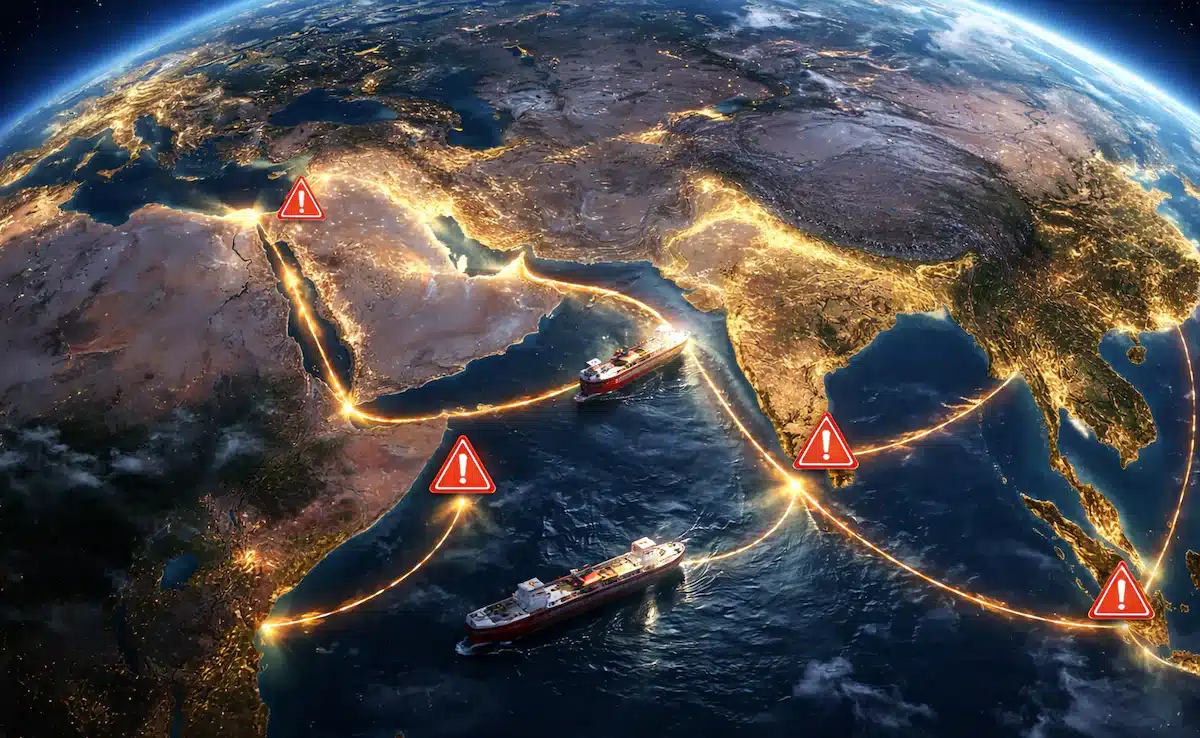
The ongoing conflict involving the United States, Israel, and Iran has led to a significant escalation in tensions, particularly affecting the Strait of Hormuz, a crucial maritime corridor for global oil trade. With tanker movements halted, oil prices have surged, raising concerns about the stability of international energy markets. The Strait of Hormuz, which facilitates about 20% of the world’s oil shipments, is now at the center of geopolitical strife, posing serious implications for countries reliant on oil imports, especially India and China.
Strategic Significance of the Strait of Hormuz
The Strait of Hormuz is a narrow waterway that connects the Persian Gulf to the Gulf of Oman, measuring approximately 33 kilometers at its narrowest point. This vital passage is essential for international shipping, as it allows vessels to access major global sea routes. Although parts of the strait fall within the territorial waters of Iran and Oman, it is recognized as an international passage, open to ships from all nations. Historically, the strait has been a key trade route, facilitating the movement of goods such as silk and textiles. In modern times, it serves as a critical transit point for oil and gas exports from countries like Saudi Arabia, Iraq, and Iran, with a significant portion destined for Asian markets.
The current situation has raised alarms among energy analysts. Hakan Kaya, a senior portfolio manager at Neuberger Berman, emphasized the potential consequences of a prolonged disruption. While a short-term interruption might be manageable, a complete shutdown lasting a month or more could drive crude prices to unprecedented levels, potentially exceeding $100 per barrel. Despite alternative pipelines operated by Saudi Arabia and the UAE, most oil volumes passing through the strait lack other exit routes, heightening the stakes for global energy security.
Shipping Operations Suspended
As tensions escalate, major shipping lines have begun suspending operations in the region. Maersk, the world’s largest container shipping company, announced a halt to all vessel transits through the Strait of Hormuz until further notice. Other significant operators, including Hapag-Lloyd and CMA-CGM, have issued similar advisories. According to Clarksons Research, approximately 3,200 vessels, accounting for about 4% of global shipping tonnage, are currently idle in the Persian Gulf due to the ongoing conflict.
Iran has taken a hardline stance, warning vessels against attempting to navigate the strait. Iranian Brig. Gen. Ebrahim Jabbari declared the strait effectively closed, threatening to set ablaze any ship that attempts to cross. This aggressive posture has further complicated the situation, as shipping companies weigh the risks of operating in a volatile environment. The potential for increased insurance costs and the need for military escorts from the U.S. Navy could also impact shipping logistics and costs in the region.
U.S. Government Response
In response to the escalating situation, U.S. President Donald Trump announced measures to support shipping operations in the Persian Gulf. He directed the U.S. development finance agency to offer political risk insurance for vessels transporting oil and other cargo through the region. This insurance aims to protect companies from financial losses due to political instability or acts of violence. Additionally, Trump indicated that the U.S. Navy would provide escorts for oil tankers if necessary, reinforcing the military presence in the area.
The U.S. Navy currently maintains a fleet in the region, including destroyers and littoral combat ships, which have previously been deployed to safeguard commercial shipping. These measures reflect the U.S. commitment to ensuring the safe passage of vessels through the Strait of Hormuz, a critical artery for global energy supplies.
Impact on India and China
The closure of the Strait of Hormuz poses significant challenges for countries like India and China, which heavily rely on oil imports from the region. India, in particular, imports approximately 2.5 to 2.7 million barrels of crude oil daily through the strait, primarily from Iraq, Saudi Arabia, and the UAE. Recent shifts in India’s import strategy, including a reduction in Russian oil intake, have increased its vulnerability to disruptions in Gulf oil supplies.
While India has diversified its oil procurement sources, Gulf-origin crude remains essential due to its logistical advantages. The government has stated that it is currently in a “comfortable position” regarding energy security, with sufficient reserves to meet domestic needs. In contrast, China, the world’s largest energy importer, has a more robust buffer against price fluctuations due to its extensive crude reserves. This strategic advantage may allow China to navigate the crisis more effectively, potentially increasing its exports of refined fuels if Middle Eastern supplies become constrained.
As the situation continues to evolve, the global community remains watchful of developments in the Strait of Hormuz, understanding the far-reaching implications for energy markets and international trade.
Observer Voice is the one stop site for National, International news, Sports, Editor’s Choice, Art/culture contents, Quotes and much more. We also cover historical contents. Historical contents includes World History, Indian History, and what happened today. The website also covers Entertainment across the India and World.

