

US Considers Lifting Sanctions on 140 Million Barrels of Iranian Oil Amid Gulf War Impact on Energy Markets

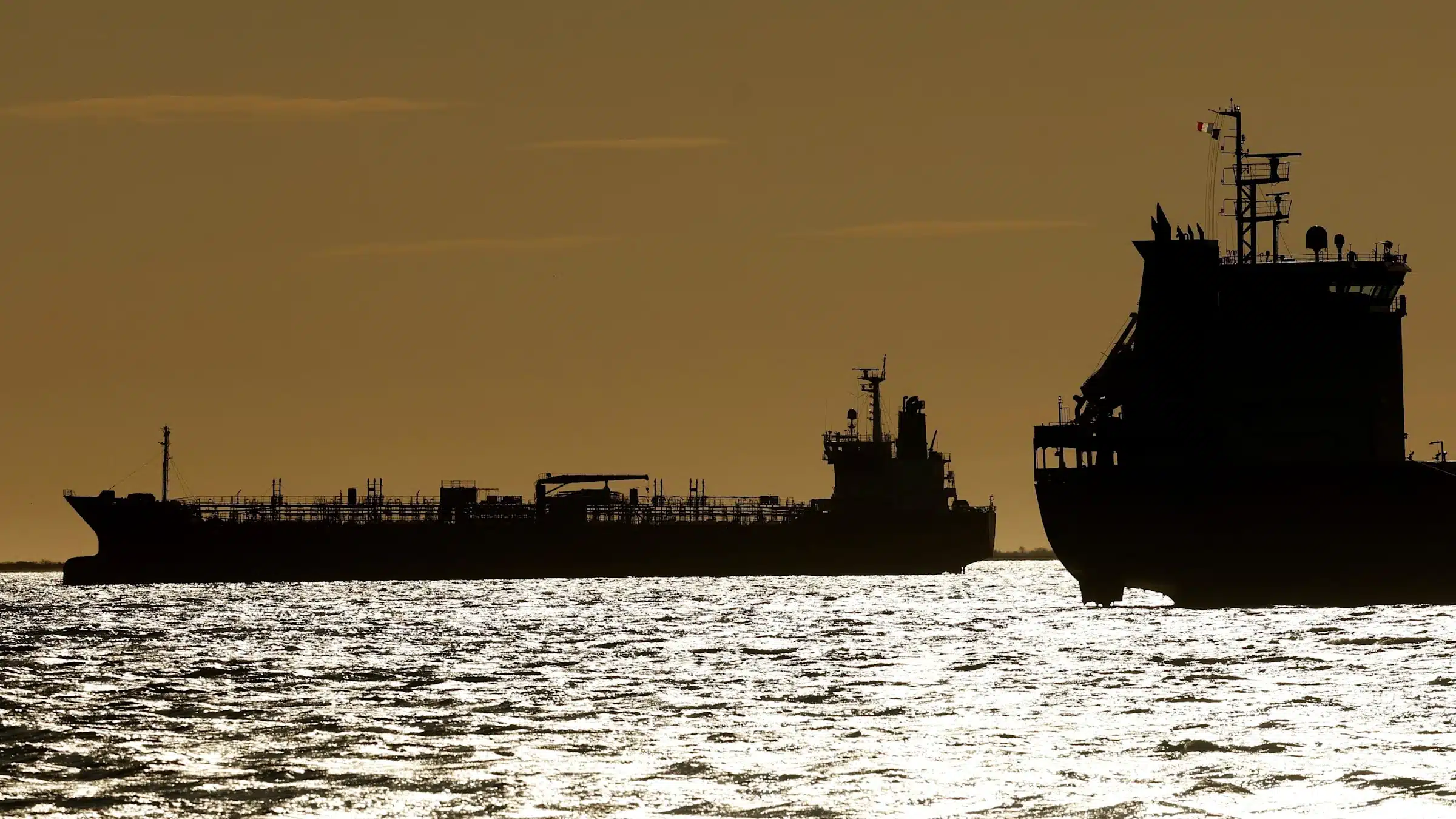
The Trump administration is contemplating the removal of sanctions on approximately 140 million barrels of Iranian oil currently stranded on tankers. This potential move aims to alleviate soaring global crude prices, which have surged due to ongoing conflicts in the Gulf region that are disrupting energy infrastructure and shipping routes. U.S. Treasury Secretary Scott Bessent indicated that the decision could be made within days, as the administration seeks to stabilize the oil market amid rising prices.
Emergency Measures to Address Rising Oil Prices
The U.S. government believes that releasing the stranded Iranian oil could help lower prices in the coming days. Brent crude has remained above $100 per barrel for much of the past two weeks, prompting concerns about the impact on global markets. Bessent noted that the closure of the Strait of Hormuz has created a significant supply deficit, estimated at 10 to 14 million barrels per day. He emphasized that the administration’s focus is on increasing physical oil supply rather than intervening in financial markets. This strategy aims to provide immediate relief to consumers and businesses affected by high energy costs.
Bessent clarified that the U.S. would not engage in trading oil futures but would instead concentrate on enhancing actual supply. The potential release of Iranian oil is part of a broader strategy to manage energy security risks during this turbulent period. The administration’s approach reflects a commitment to addressing the immediate challenges posed by the ongoing conflict and its effects on global energy markets.
Strategic Petroleum Reserve Considerations
In addition to the possible easing of sanctions on Iranian oil, the U.S. administration is also considering another release from the Strategic Petroleum Reserve (SPR). Bessent mentioned that a unilateral SPR release could complement last week’s coordinated effort by the G7, which involved the release of 400 million barrels. This coordinated release was described as the largest in history, demonstrating the urgency of the situation.
Bessent drew parallels between the current situation and a recent decision to allow the sale of sanctioned Russian oil that was also stranded on tankers. This action added approximately 130 million barrels to global supplies, showcasing the administration’s willingness to take decisive measures to address supply shortages. The potential release of Iranian oil, combined with SPR actions, underscores the administration’s commitment to stabilizing energy prices amid ongoing geopolitical tensions.
Escalating Conflicts Impacting Energy Infrastructure
The discussions surrounding emergency supply measures come as the Gulf war intensifies, significantly affecting critical energy assets. Recent attacks have led to sharp increases in oil and gas prices, with Brent crude rising nearly 10 percent to $118 a barrel. European natural gas prices have also surged by as much as 30 percent due to escalating tensions in the region.
Reports indicate that Iranian attacks have damaged significant gas facilities, including the Ras Laffan terminal, the world’s largest liquefied natural gas facility. Additionally, drone strikes have targeted state-owned refineries in Kuwait, and incidents involving missile debris have occurred at major Saudi and UAE facilities. These developments have heightened fears of a prolonged supply crunch, further complicating the energy landscape.
International Collaboration and Military Context
Bessent has urged U.S. allies to take a more active role in securing shipping lanes through the Strait of Hormuz, emphasizing the importance of international cooperation in ensuring safe passage for vessels. He highlighted the upcoming meeting between President Trump and Japanese Prime Minister Sanae Takaichi, where discussions will focus on Japan’s potential naval contributions to safeguarding these critical routes.
The energy crisis is unfolding against the backdrop of an expanding military campaign, with U.S. Defense Secretary Pete Hegseth reporting significant strikes against Iranian military assets. The ongoing conflict has raised concerns among European leaders, with French President Emmanuel Macron warning that the destruction of energy infrastructure could have long-lasting economic repercussions. As the situation evolves, the administration remains poised to implement further measures to address the challenges posed by rising energy prices and geopolitical instability.
Observer Voice is the one stop site for National, International news, Sports, Editor’s Choice, Art/culture contents, Quotes and much more. We also cover historical contents. Historical contents includes World History, Indian History, and what happened today. The website also covers Entertainment across the India and World.
Follow Us on Twitter, Instagram, Facebook, & LinkedIn

