

Union Budget 2026: Anticipation Grows for Middle-Class Tax Relief on February 1

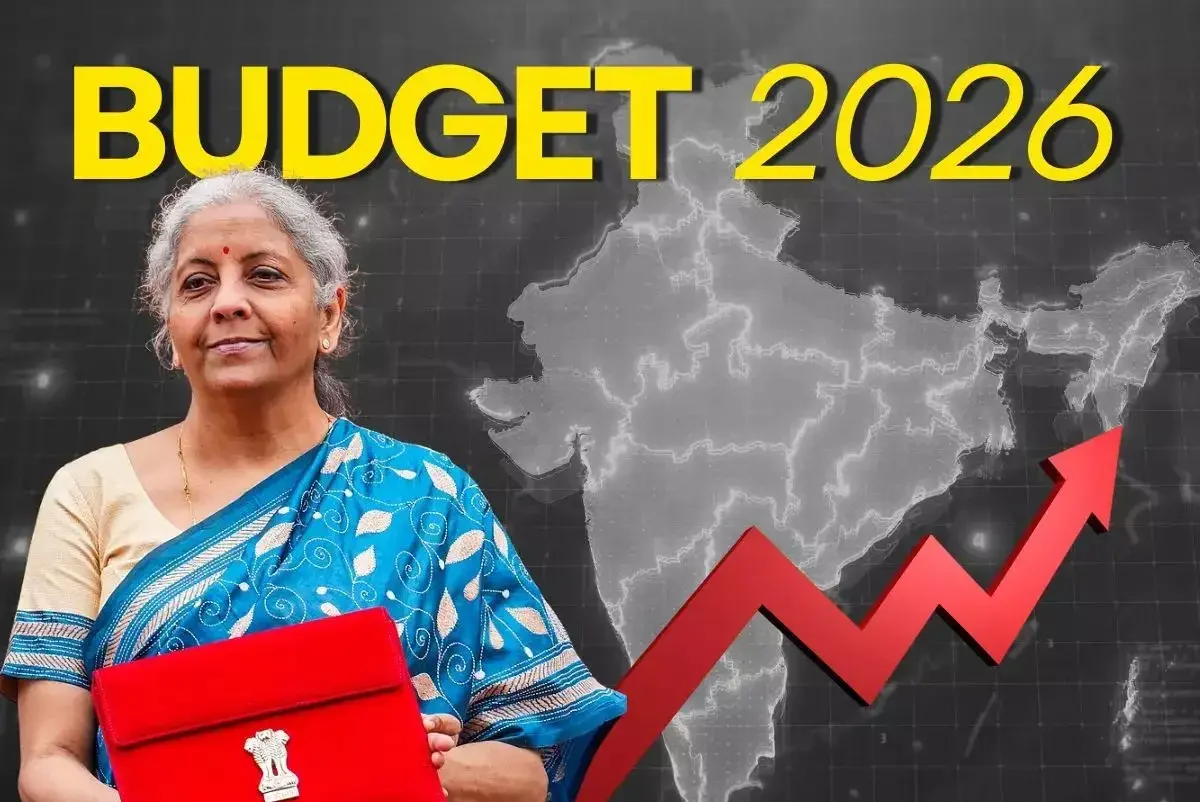
Each year, taxpayers eagerly await the Union Budget, hoping for news of reduced tax burdens. Finance Minister Nirmala Sitharaman is set to present the Union Budget on February 1, marking her ninth budget presentation. This year, attention will focus on potential changes to tax slabs and rates, particularly in light of the ongoing popularity of the new income tax regime introduced in 2020. As taxpayers weigh their options between the old and new regimes, the implications of any adjustments could significantly impact their financial planning.
Rationale Behind the New Tax Regime
The introduction of the new income tax regime in 2020 was aimed at simplifying tax compliance for individuals. During her budget speech, FM Nirmala Sitharaman highlighted the complexities of the existing Income Tax Act, which was burdened with numerous exemptions and deductions. She noted that this complexity made it challenging for taxpayers to navigate the law without professional assistance. The new regime was designed to offer lower tax rates in exchange for the forfeiture of certain deductions and exemptions, thereby providing significant relief to individual taxpayers.
Under the new regime, the tax slabs were restructured to make compliance easier and more straightforward. For instance, individuals earning up to Rs 5 lakh annually are exempt from paying taxes, a benefit that is also available under the old regime. However, the new regime introduced a 30% tax slab for incomes exceeding Rs 15 lakh, compared to Rs 10 lakh under the old system. This shift aimed to reduce the overall tax burden for many taxpayers, particularly those who do not claim numerous deductions.
Changes Over the Years
Since its inception, the new income tax regime has undergone several modifications to enhance its appeal. In the Union Budget of 2023, the government made notable adjustments to the tax slabs. The tax exemption limit was raised to Rs 3 lakh, and a standard deduction benefit of Rs 50,000 was introduced. Additionally, the rebate limit under Section 87A was increased to Rs 7 lakh, allowing individuals earning up to this amount to pay no tax. This change marked a significant improvement from the previous limit of Rs 5 lakh under the old regime.
Moreover, the highest surcharge rate was reduced from 37% to 25%, effectively lowering the maximum tax rate from 42.74% to 39%. The new income tax regime was also designated as the default option for taxpayers, encouraging a shift away from the old system. In the interim budget for 2024, the standard deduction was further increased to Rs 75,000, making the new regime even more attractive for taxpayers.
Tax-Free Income Thresholds
The recent budget changes have made the new income tax regime particularly appealing, especially for middle-class taxpayers. FM Sitharaman announced that individuals with an income of up to Rs 12 lakh would not have to pay any income tax under the new regime. This increase in the tax-free threshold reflects the government’s commitment to supporting the middle class. For salaried individuals, the tax-free limit extends to Rs 12.75 lakh due to the standard deduction.
The adjustments to the tax slabs mean that the 30% tax rate now applies to incomes above Rs 24 lakh, a significant increase from the previous threshold of Rs 15 lakh. This shift is expected to benefit a large number of taxpayers, making the new regime a more attractive option for those seeking to minimize their tax liabilities.
Comparative Tax Benefits
As the new income tax regime continues to evolve, many taxpayers are evaluating the benefits compared to the old system. Over the past five years, the tax outgo for various income levels has decreased significantly under the new regime. For instance, an individual earning Rs 10 lakh would see their tax liability drop from Rs 78,000 in FY21 to zero by FY26 under the new regime, while the old regime remains unchanged at Rs 75,400.
Similarly, for those earning Rs 20 lakh, the tax outgo has reduced from Rs 366,600 in FY21 to Rs 192,400 in FY26 under the new regime. At the higher income level of Rs 40 lakh, the tax burden has decreased from Rs 990,600 to Rs 787,800 over the same period. These figures illustrate the growing advantages of the new tax regime, prompting many taxpayers to consider making the switch.
Tax experts anticipate that the trend towards the new income tax regime will continue, especially with the introduction of the Rs 12 lakh zero tax threshold. However, they also suggest that the government may need to reintroduce certain deductions and exemptions to further incentivize savings and housing investments.
Observer Voice is the one stop site for National, International news, Sports, Editor’s Choice, Art/culture contents, Quotes and much more. We also cover historical contents. Historical contents includes World History, Indian History, and what happened today. The website also covers Entertainment across the India and World.

