

Understanding Trump’s New 10% Global Tariffs Effective February 24

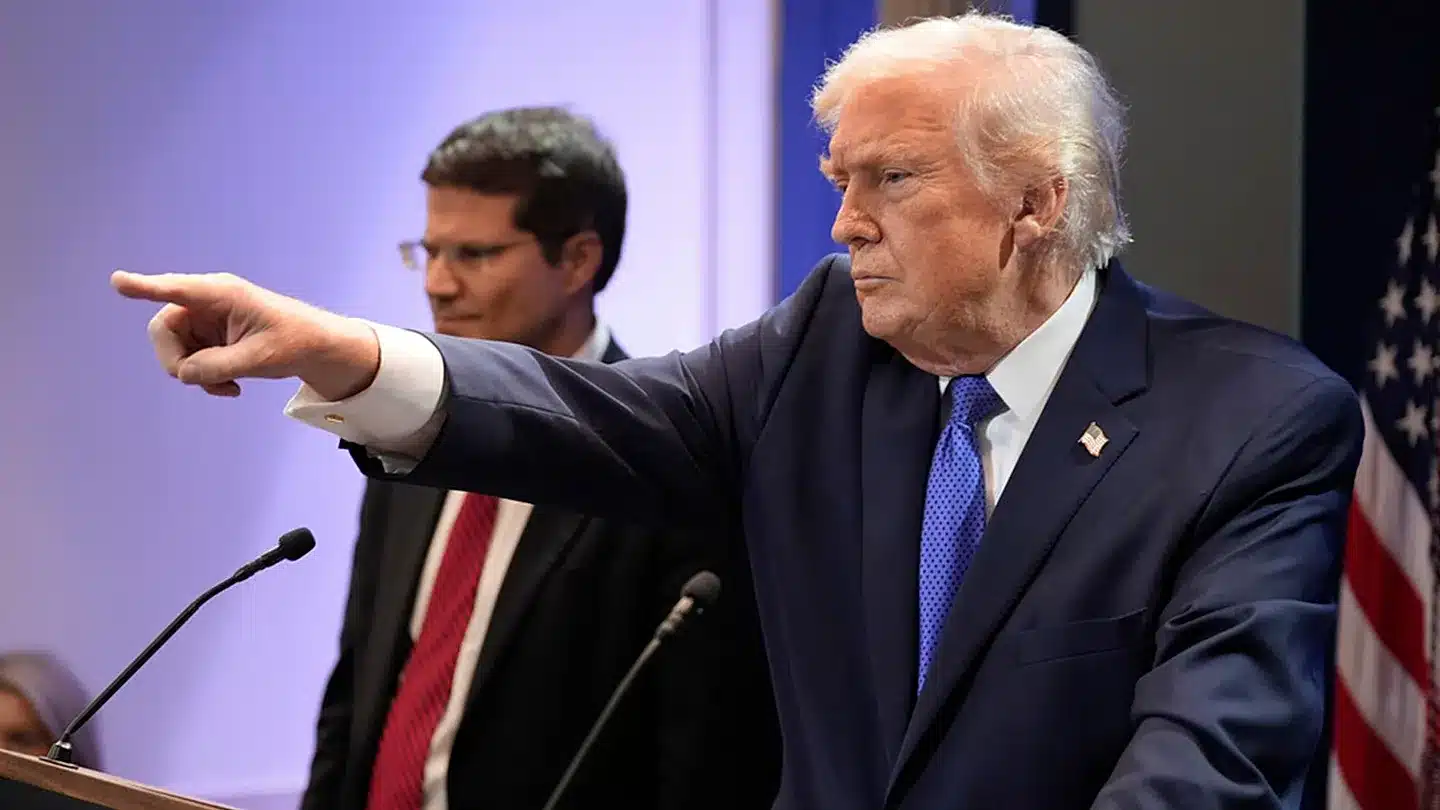
US President Donald Trump has announced a significant economic measure by signing a proclamation that imposes a 10% temporary import surcharge on most goods entering the United States. This decision follows a Supreme Court ruling that deemed previous tariffs on various countries as “illegal.” The new surcharge, which will take effect at 12:01 AM EST on February 24, is set to last for 150 days unless Congress decides to extend it. The administration cites urgent balance-of-payments issues as the primary reason for this action.
Reasons Behind the Global Tariffs
The Trump administration has pointed to a troubling balance-of-payments deficit as the driving force behind the newly announced tariffs. Officials have highlighted several alarming statistics, including a projected $1.2 trillion goods trade deficit for 2024, which is expected to remain consistent into 2025. Additionally, the current account deficit is anticipated to reach 4% of GDP in 2024, marking the highest level since 2008. The administration also noted a negative balance on primary income for the first time since at least 1960 and a net international investment position that stands at approximately –89% of GDP, one of the most negative figures among developed nations.
According to the White House, these persistent deficits pose significant risks to the U.S. economy. Officials have warned that ongoing deficits could erode investor confidence, increase reliance on foreign production for essential goods, and jeopardize both economic stability and national security. By imposing temporary import restrictions, the administration aims to curb the outflow of U.S. dollars to foreign producers, stimulate domestic manufacturing, and restore balance in the trade position. This measure is seen as a way to bolster American industries and enhance economic resilience.
Details of the Proclamation
Under the authority granted by Section 122 of the Trade Act of 1974, President Trump has outlined specific measures in the proclamation. The 10% ad valorem import duty will apply to most goods entering the U.S. and is limited to a duration of 150 days unless Congress opts to extend it. The surcharge is classified as a regular customs duty and will necessitate modifications to the Harmonized Tariff Schedule of the United States (HTSUS). Importantly, this new surcharge will be applied in addition to existing duties, except in cases where Section 232 tariffs are already in effect.
The administration has emphasized that this action is not merely a protective measure for specific industries but rather a broader strategy to address significant economic imbalances. The legal framework for this decision is rooted in the Trade Act, which allows for temporary import restrictions to tackle serious balance-of-payments issues.
Exemptions and Legal Framework
The proclamation includes several exemptions based on economic necessity and national interest. Notable exemptions encompass critical minerals, metals used in currency, energy products, fertilizers, and certain agricultural goods such as beef and tomatoes. Pharmaceuticals, select electronics, passenger vehicles, and aerospace products are also exempted. Additionally, goods compliant with existing trade agreements, such as the US-Mexico-Canada Agreement (USMCA), will not be subject to the new surcharge.
The legal basis for this action is grounded in Section 122 of the Trade Act of 1974, which permits the President to impose temporary import restrictions of up to 15% for a maximum of 150 days to address serious balance-of-payments problems. The administration has also invoked Section 604 of the same law to modify the tariff schedule and implement the new duty. This action is part of a broader strategy to stabilize the U.S. international payments position.
Future Implications and Monitoring
The newly imposed surcharge is set to remain in effect until July 24, 2026, unless Congress decides to extend it, the President suspends or modifies it, or significant changes in economic conditions occur. The U.S. Trade Representative has been tasked with monitoring developments related to this measure and will recommend further actions if necessary.
This move reflects the Trump administration’s ongoing reliance on tariffs as a tool for reshaping trade relationships. Despite facing legal challenges regarding tariff authorities, officials remain committed to using a combination of tariffs and negotiated agreements to address trade imbalances. The administration believes that previous tariff actions have successfully brought major trading partners to the negotiating table, impacting over half of global GDP.
Observer Voice is the one stop site for National, International news, Sports, Editor’s Choice, Art/culture contents, Quotes and much more. We also cover historical contents. Historical contents includes World History, Indian History, and what happened today. The website also covers Entertainment across the India and World.
Follow Us on Twitter, Instagram, Facebook, & LinkedIn

