

Understanding India’s LPG Crisis Amid US-Iran Tensions: A Chart-Based Analysis

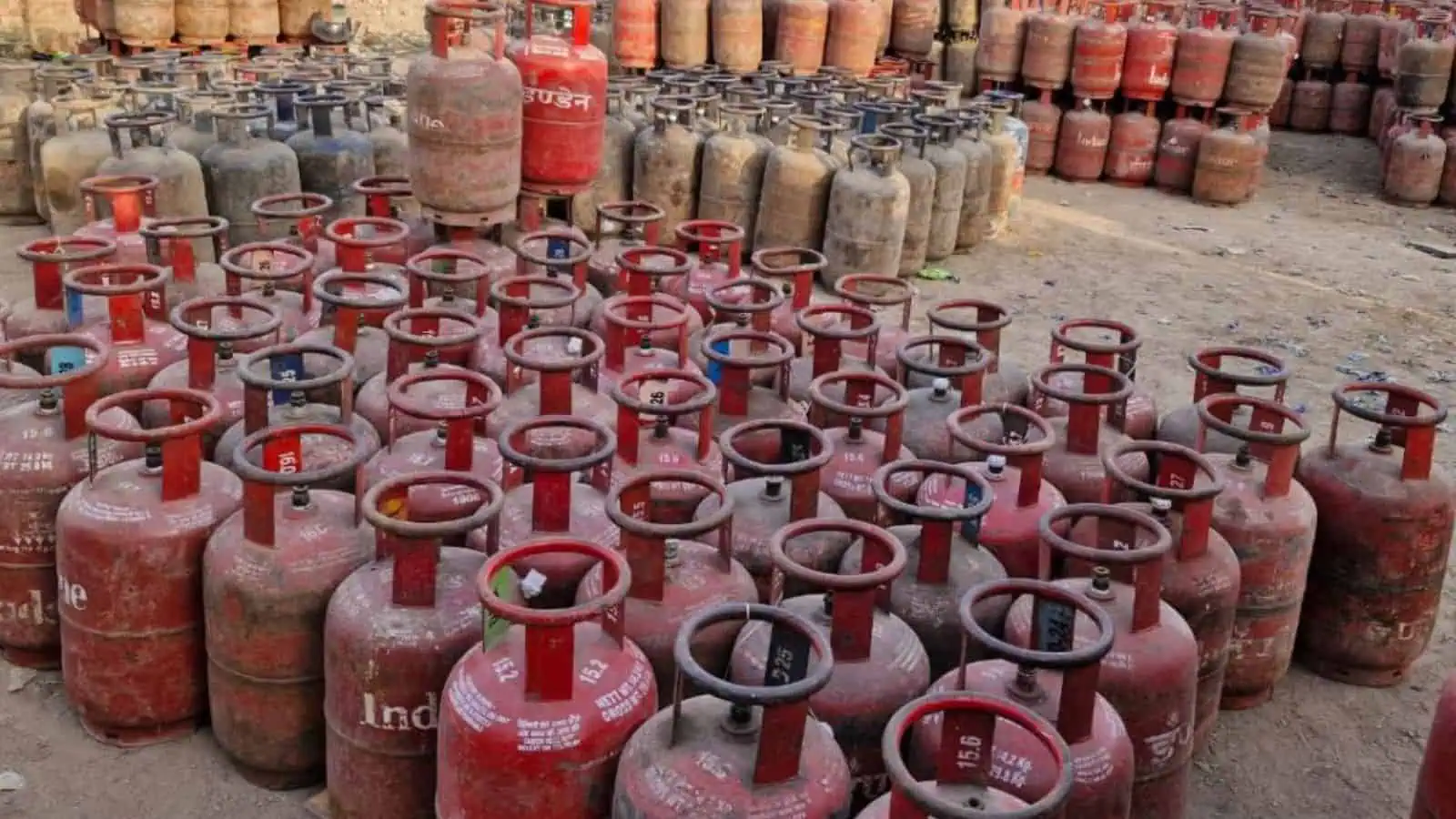
India is grappling with a severe Liquefied Petroleum Gas (LPG) crisis, the worst in decades, as ongoing conflicts in the Middle East disrupt global energy supply chains. The situation has led to rising prices, reduced imports, and a government decision to prioritize household LPG supply over commercial use. Panic buying has ensued, resulting in long queues at gas distribution centers and heightened anxiety among consumers across various states.
Queues, Panic, and Disruption
In major cities like Delhi, Mumbai, and Chennai, residents are facing significant challenges in securing LPG refills. Long lines have formed outside distribution centers, with women, the elderly, and working professionals waiting for hours to obtain their cylinders. The shortage has prompted widespread panic buying, with many consumers attempting to book cylinders through mobile apps and websites, only to encounter technical issues and system crashes. As a result, individuals are increasingly resorting to in-person visits to gas agencies.
The crisis has severely impacted small businesses, particularly restaurants and food vendors that rely heavily on LPG. Many establishments have temporarily closed due to depleted gas supplies. In response to the shortage, households are turning to alternative cooking methods, such as induction cookers, to mitigate the impact of the LPG crisis. Despite government assurances that domestic LPG supplies remain adequate, the disruptions in commercial cylinder distribution have left many consumers feeling anxious and uncertain.
Origins of the Crisis
The current LPG crisis can be traced back to military actions in the Middle East, particularly the U.S. and Israeli strikes on Iran in early March 2026. These events escalated tensions and led to tighter control over the Strait of Hormuz, a critical shipping route for global energy supplies. India, which relies heavily on LPG imports from the Middle East, has felt the immediate effects of these disruptions. Approximately 60-65% of India’s LPG demand is met through imports, with the majority used for household cooking.
In the previous year, India consumed around 31.3 million metric tonnes of LPG, highlighting the country’s significant dependence on foreign sources. The crisis has exposed vulnerabilities in India’s energy supply chain, as disruptions in the Strait of Hormuz directly impact the availability of LPG for Indian consumers.
Shipping Disruptions and Rising Costs
The ongoing conflict has led to increased risks for vessels navigating the Strait of Hormuz, resulting in a sharp decline in tanker traffic and a surge in freight rates. Maritime insurers have reacted by withdrawing war-risk coverage or significantly raising premiums, making shipments economically unfeasible for many operators. Consequently, fewer ships are willing to transport LPG from Gulf producers, leading to delays and increased costs.
In the first two weeks of the crisis, India’s weekly LPG inflows dropped significantly, with imports falling from 322,000 tonnes to 265,000 tonnes. Supplies from the Middle East reached their lowest levels since January 2026, exacerbating the situation. While alternative sources of LPG are being sought, they often come with longer delivery times and higher costs, further straining the supply chain.
Government Response and Future Implications
In light of the crisis, the Indian government has implemented measures to stabilize LPG supply and minimize disruptions. Refineries have been instructed to maximize production, and the government has prioritized household consumption under the Essential Commodities Act. Allocations for commercial use have been restricted, with a focus on essential sectors such as hospitals and educational institutions.
The government is also working to recover stranded shipments, with several Indian-flagged vessels currently in the Persian Gulf. Officials have assured the public that there is no shortage of LPG for households, emphasizing that refineries are operating at high capacity. However, the situation remains precarious, and experts warn that prolonged conflict in the Middle East could have broader economic implications, affecting multiple sectors across Asia.
As the crisis unfolds, it highlights India’s heavy reliance on LPG imports and the vulnerabilities inherent in its energy supply chain. The government is also exploring alternatives, such as promoting piped natural gas (PNG) to reduce dependence on LPG. However, the limited infrastructure for PNG means that immediate relief may be challenging. With tensions in the Middle East continuing, the coming days will be crucial for India as it seeks to stabilize LPG supplies and address the needs of its citizens.
Observer Voice is the one stop site for National, International news, Sports, Editor’s Choice, Art/culture contents, Quotes and much more. We also cover historical contents. Historical contents includes World History, Indian History, and what happened today. The website also covers Entertainment across the India and World.

